



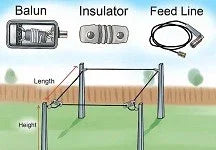











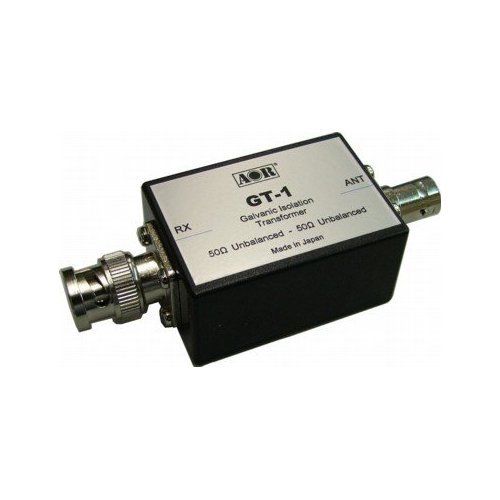


















If you're ready to push the limits of your long-distance communications (DXing), there's one component you can't ignore: the balun. Many amateur radio operators consider it a simple accessory, but it's the real secret to a clean signal, an efficient antenna, and an interference-free transmission experience.
In this article, we won't just explain the importance of the balun, but we'll guide you in building different models, showing you how a small investment of time and materials can lead to extraordinary results. All necessary components are available at Hamradioshop.
What it is and why you need it
The term Balun is short for BALanced to UNbalanced. Its main purpose is twofold:
-
Impedance Matching: The balun transforms the impedance of your coaxial cable (typically 50 ohms) to match the antenna's impedance, which can vary significantly depending on the type and frequency. This ensures that maximum RF power is transferred to the antenna, reducing losses and Standing Wave Ratio (SWR).
-
Common Mode Current Suppression: This is the most critical function. A balun prevents RF currents from flowing along the outer sheath of the coaxial cable. Without a balun, the cable itself would act as part of the antenna, distorting the radiation pattern, lowering efficiency, and, even worse, radiating signal into your station, causing annoying interference (RFI) to your electronic devices.
Choosing the Right Balun: Models and Applications
There are two main categories of baluns, differentiated by their function:
-
Voltage Baluns: Maintain an equal and opposite voltage between the two arms of the antenna. They work well, but their effectiveness decreases if the antenna's impedance varies.
-
Current Baluns: Force an equal and opposite current to flow in the two arms of the antenna. They are generally considered more performant, as they more effectively suppress common mode currents over a wide frequency band.
Depending on the antenna you intend to use, the balun's transformation ratio is crucial.
-
1:1 Balun: The most common, ideal for classic half-wave dipole antennas with an impedance close to 50-75 ohms.
-
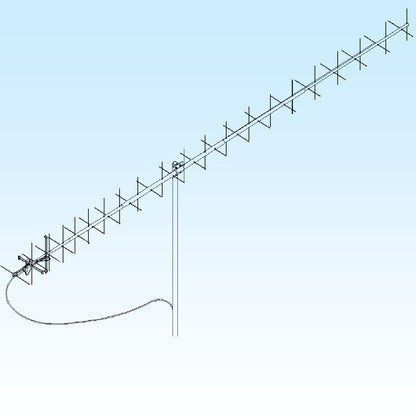
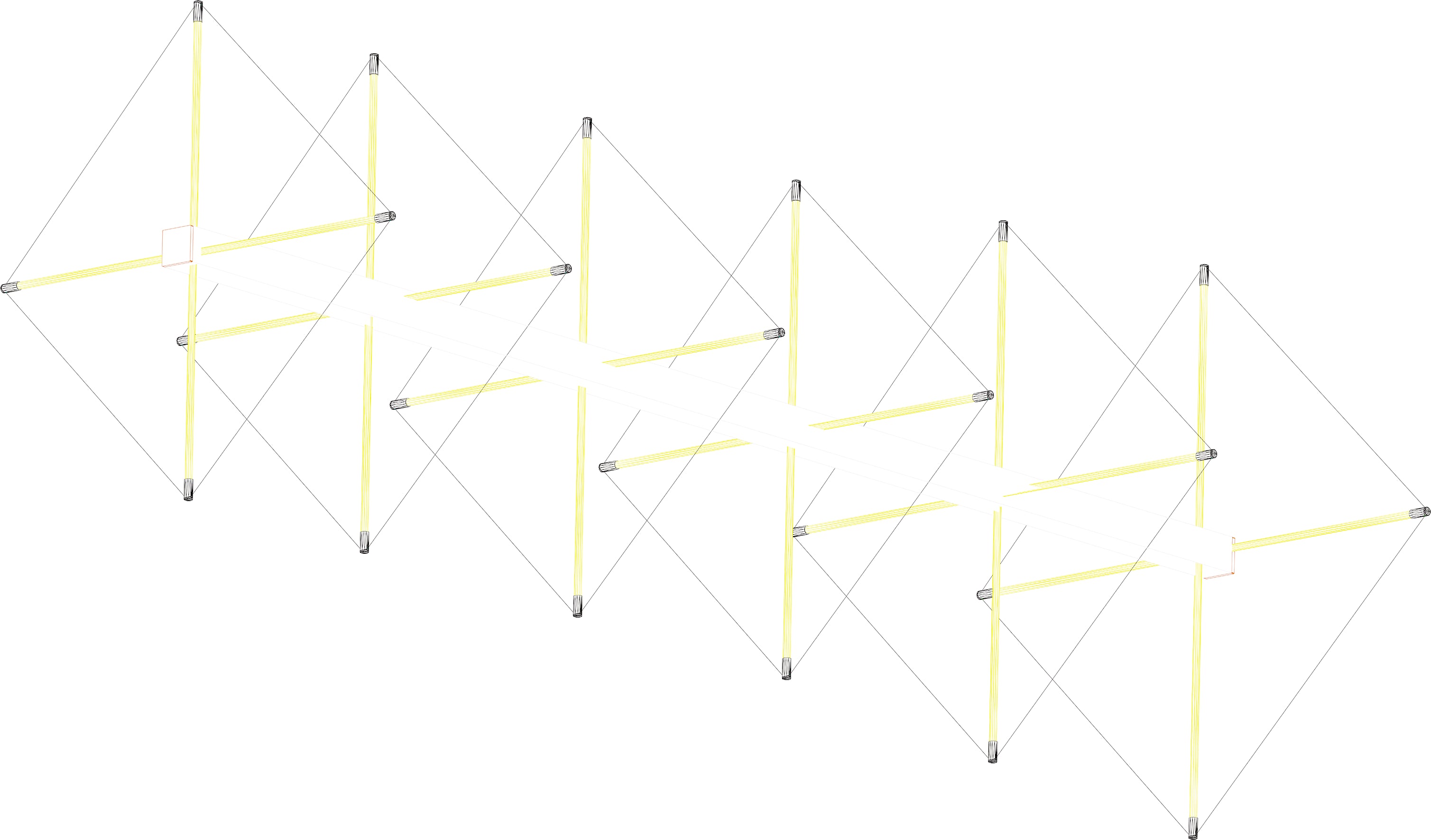
4:1 Balun: Used to match higher impedance antennas, such as a folded dipole, an inverted V, or a wideband Yagi.
-
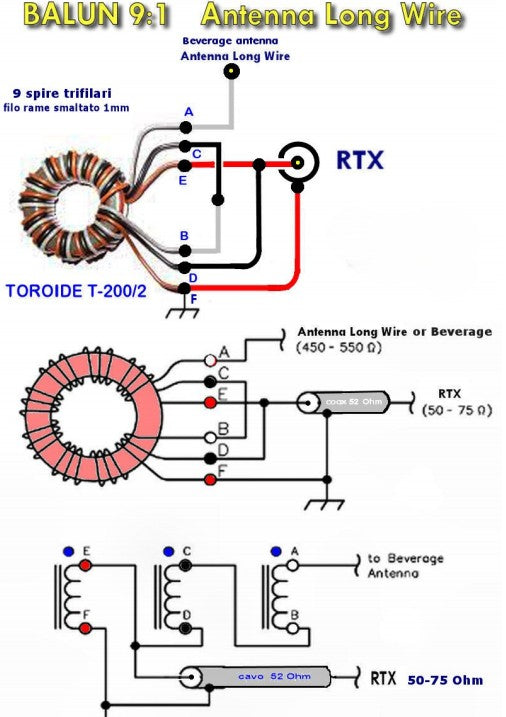
9:1 Balun: The perfect choice for long-wire or T-antennas, where the impedance is very high.
Building Guide: Three Projects for Your Station
Here's how you can build your baluns, with materials available in our shop.
1. 1:1 Current Balun for 50Ω Dipole
Materials:
-
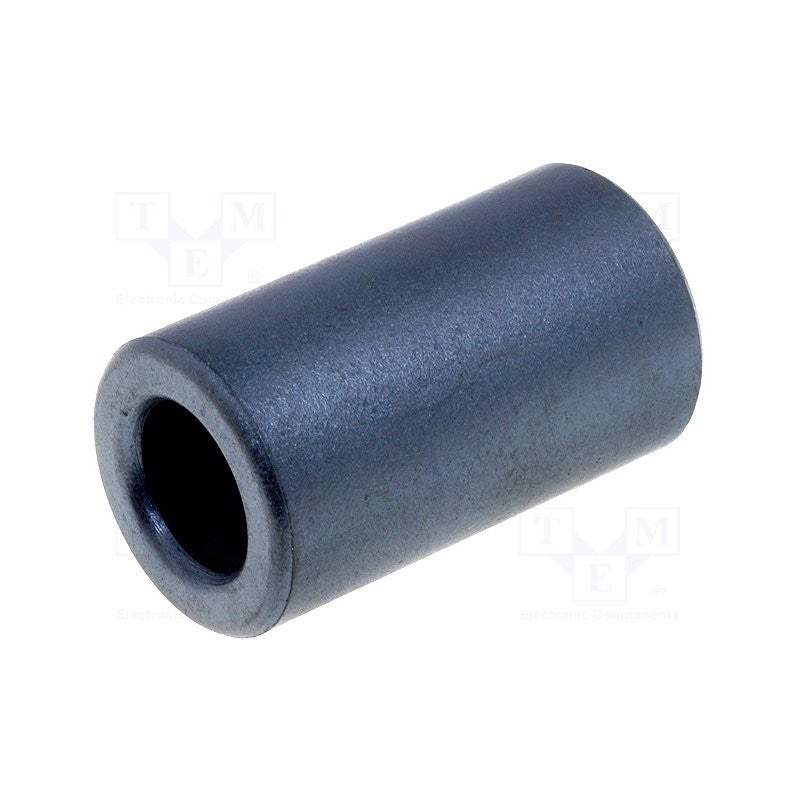
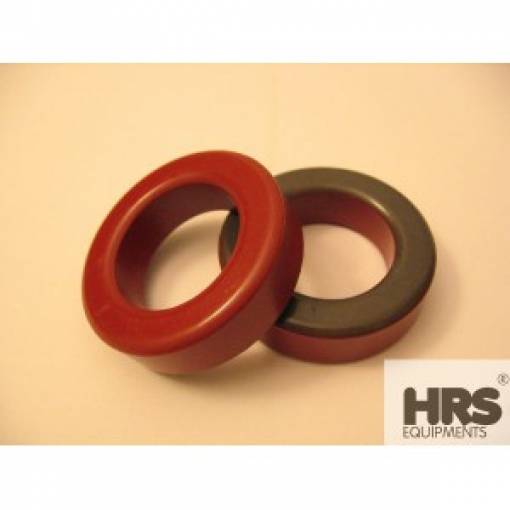
A ferrite core type FT-240-43 for high power (up to 1.5 kW) or FT-140-43 for standard power (up to 100W). You can find these and other high-quality cores in this section of our website.
-
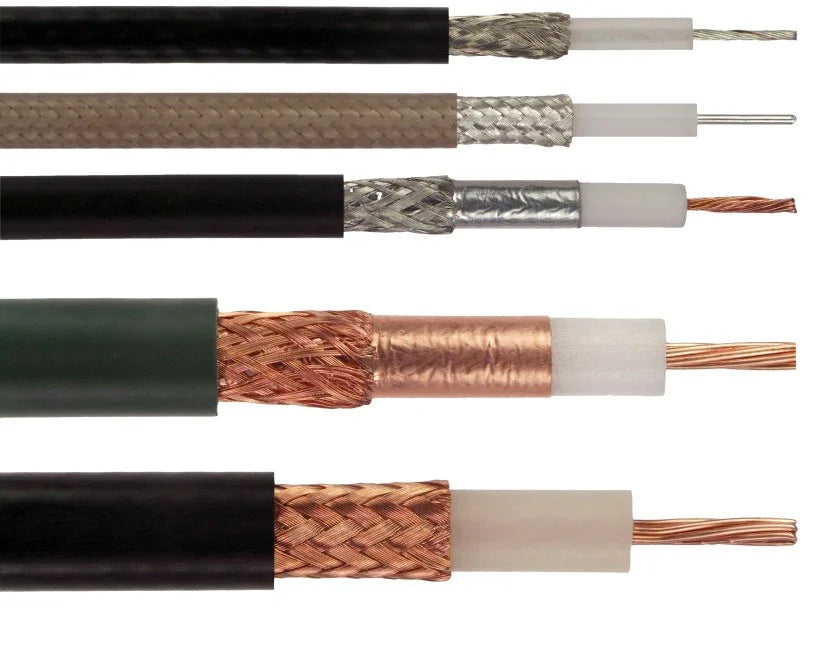
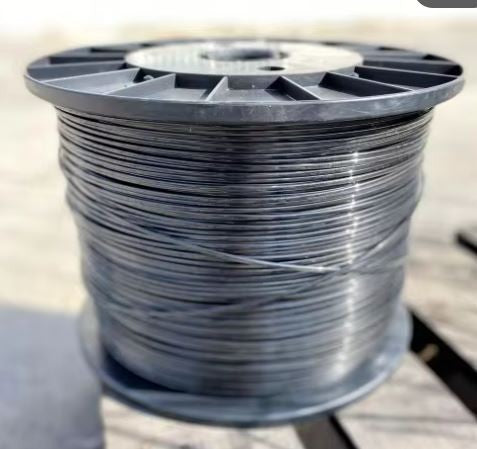
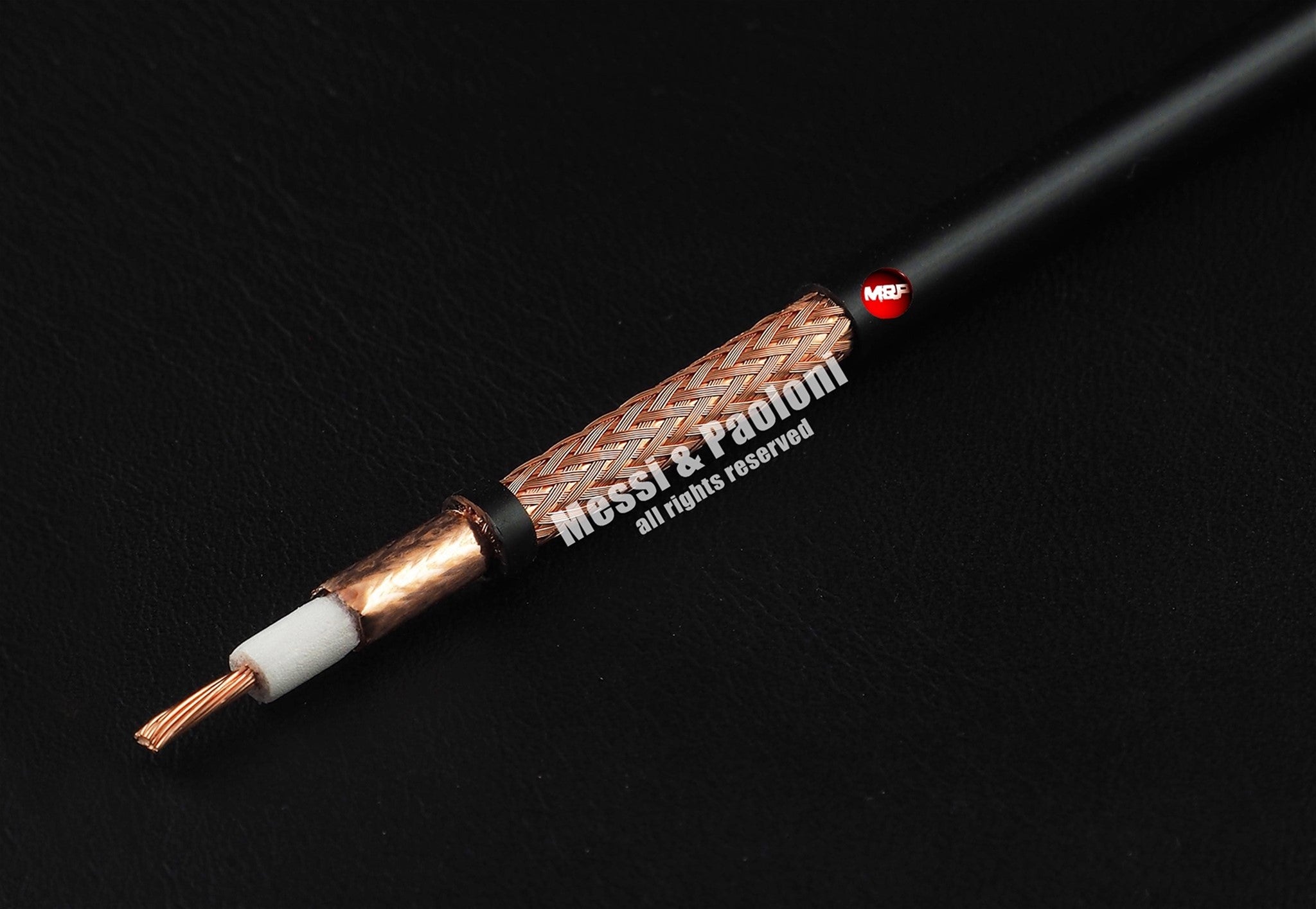
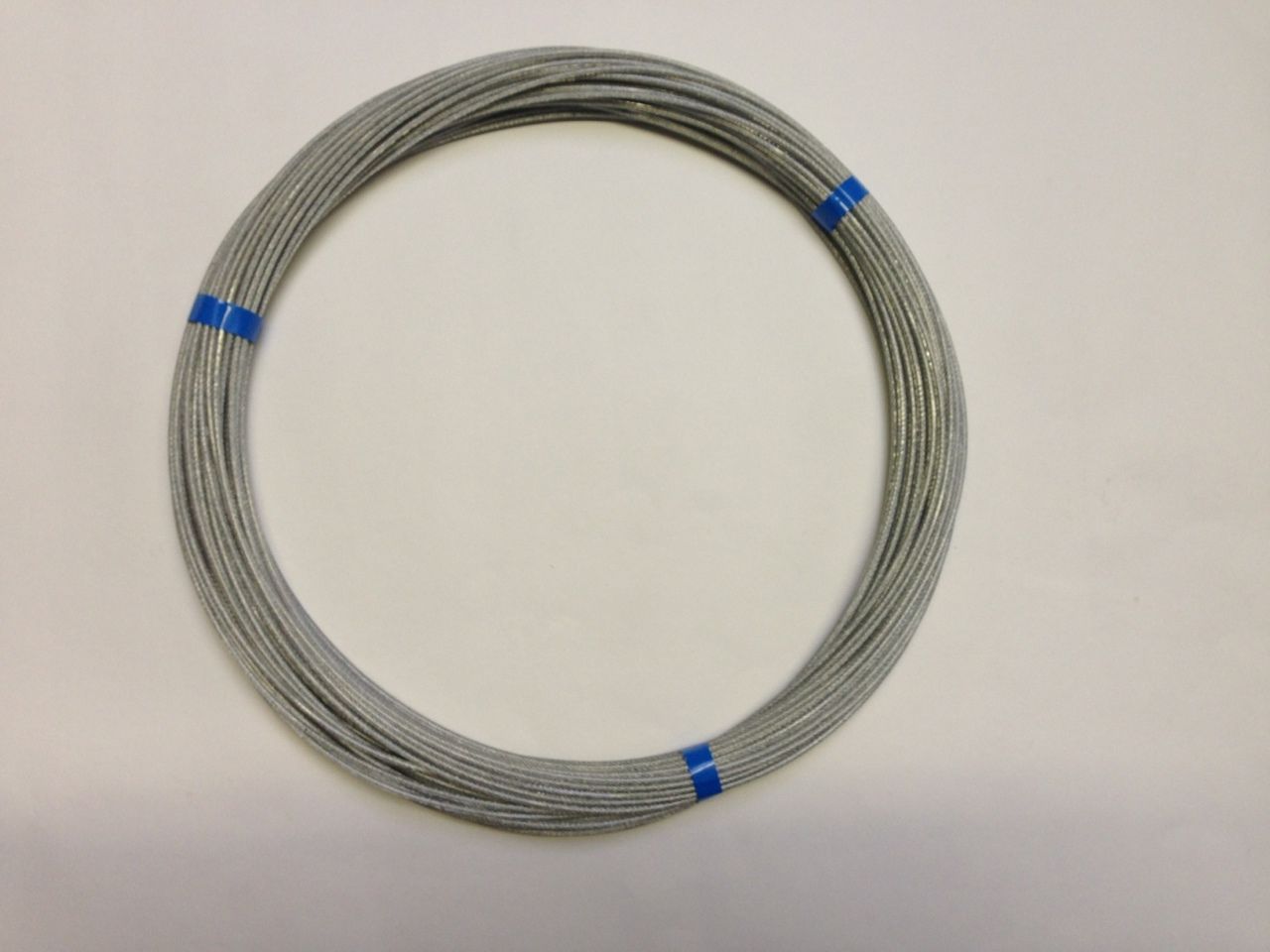
Enameled or insulated copper wire. Find the suitable wire on this page.
-
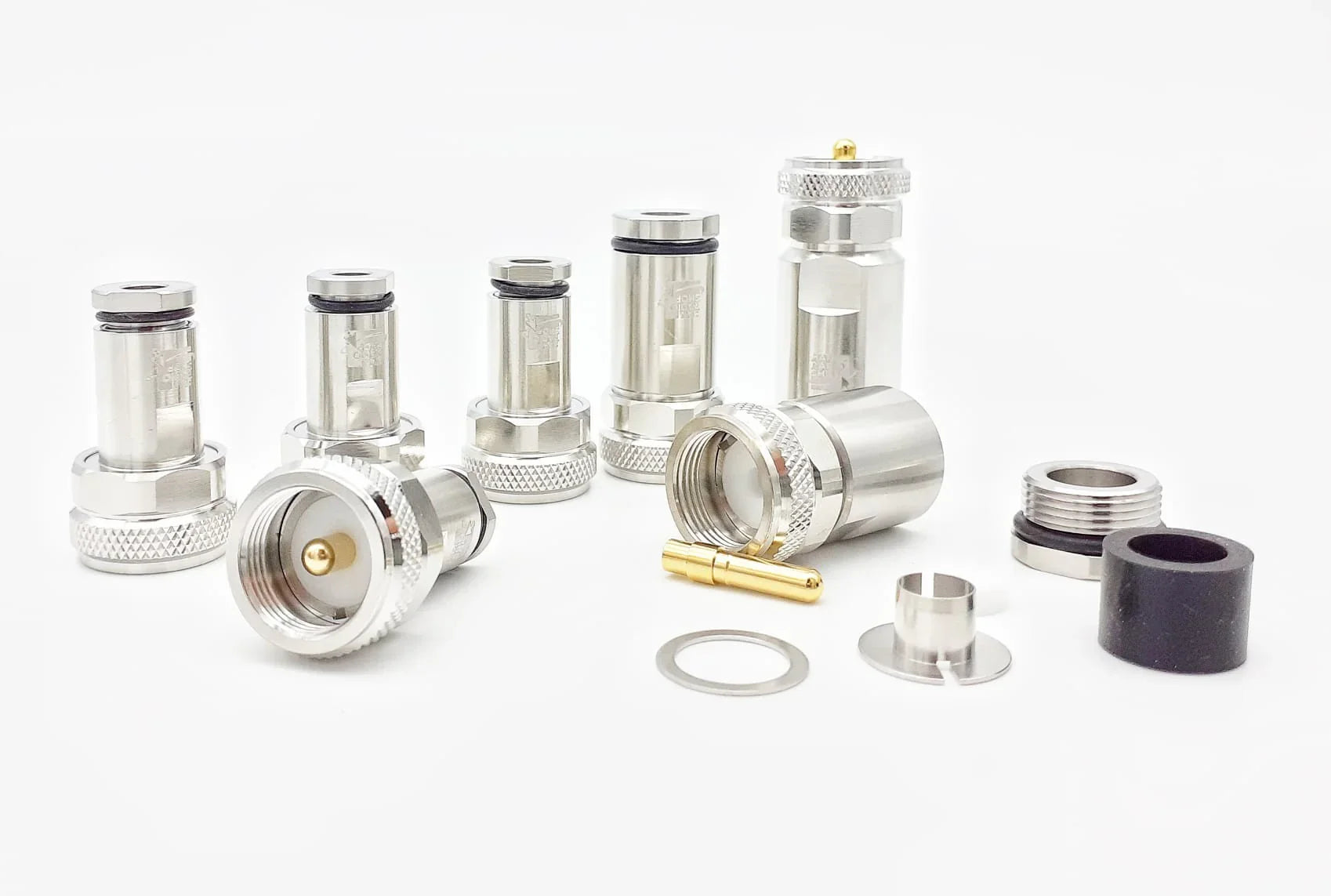
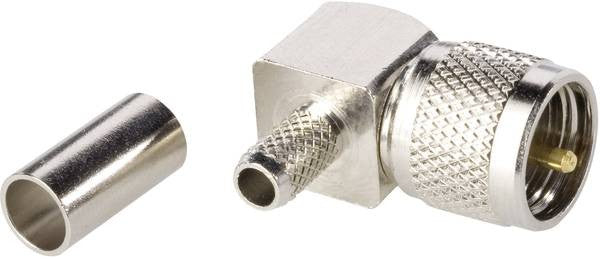
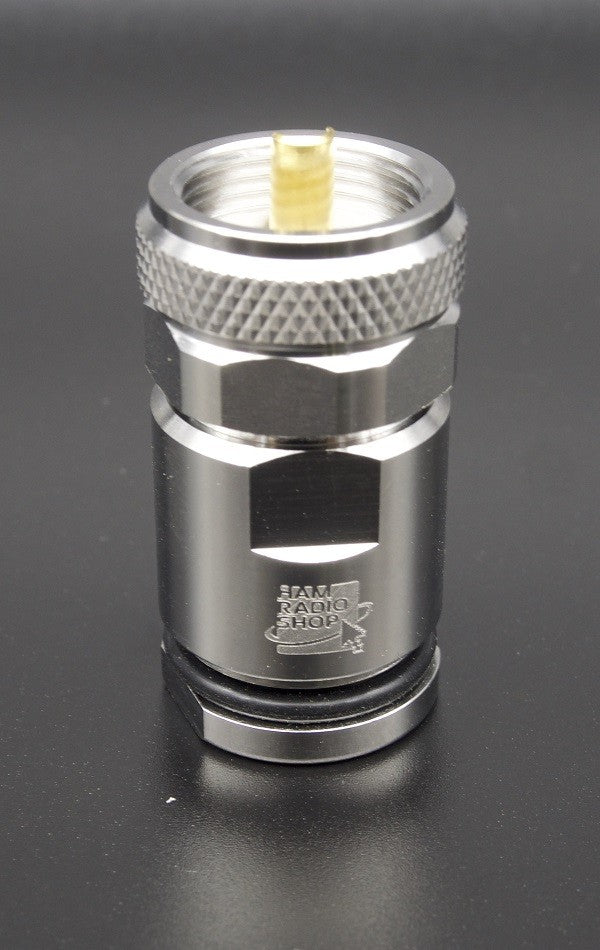
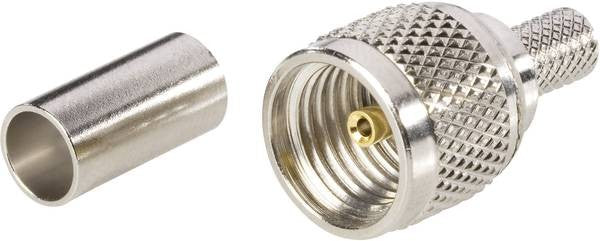
Connectors (SO-239, terminal screws). Discover our professional SO-239 connectors and other accessories.
-
Waterproof outdoor box. Find a durable enclosure in this section of the website.
Construction:
Wind 12 bifilar turns on the toroidal core. This means you will wind two wires parallel to each other as if they were one. Connect the start of the first wire to the center pin of the SO-239 connector and the start of the second wire to the ground of the connector. The ends of the two wires will go to the two arms of your dipole.
2. 4:1 Balun for Folded Dipole
Materials:
-
Ferrite core type FT-240-43.
-
Enameled or insulated copper wire.
-
Connectors and waterproof box.
Construction:
This balun is slightly more complex. It uses a 4-wire parallel winding technique, connected in series to create the 4:1 ratio. The principle remains the same: currents are balanced for each arm of the antenna.
3. 9:1 Balun for Long-Wire Antennas (UnUn)
Materials:
-
Ferrite core type FT-240-43.
-
Enameled or insulated copper wire.
-
Connectors and waterproof box.
Construction:
Often called an UnUn (Unbalanced to Unbalanced), this balun is essential for antennas that are not inherently balanced. Wind 9 turns on the toroid and connect the taps to achieve the desired impedance ratio. The output will be unbalanced to match the single-wire antenna.
Why Shop at Hamradioshop?
Investing in a self-built balun is not only a way to save money but a rewarding experience that allows you to deeply understand your station. At Hamradioshop, you'll find all the high-quality components, carefully selected for every project.
Don't hesitate to contact us for advice or to choose the right materials for your next build. We are here to help you reach new, exciting distances.

