



























The Secret to Communicating Further: Efficient Antennas for Your Ham Radio Station
Are you ready to push the limits of your ham radio station and connect with other operators around the world? Increasing your transmitter's power alone isn't the best solution. The real secret to reliable, clear, long-range communications lies in the most crucial element of your station: the antenna.
In this article, we'll explore why an efficient antenna is key to optimizing your ham radio experience and how you can choose the right one for your needs, even if your space is limited.
Power vs. Efficiency: The True Equation of DXing
Many ham radio operators, especially beginners, think that higher output power (watts) automatically means greater communication distance. While power is important, its impact is often overestimated.
Imagine you have a 100-watt light bulb. If its optics are faulty and it scatters light in all directions, it won't illuminate very far. But if you mount it in a lighthouse with a well-designed parabolic mirror, even with only 50 watts, its beam of light will be concentrated and visible for miles.
The same principle applies to antennas. An antenna's efficiency is not just about its ability to radiate a signal, but also to concentrate it in a specific direction (directivity) and do so with the least possible loss. A well-designed antenna, with high efficiency and good gain, can make the difference between a call lost in the noise and one that reaches another continent.
The Crucial Role of Efficiency
An efficient antenna is a bridge between your transmitter and the airwaves. It converts the electrical energy of your RF signal into electromagnetic waves and, conversely, captures incoming radio waves, converting them into electrical signals. An inefficient antenna, on the other hand, dissipates some of this energy as heat, wasting your transmitter's watts and significantly reducing the effective power that reaches the air.
The main advantages of an efficient antenna:
Maximum radiated power: Every watt from your transmitter is used to its fullest, maximizing your range.
Better reception: An antenna that radiates well also receives well. High efficiency allows you to "hear" weak signals that would otherwise be lost.
-
Noise reduction: Directional antennas, in particular, can reduce unwanted noise and interference coming from specific directions.
Choosing the Right Antenna for You
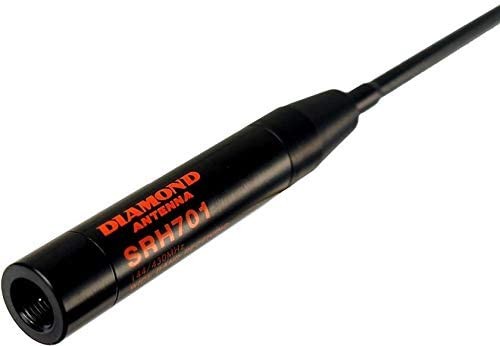
The market offers a wide range of antennas, from simple wire antennas to complex Yagi arrays. The choice depends on several factors, including the frequency bands you want to use, the space available to you, and your budget.
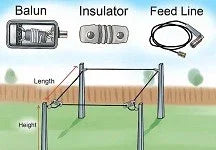
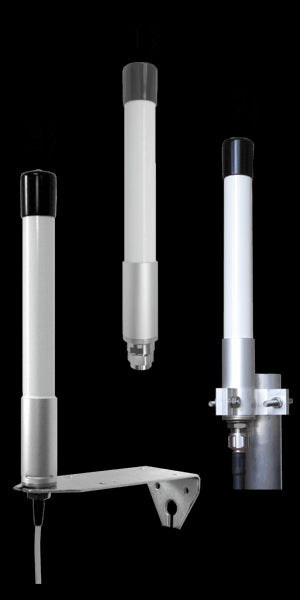
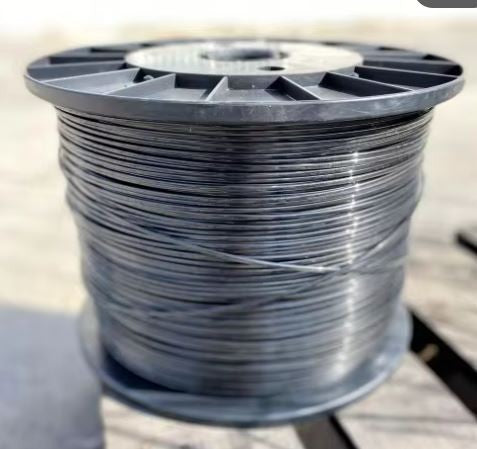
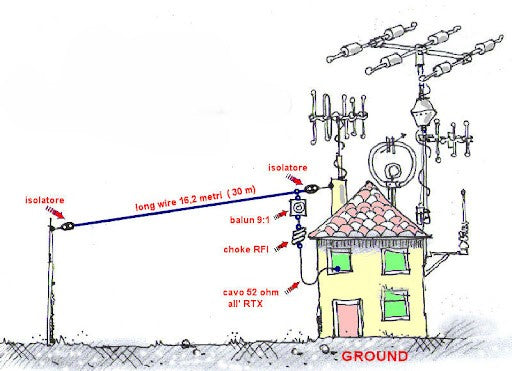
Wire antennas (Dipoles, G5RV, etc.): These are ideal for those with limited space who want a versatile antenna for HF bands. They are relatively inexpensive, easy to install, and offer surprisingly good performance, especially for DXing.
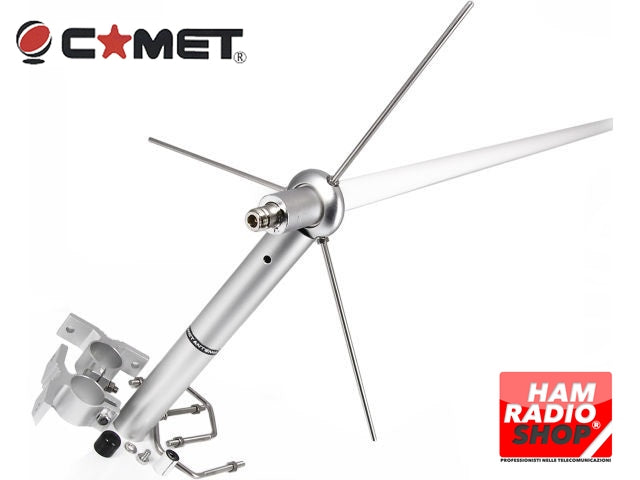
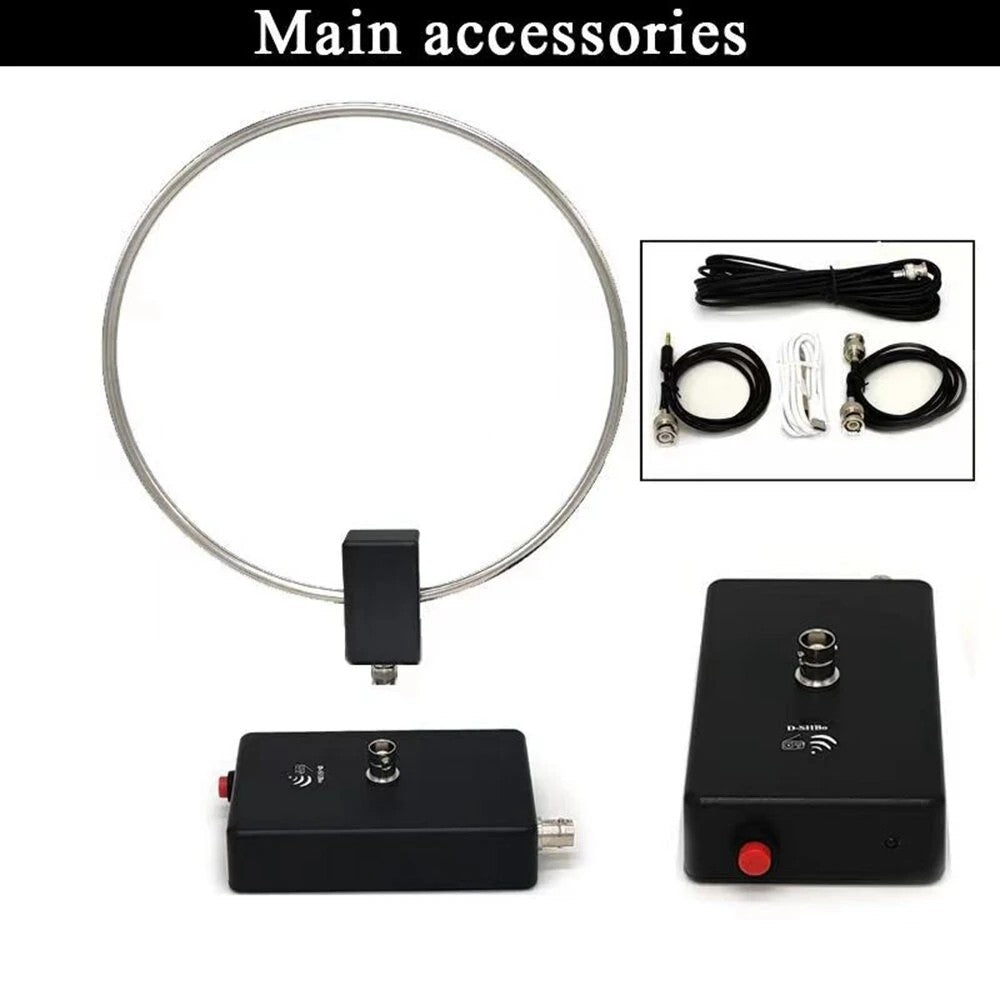
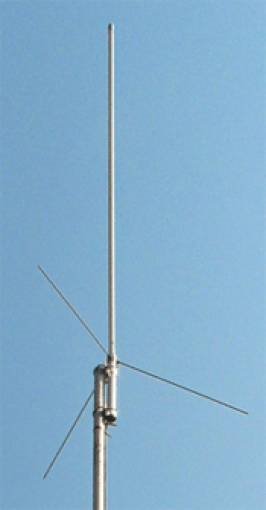
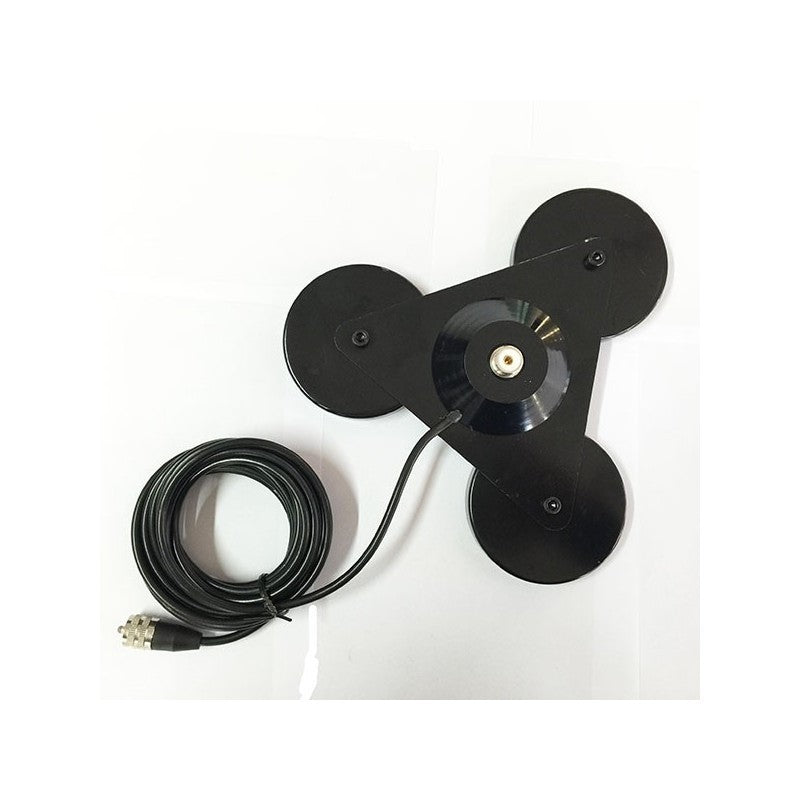
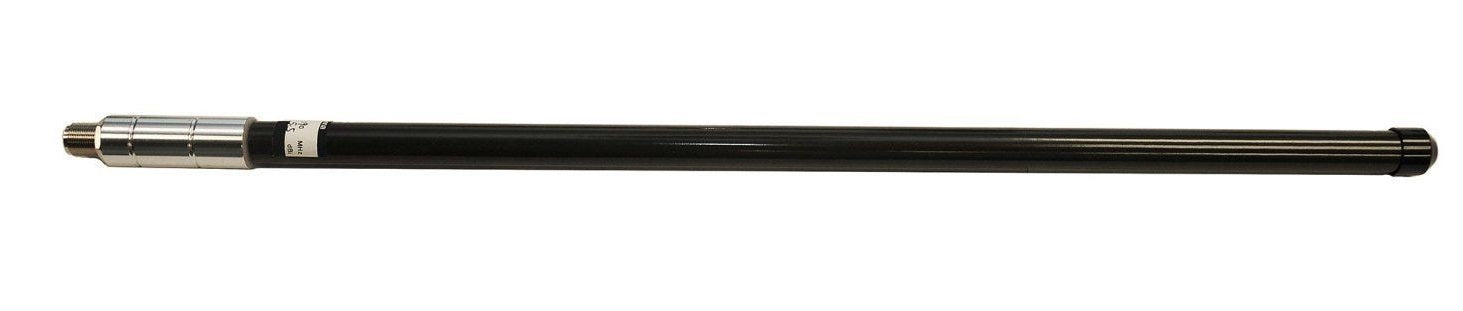
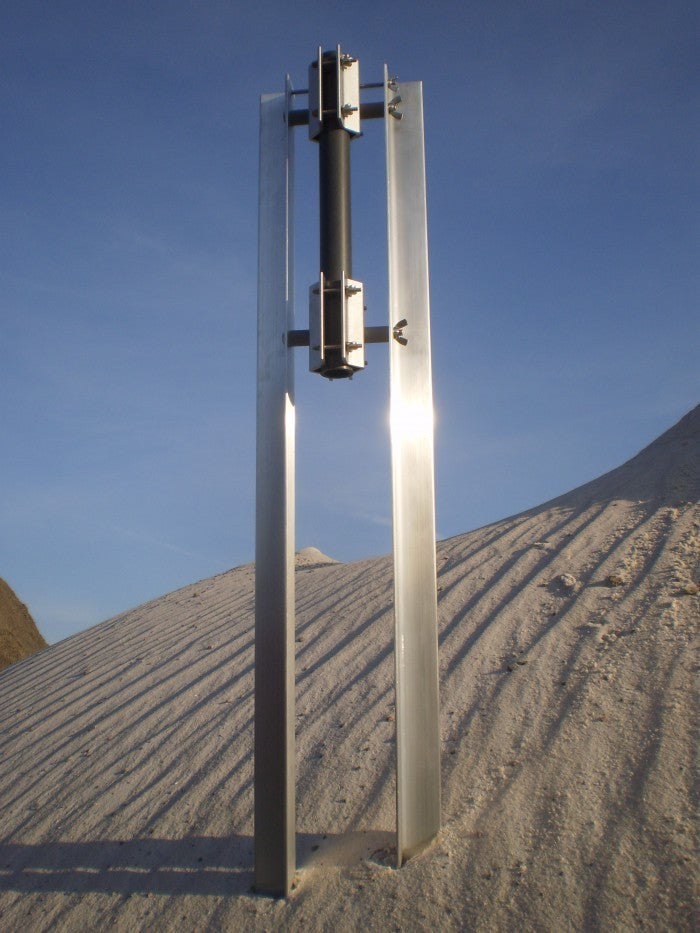
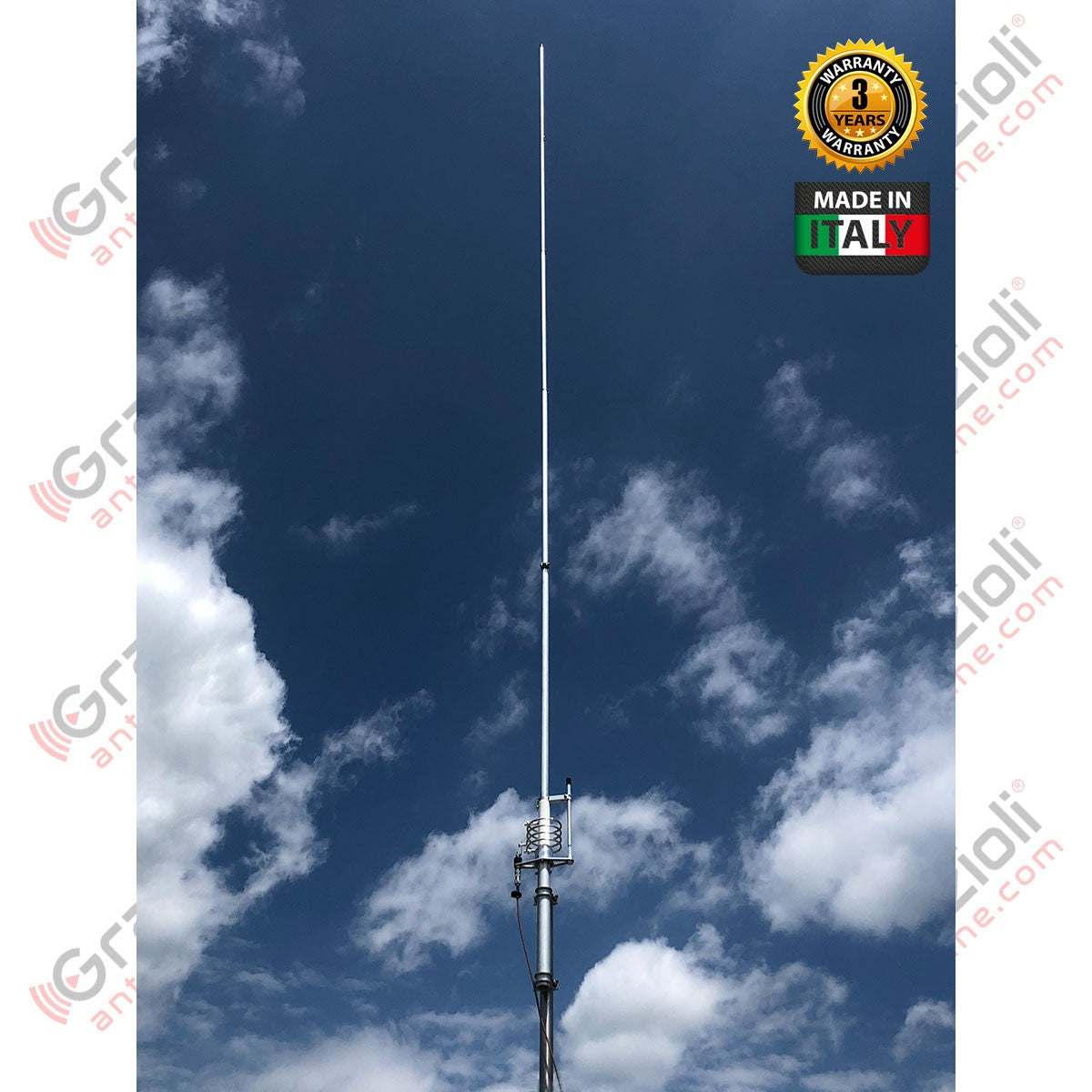
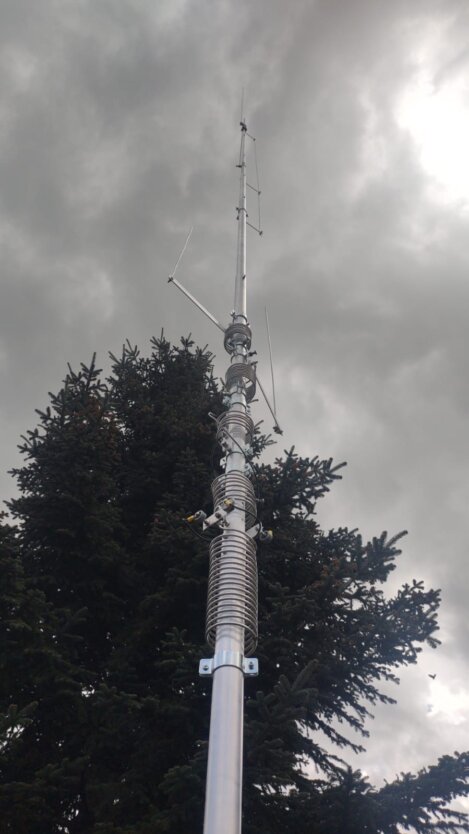
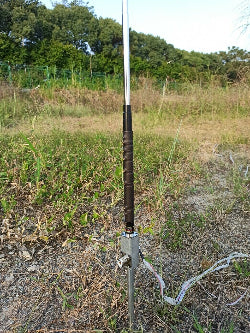
Vertical antennas: They require little ground space and are excellent for omnidirectional communications. They are often the preferred choice for lower bands (80m, 40m) where a directional antenna would be too large.
-
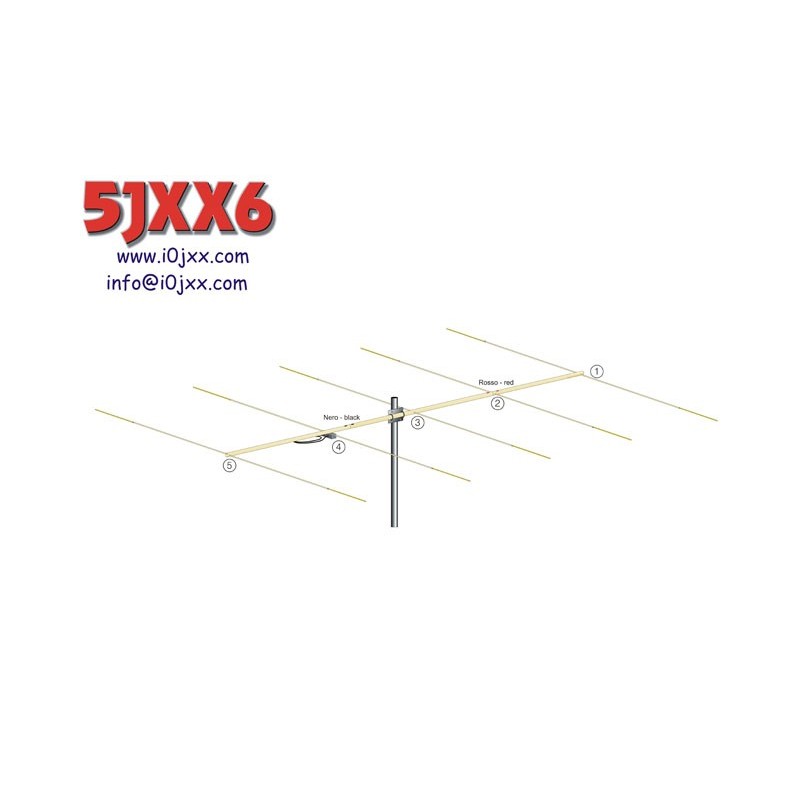
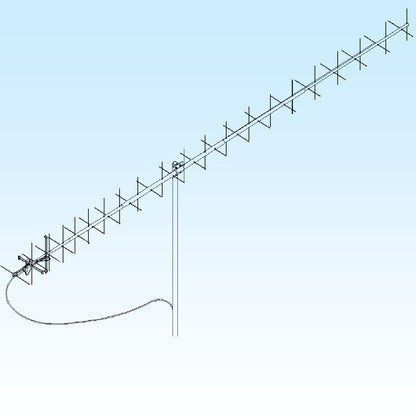
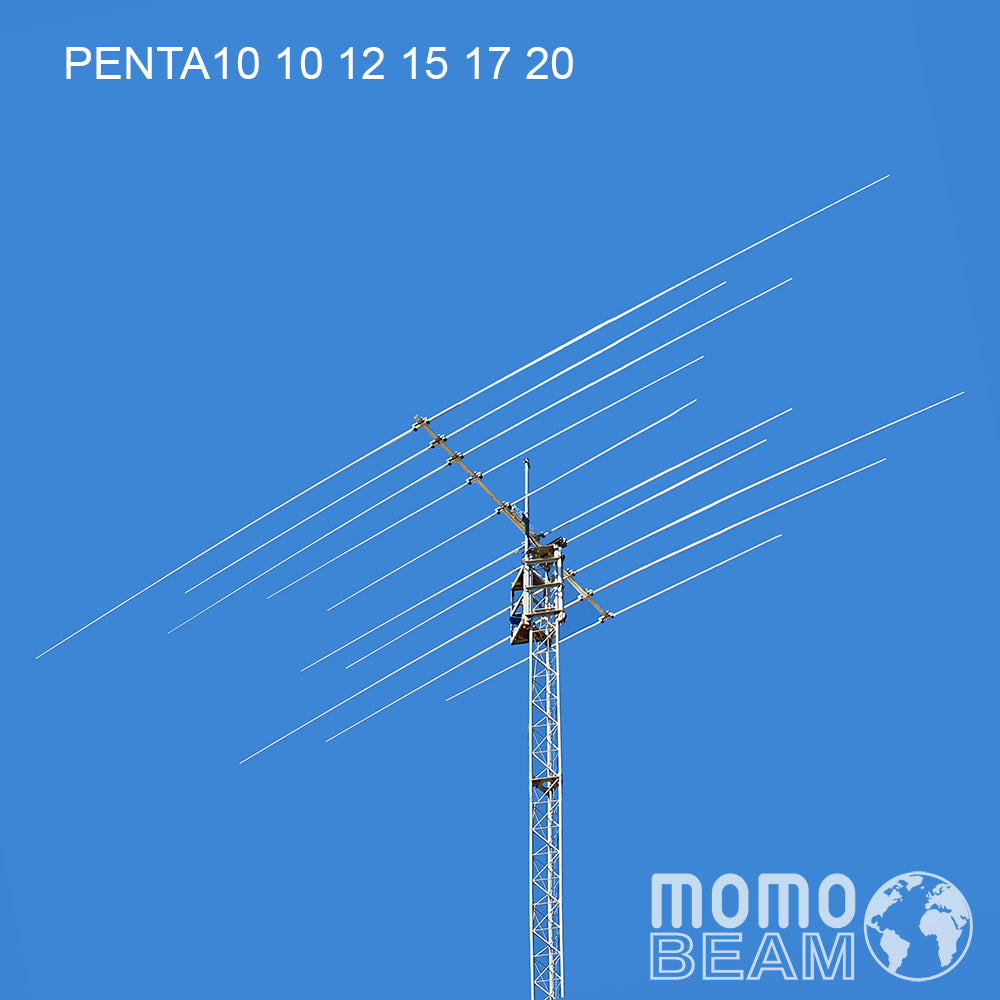
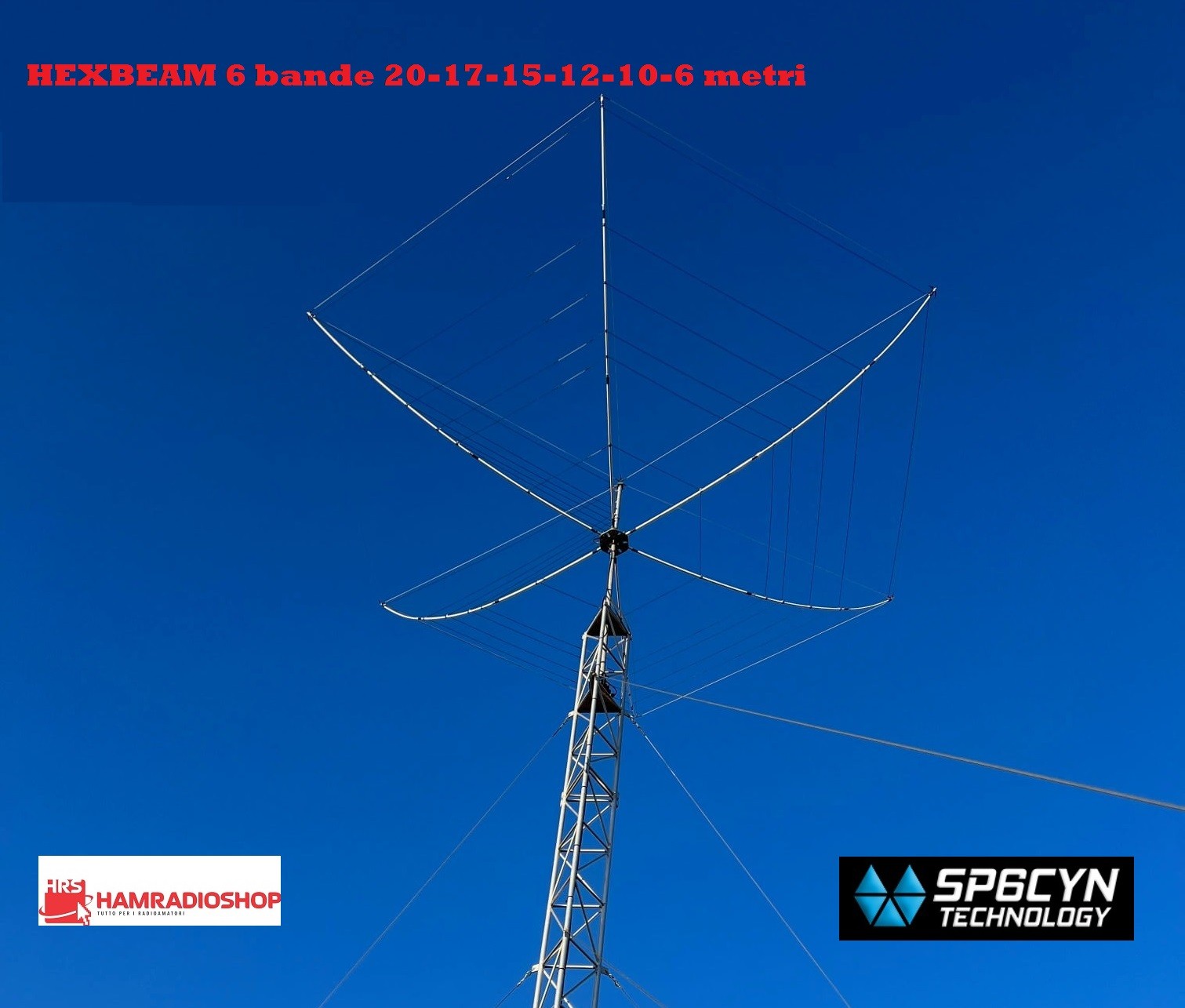
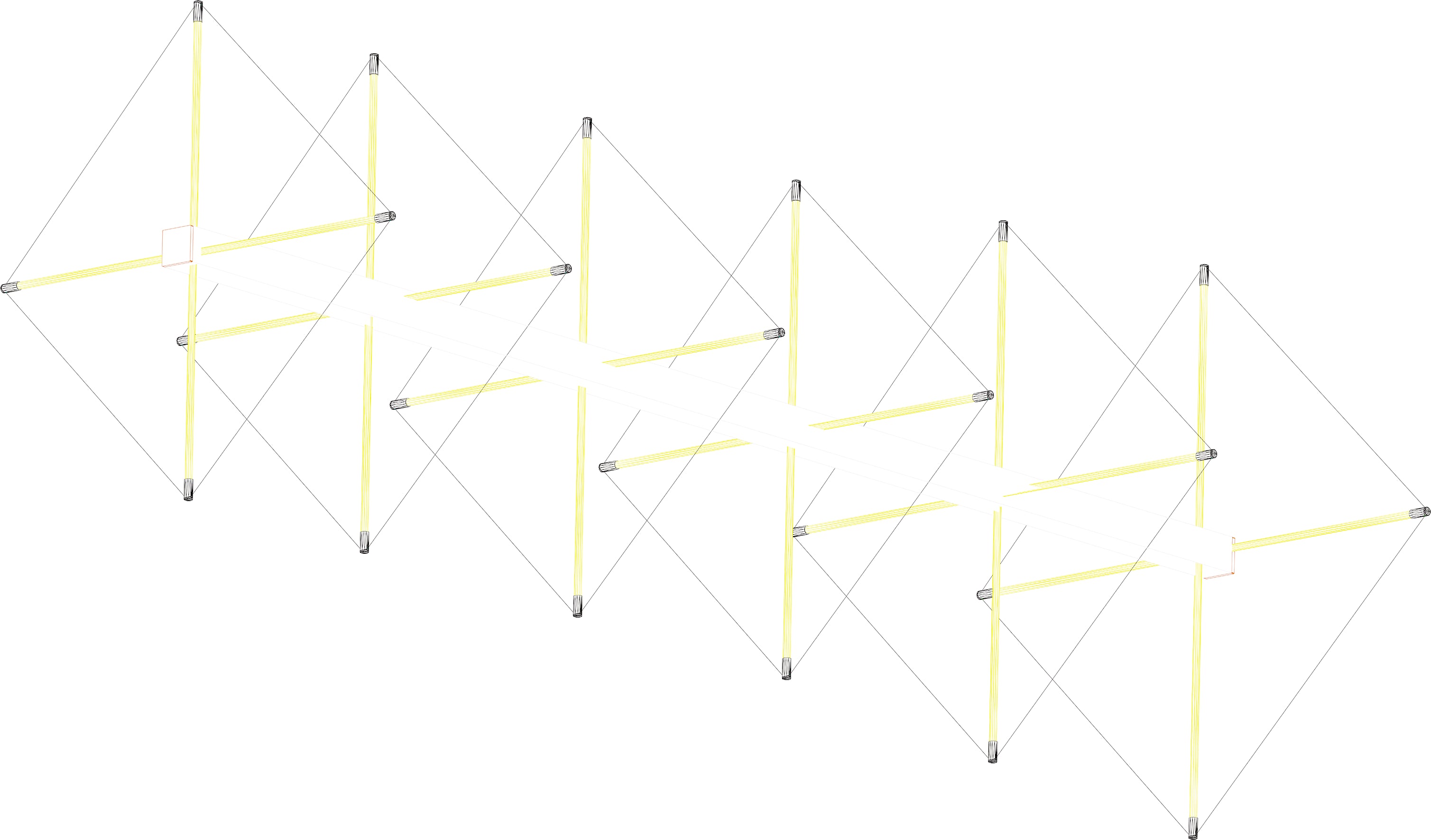
Directional antennas (Yagi, Cubical Quad): If DXing is your priority, a directional antenna is the ultimate choice. Although they require more space and a support structure, their superior gain and directivity will allow you to "cut through" QRM and reach stations anywhere in the world with strong, clear signals.
Practical Tips for Your Installation
Maximum height, minimum clutter: Place your antenna as high as possible. The higher it is, the less interference there will be from the surrounding terrain and the wider the radiation angle, improving your signal.
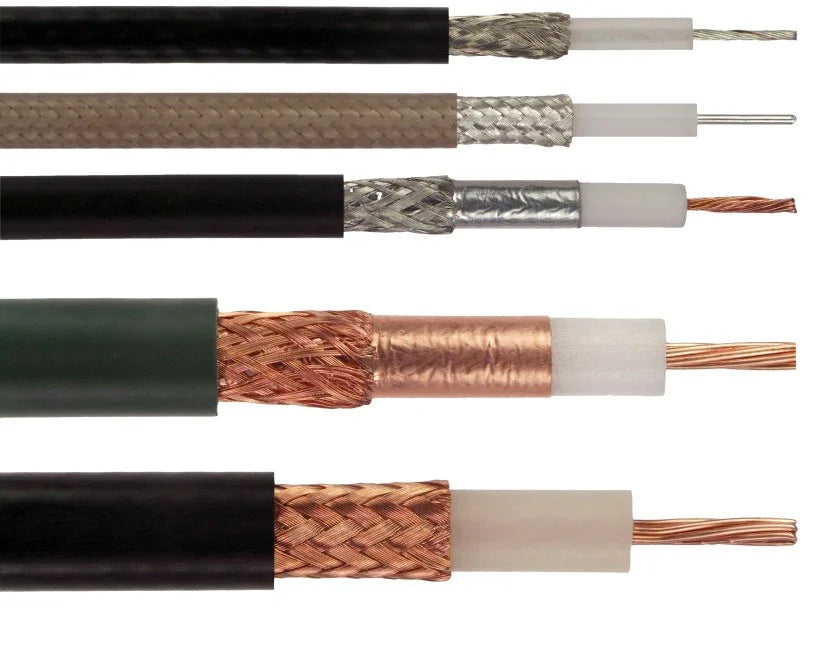
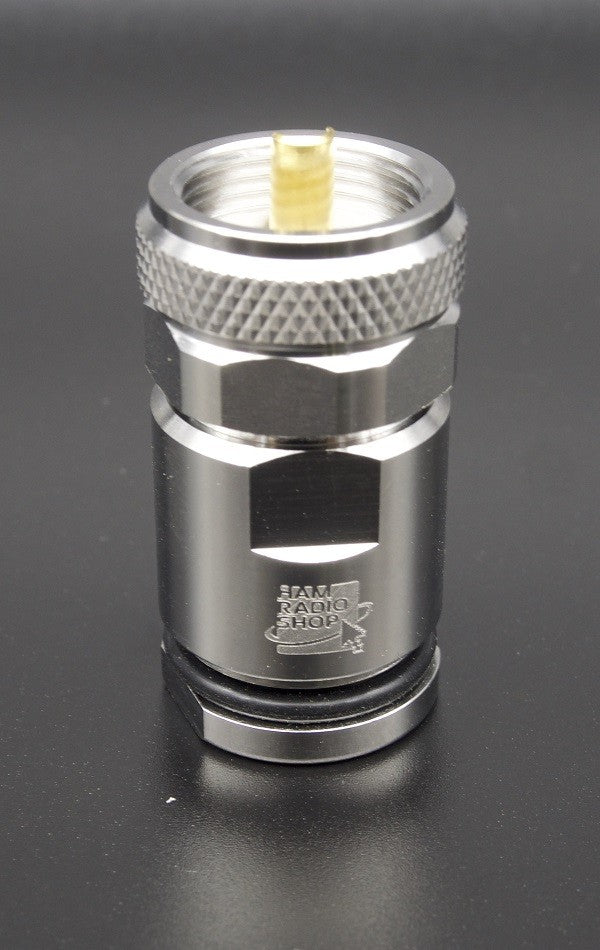
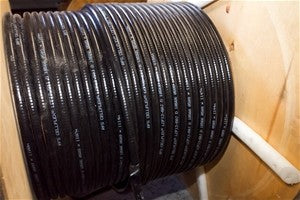
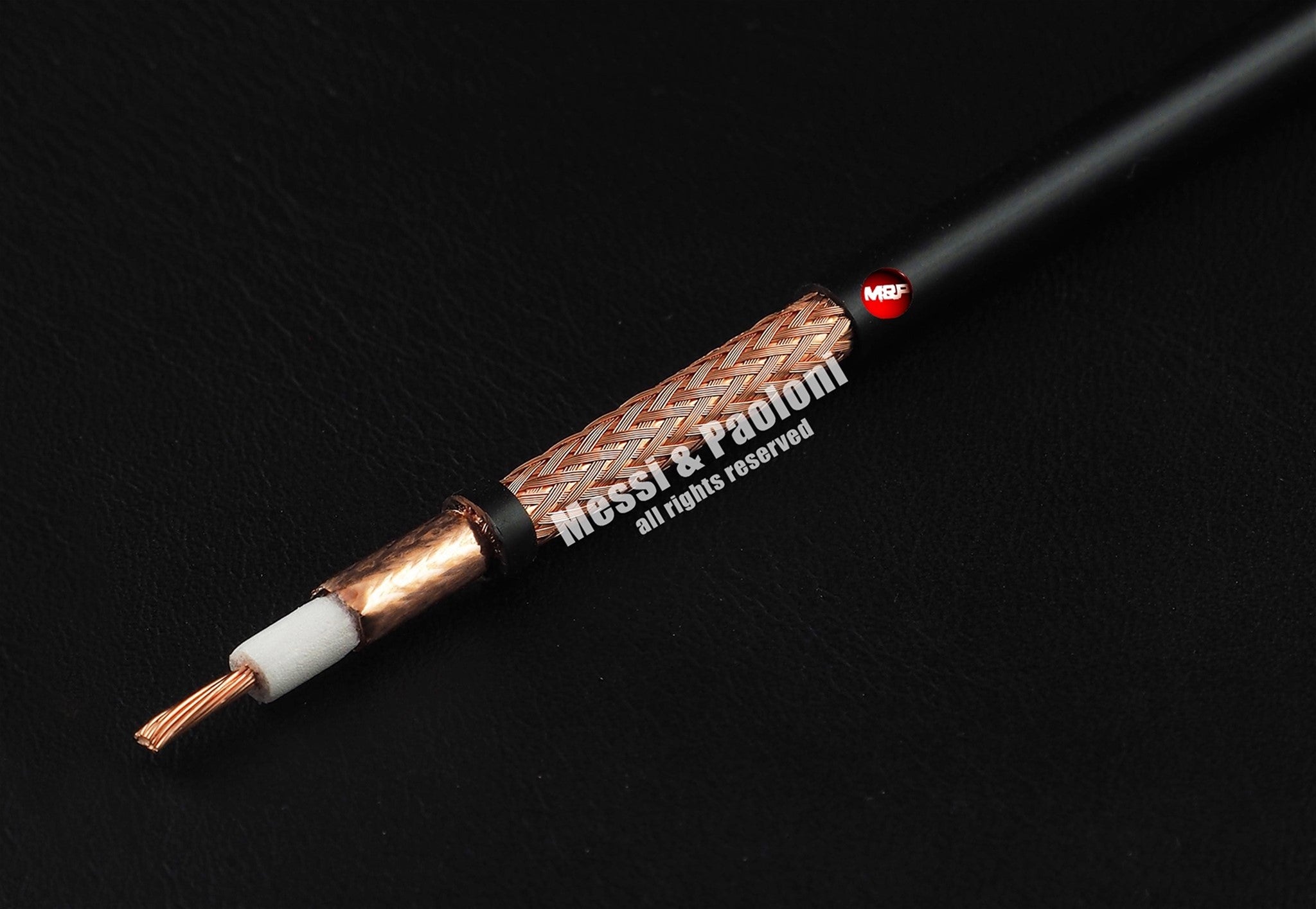
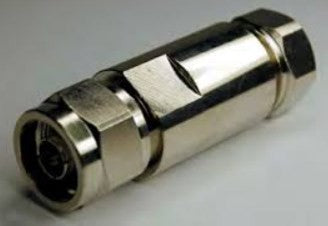
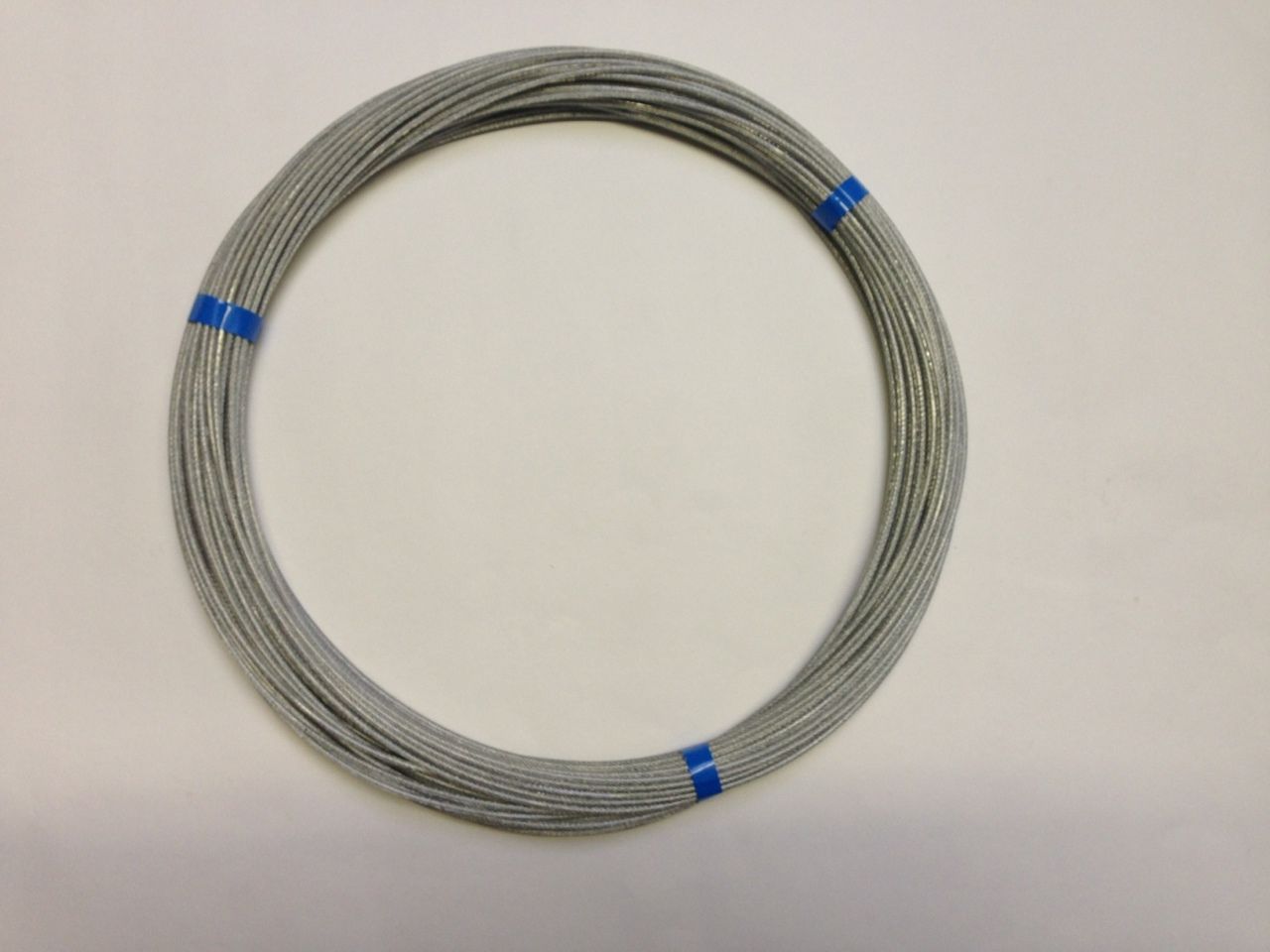
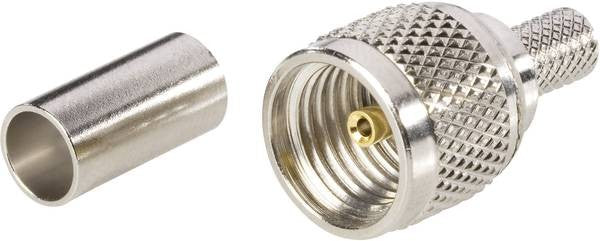
Quality coaxial cable: Don't skimp on cable. A low-quality cable can cause significant losses, nullifying the benefits of an efficient antenna. If the antenna is far away, it is essential to choose a low-loss cable, such as RG-213, or RF-400 or HF-400 (LMR-400).
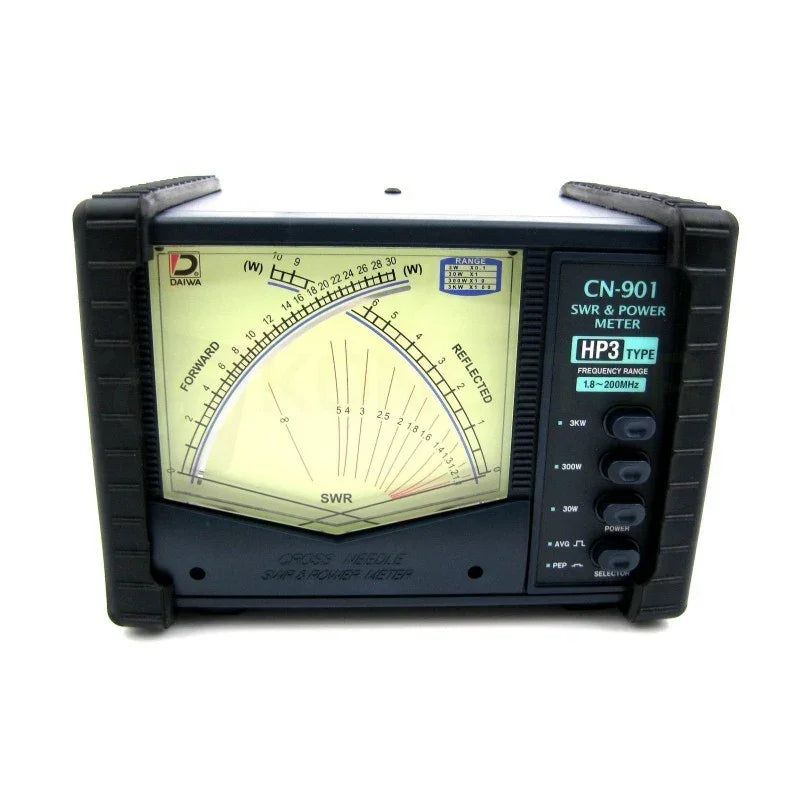
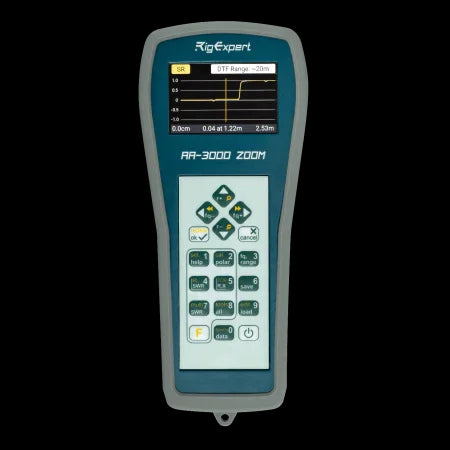
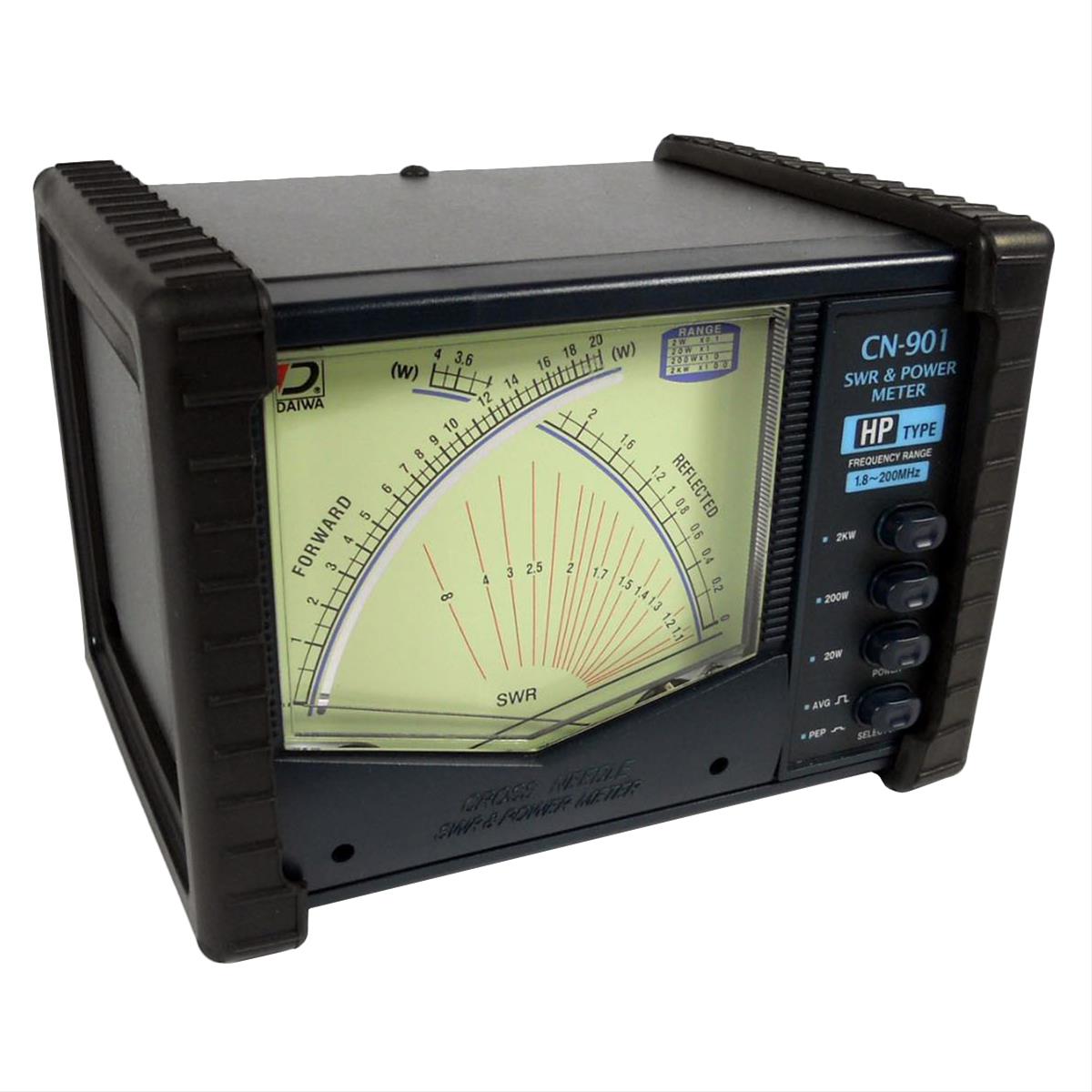
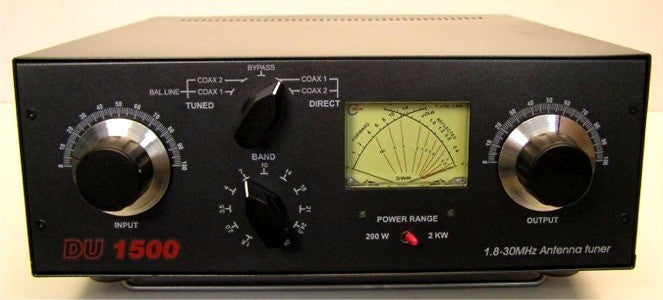
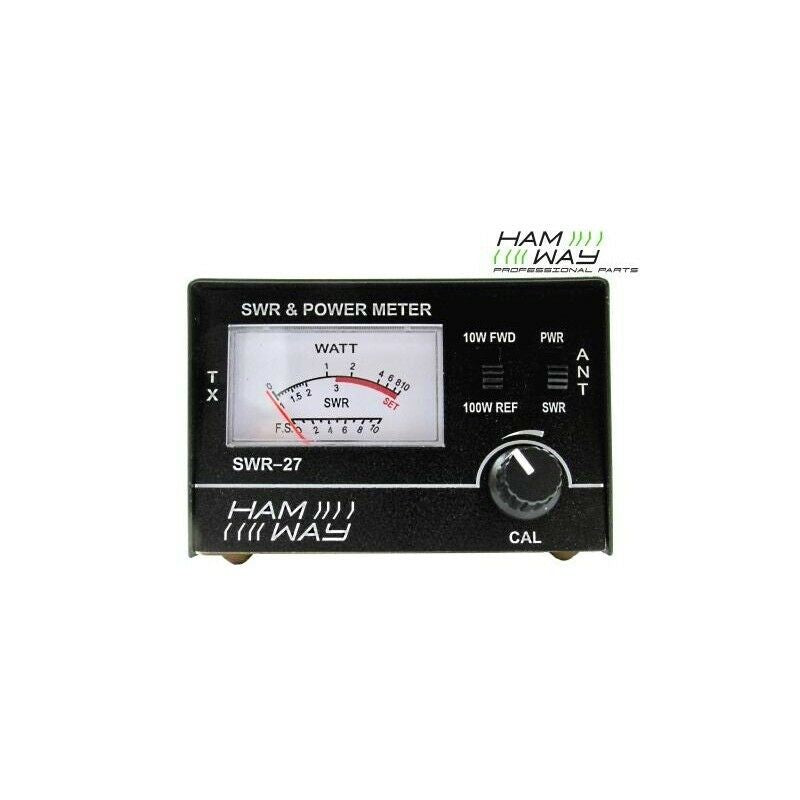
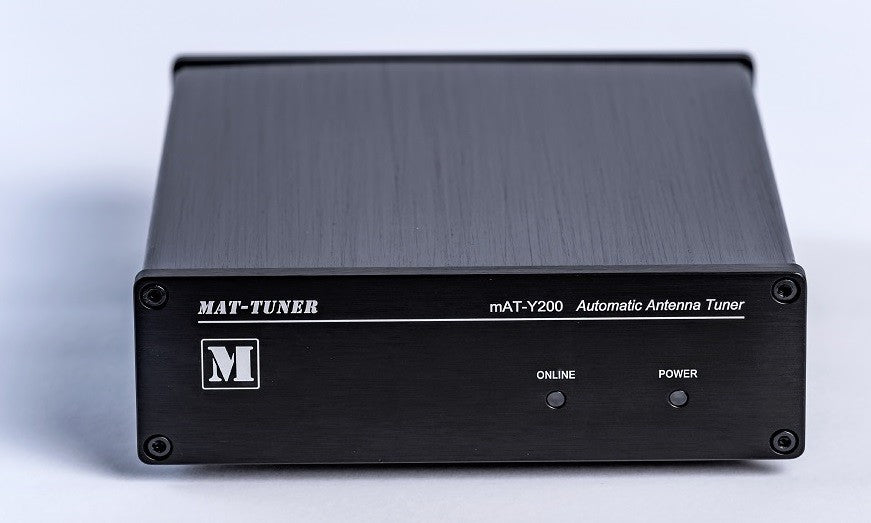
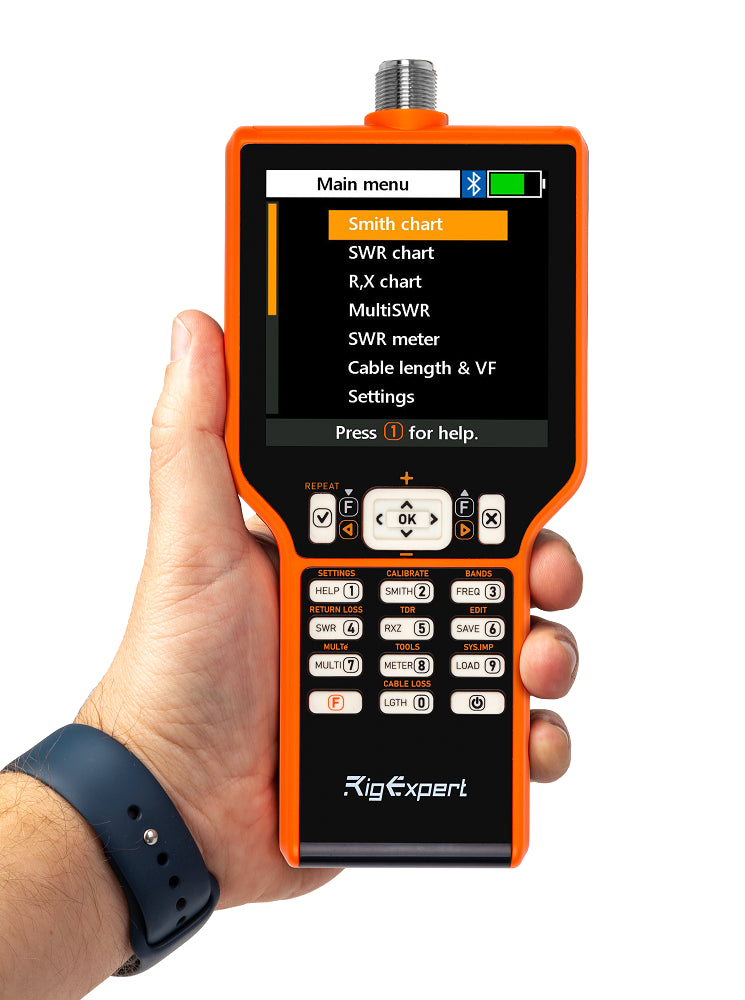
The role of SWR: A low SWR (Standing Wave Ratio) is not only a sign of good antenna "health", but it indicates that maximum power is reaching the antenna and not being reflected back to the transmitter. Use an antenna tuner to optimize your system, but remember that it won't magically make an inefficient antenna efficient.
Safety first: Ensure the installation is safe and the antenna is properly grounded to protect your station and your home from lightning and static electricity.
Investing in an efficient antenna is the smartest investment you can make to improve your station. Not only will you increase your range, but you will also enjoy cleaner reception and a more fulfilling overall ham radio experience.
Hamradioshop: your partner for long-range communication
At Hamradioshop, we understand the importance of a high-performing antenna. That's why we offer a wide range of high-quality antennas, carefully selected to meet the needs of every ham radio operator, from beginner to expert.
If you have any questions about which antenna is best suited for your space, your preferred bands, or your budget, do not hesitate to contact us. Our team of experts is here to offer personalized advice and guide you to the right purchase. Choosing the perfect antenna is the first step to transforming your station and reaching new, exciting distances.

