
























The Modern Ham Radio Operator's Digital Heart: Understanding the Science of FT8
If SSB or CW transmissions seem outdated to you, it's time to explore the future of long-distance communication. The FT8 digital mode, developed by Nobel laureate in physics Joe Taylor (K1JT), has revolutionized the world of amateur radio. It's not just another digital mode; it's a sophisticated scientific machine that allows you to "hear" signals from every corner of the globe even when propagation seems dead.
This article delves into the complex mechanics that make FT8 so powerful, exploring its structure, algorithms, and the equipment needed for an optimal setup, which you can find at Hamradioshop.
The Scientific Basis: From Theory to Practice
The acronym FT8 stands for "Franke-Taylor 8-tone." Its success doesn't come from power, but from efficiency. Unlike analog transmissions that carry sound, FT8 relies on extremely robust digital modulation.
-
8-FSK Modulation: The message, a compressed data string including callsign, report, and locator (Maidenhead grid), is modulated using a technique called 8-FSK (8-tone Frequency-Shift Keying). The FT8 software shifts the carrier frequency across eight discrete tones (eight different frequencies) to represent binary data. This modulation is incredibly resistant to interference and background noise, as the receiver only needs to distinguish the different frequencies, not their intensity.
-
Forward Error Correction (FEC): The true "magic" of FT8 lies in its error correction algorithm. Before transmission, data is redundantly encoded. The receiver uses an LDPC (Low-Density Parity Check) decoding algorithm, which allows the original message to be reconstructed even if some of the data is lost or corrupted by noise. This enables FT8 to operate with negative signal-to-noise (S/N) ratios, down to -24 dB, an unthinkable result for voice or CW.
The FT8 Protocol: A Ritual Efficiency
FT8 is not designed for long conversations, but for establishing quick and reliable contacts. Its protocol is rigid and timed, minimizing the amount of data exchanged.
-
UTC Synchronization: All transmissions occur in 15-second cycles, which must be synchronized with the UTC atomic clock. This synchronization ensures that your receiver is ready to decode the signal exactly when the transmission begins, maximizing efficiency and reducing collisions.
-
Standardized Messages: Each message is short and structured. The operator cannot type freely, but only sends essential information, such as their callsign, grid, and signal report (in dB), making the decoding process faster and more accurate.
The Advantages You Can't Ignore
The massive adoption of FT8 is due to its undeniable practical advantages:
-
Extreme DXing with low power (QRP): FT8's sensitivity allows you to work intercontinental stations with minimal power, often not exceeding 5-10 Watts. This makes DXing accessible to everyone, even those with a modest setup.
-
Revitalization of bands: FT8 has brought bands back to life that, under poor propagation conditions, were often silent. Its ability to operate in weak signal conditions opens up new opportunities for contacts, 24 hours a day.
-
Speed and Efficiency in Contests: Thanks to its standardized protocol and rapid transmission cycles, FT8 allows you to complete a contact in less than a minute, enabling you to log a high number of QSOs in a short time.
Your FT8 Setup: Beyond Just Software
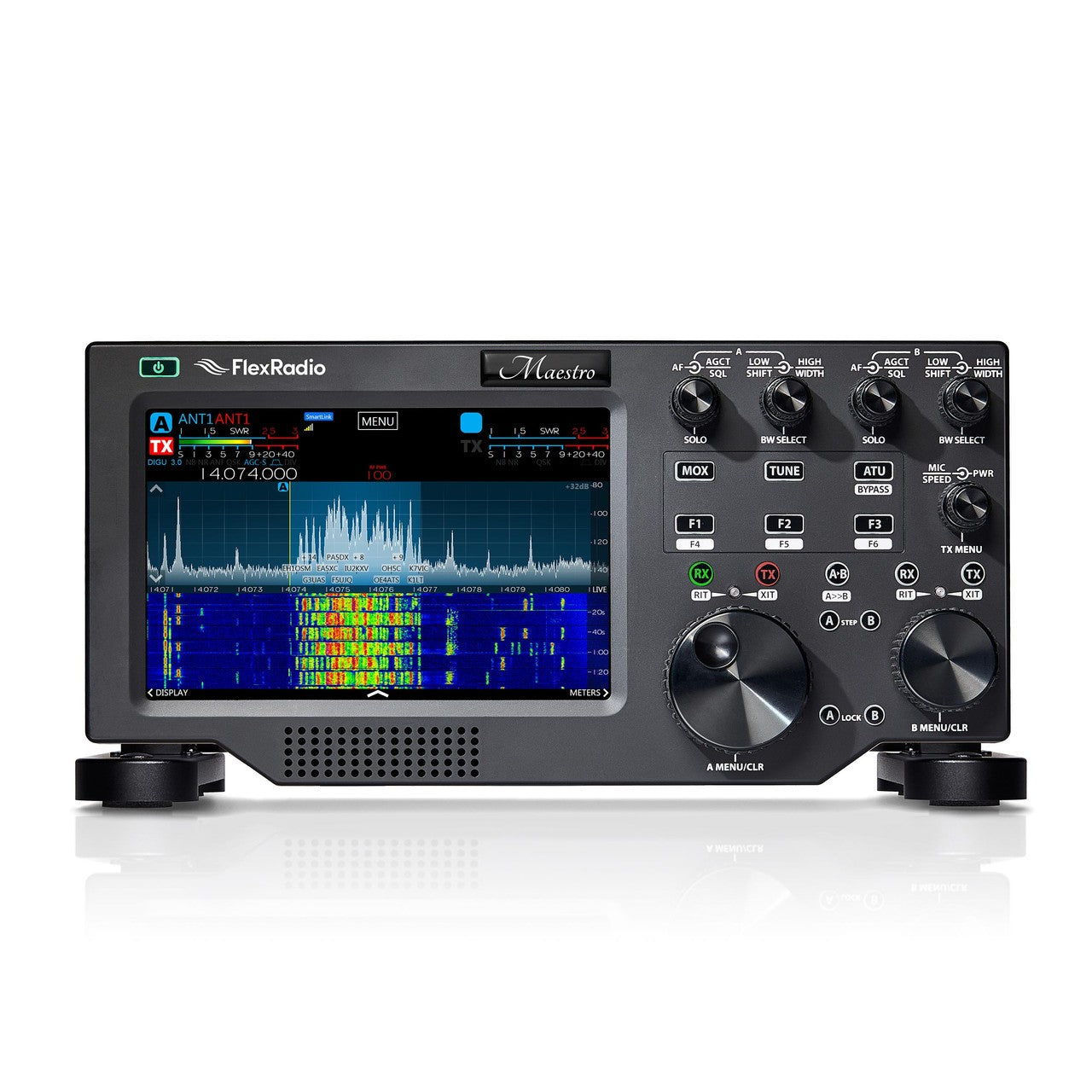
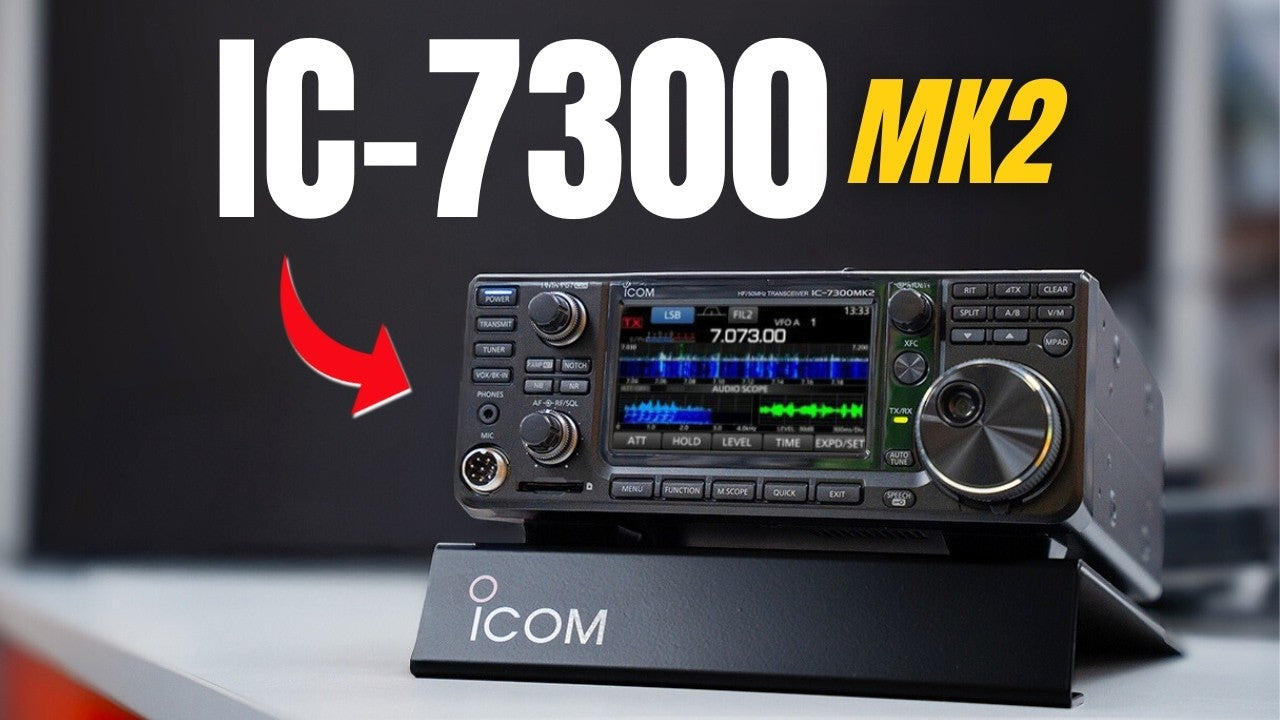
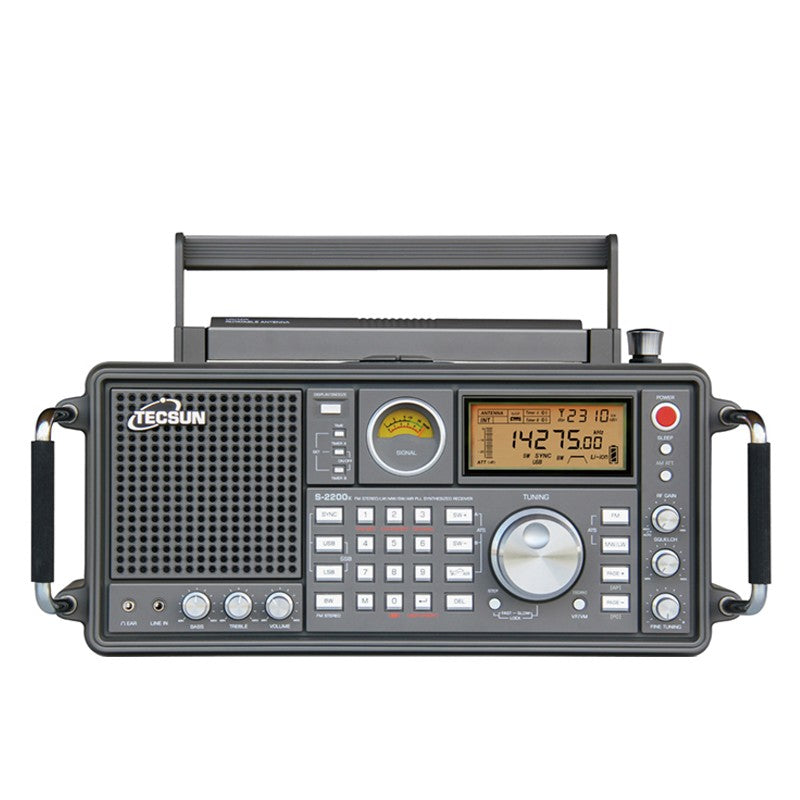
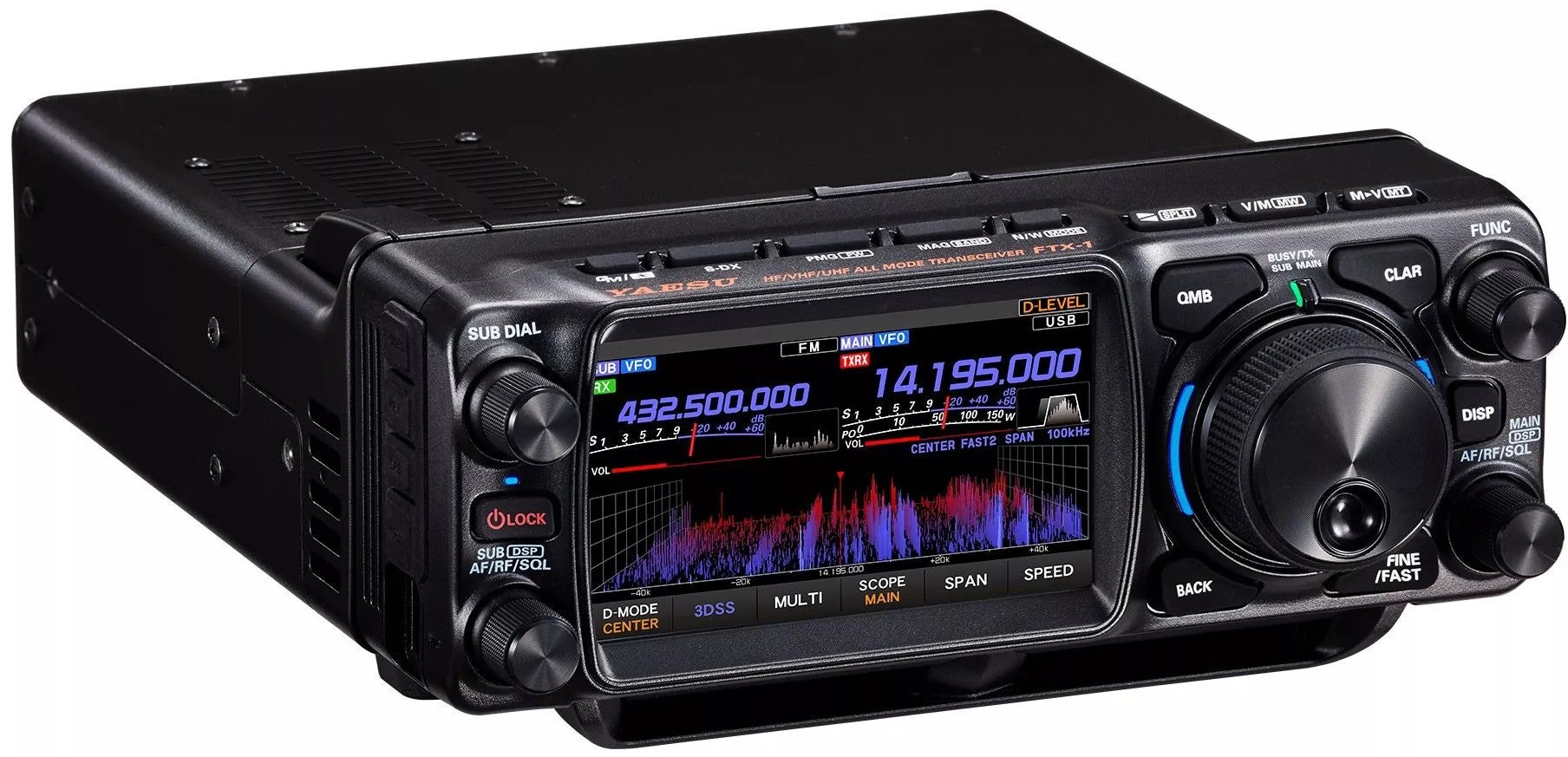
To get started with FT8, you will need three fundamental elements: a radio, a computer, and a digital interface.
-
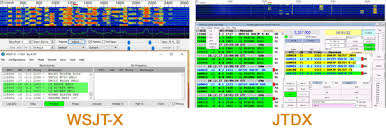
Recommended Software: The most widely used and authoritative program is WSJT-X, developed by Joe Taylor's team. It is the benchmark for FT8 and offers extremely accurate decoding and advanced features. A valid alternative, highly appreciated for its improved decoding capabilities in crowded band conditions, is JTDX. Many operators prefer it for its ability to extract weak signals even in the presence of multiple incoming signals. Both software programs are free and open-source.
-
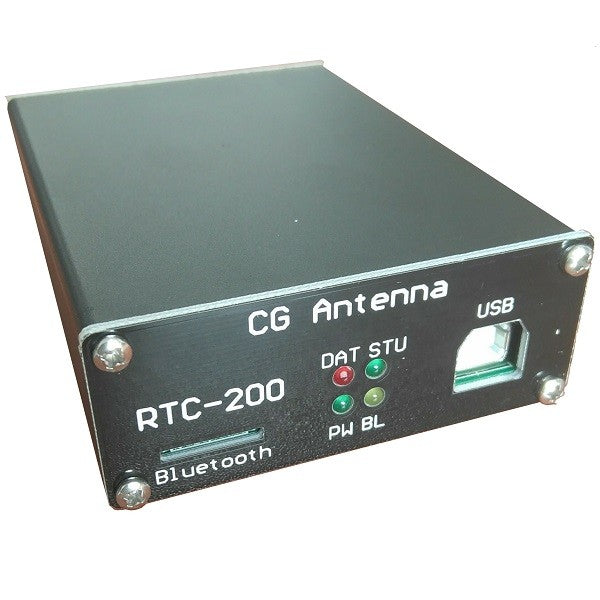
The Digital Interface: The interface is the bridge between your radio and your computer, converting audio signals into digital data and vice versa. It also controls the radio's PTT. Latest generation devices do not require an external interface, as they already integrate a USB sound card, managing the signal and radio control directly from the computer via a single cable. Conversely, for older generation radios, an external interface is essential to connect the device to the PC. At Hamradioshop, we offer a wide range of digital interfaces compatible with the most popular radio models, which will allow you to easily connect your station to your computer.
FT8 is not just a way to make contacts; it's a demonstration of the power of technology and its application in the service of the amateur radio operator. For any questions about which interface is best suited for your radio or how to get started, our team of experts is ready to provide you with all the support you need.

