





























The Ham Radio Space Adventure: Transmitting on OSCAR 100
Fellow radio amateurs, the universe of our communications is expanding, literally! Are you ready to point your antennas towards the cosmos and connect with a world of enthusiasts spanning thousands of kilometers? Today we want to tell you about an experience that combines our passion for radio with the fascination for space: transmitting through the geostationary satellite QO-100, also known as Es'hail-2 or, for us radio amateurs, OSCAR 100.
If you are already an expert in HF, VHF, and UHF, prepare for a new level of challenge and satisfaction. Forget the challenges of chasing low-orbit satellites with directional antennas: OSCAR 100 is a geostationary satellite. Positioned approximately 36,000 km above the equator, it moves in perfect synchronicity with the Earth's rotation, remaining continuously visible from much of Europe, Africa, the Middle East, and South America. This enables continuous communication, 24 hours a day, 7 days a week, with exceptional signal stability and quality.
Why is OSCAR 100 so special?
Its fixed position solves one of the biggest problems in satellite communications: tracking. With QO-100, once you point your antenna towards its position, you can maintain the connection without interruption. This opens up incredible scenarios for long-distance communications, allowing operators in remote corners of the globe to connect with clear, stable signals, free from the typical QRM interference that sometimes makes HF communications difficult. It's a pure, almost "crystal-clear" communication experience.
What equipment is needed?
Entering the world of OSCAR 100 requires slightly different equipment than what we use for terrestrial communications, but there's no need for a space station! The basic setup is accessible and consists of a few, but essential, elements:
Dish antenna: The heart of the receiving and transmitting system. A 60-80 cm diameter dish, like those commonly used for satellite TV, is usually sufficient.
Transverter: This device is the key to your success. It converts the signal from your HF/VHF/UHF radio to the satellite's transmission band (2.4 GHz) and converts the incoming signal from the reception band (10.4 GHz) to a frequency your radio can handle, usually in the VHF band (144 MHz).
LNB (Low-Noise Block Converter): This is the device positioned at the center of the dish that receives the signal from the satellite. For an optimal experience with QO-100, a specific LNB with high frequency stability is recommended.
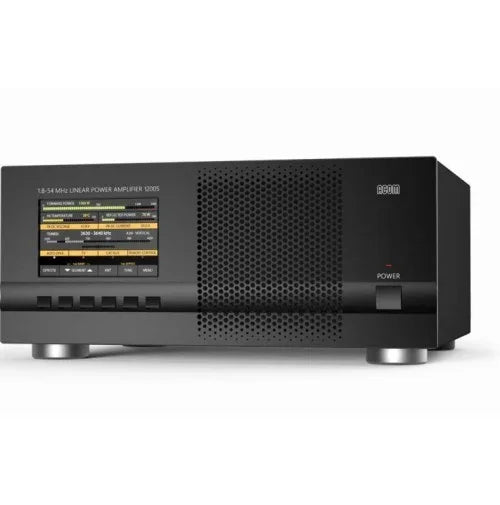
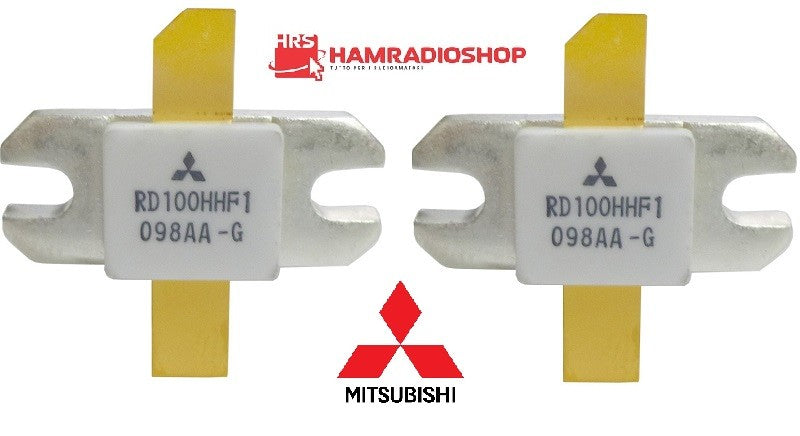
Power Amplifier (PA): To send a strong and clear signal to the satellite, located 36,000 km away, a PA is necessary. A 20-30 W unit is sufficient to transmit a robust signal.
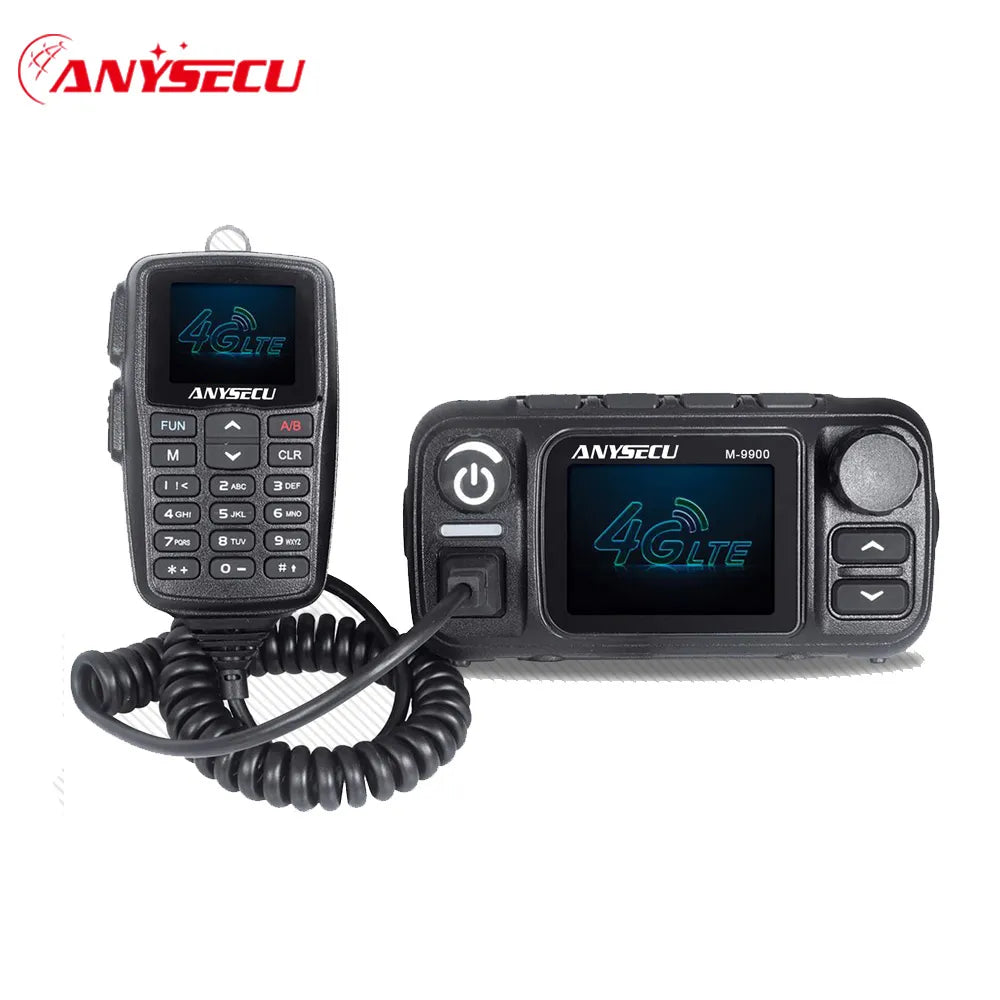
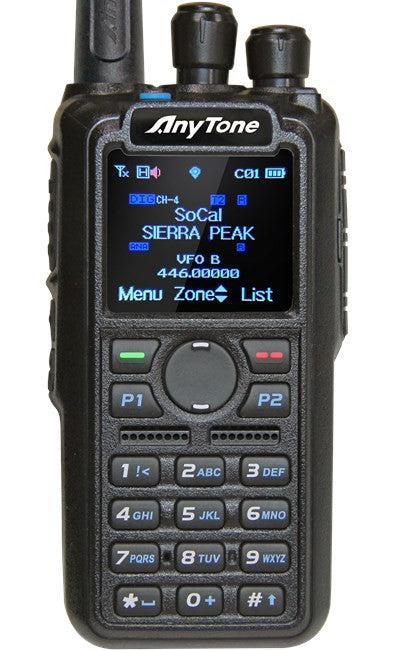
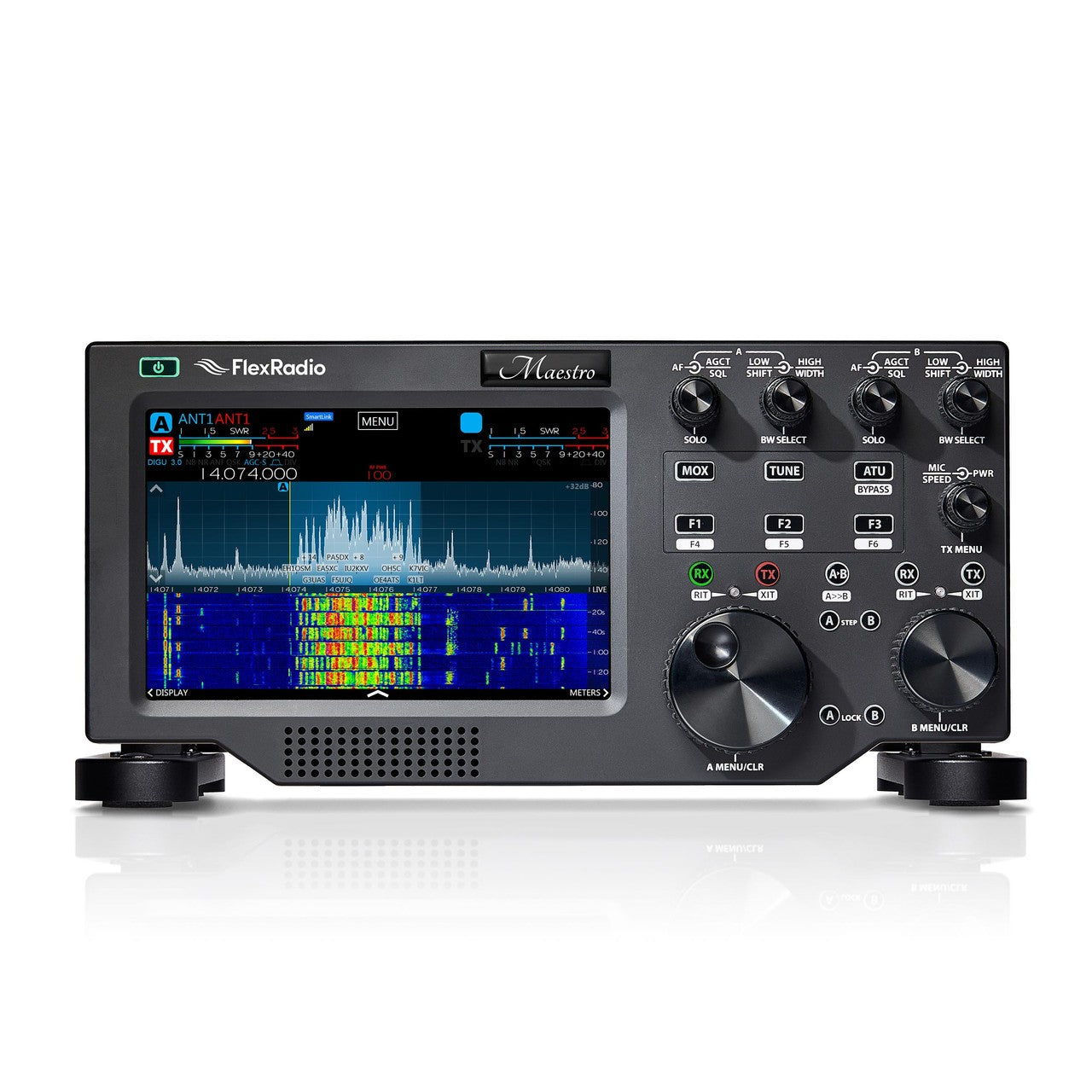
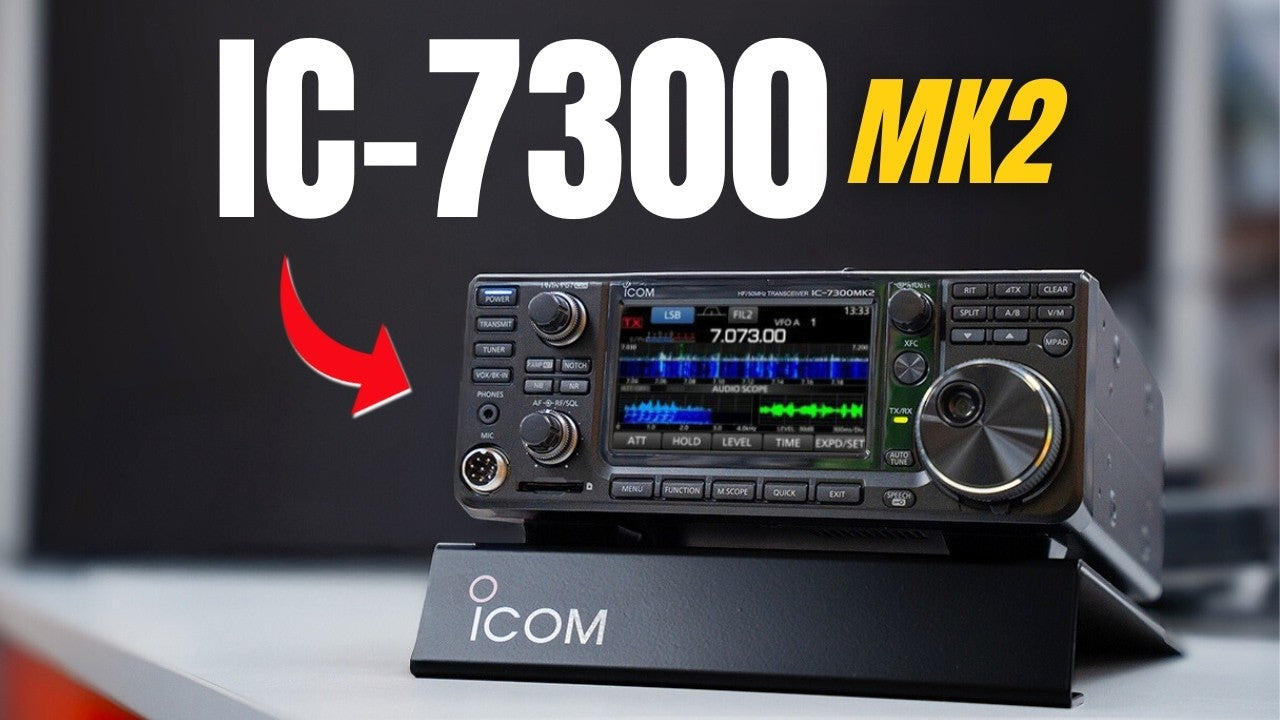
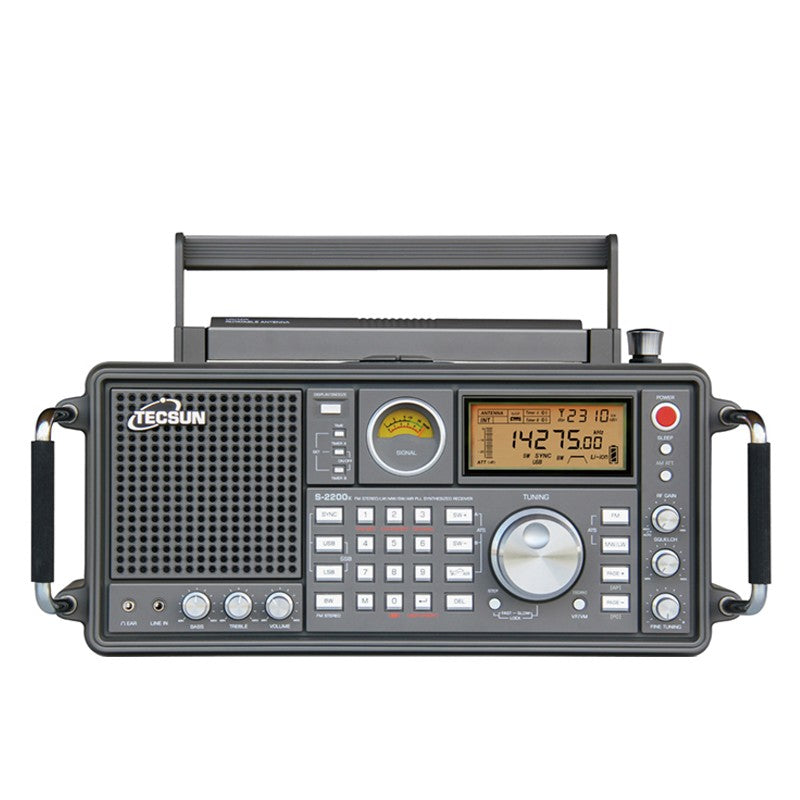
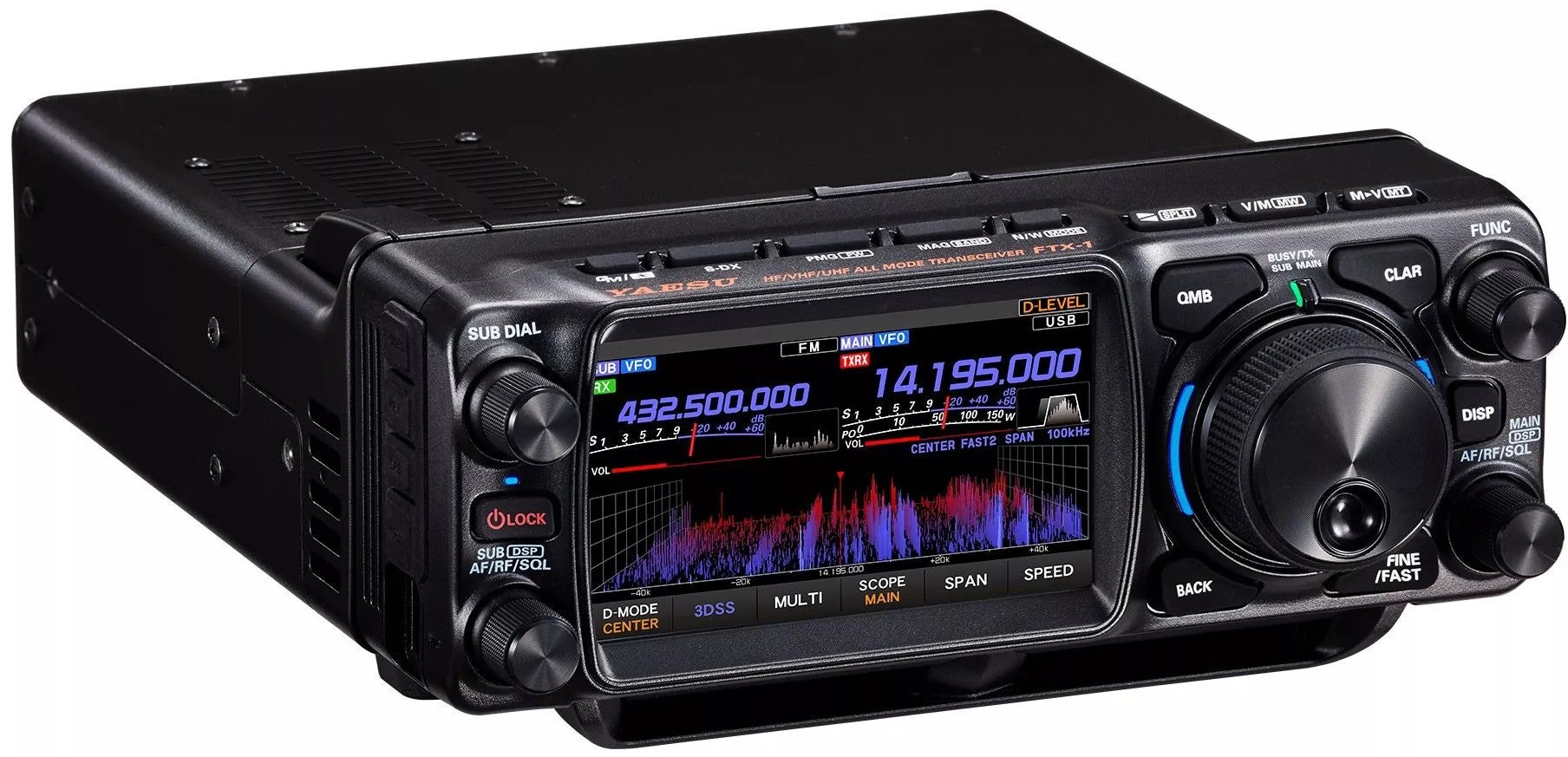
HF/VHF/UHF Radio: Your radio is used as a "pilot radio" for the transverter. Models like the Yaesu FT-818, Icom IC-705, or similar are perfect for this application.
A world of possibilities
Once the setup is complete, a new world of communications will open up to you. You can make QSOs in SSB, CW, and even FT8, using OSCAR 100's dedicated bands:
Uplink (Transmission): 2400.050 MHz - 2400.300 MHz
Downlink (Reception): 10489.550 MHz - 10489.800 MHz
The signals are incredibly clean, and you won't have the typical QRM problems that sometimes make HF communications difficult.
Why should I try it?
If you are looking for a new challenge, if you want to experience communications in a totally new way, or if you are simply fascinated by the idea of "talking" to a satellite in space, OSCAR 100 is the experience for you.
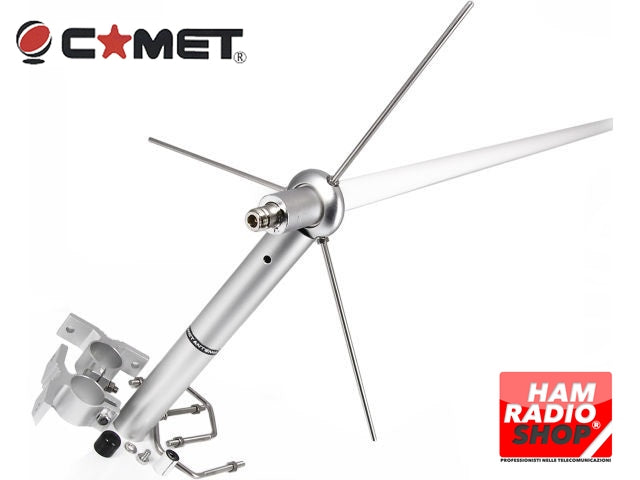
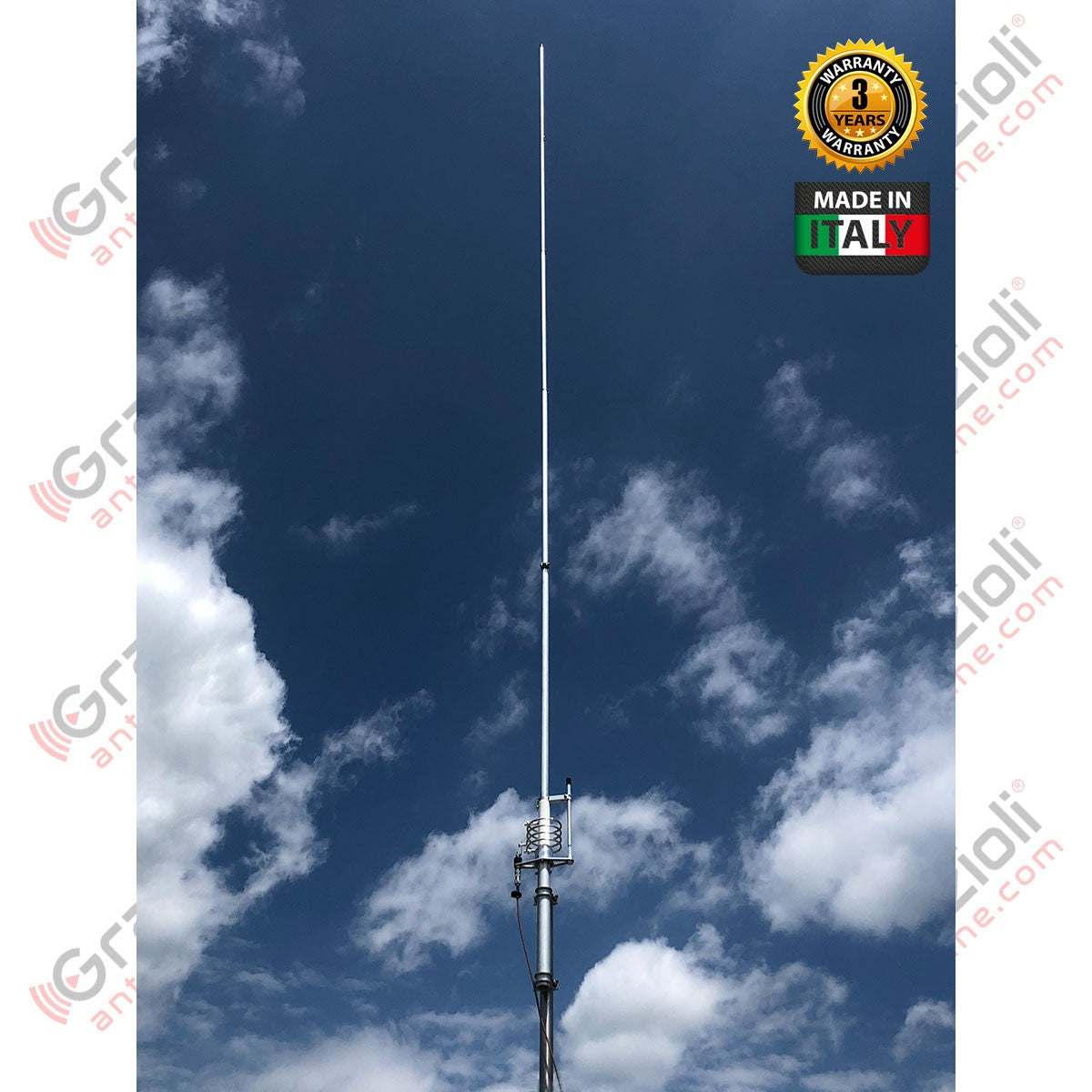
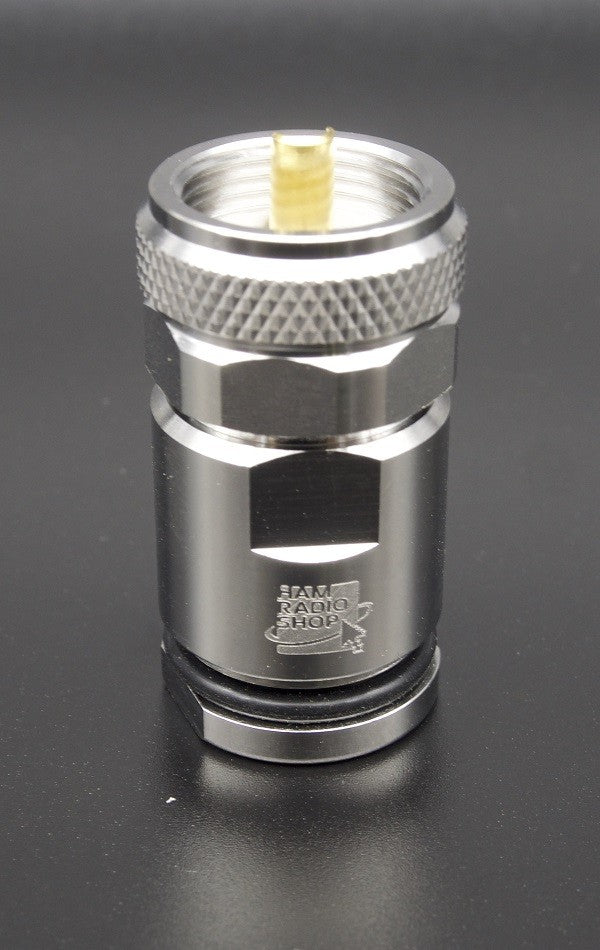
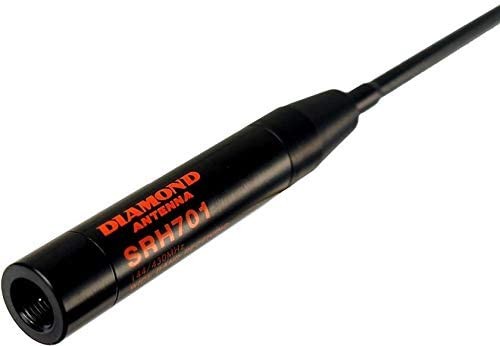
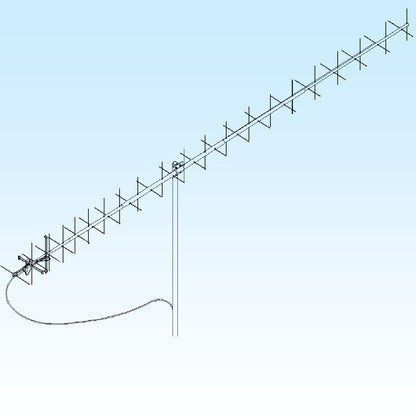
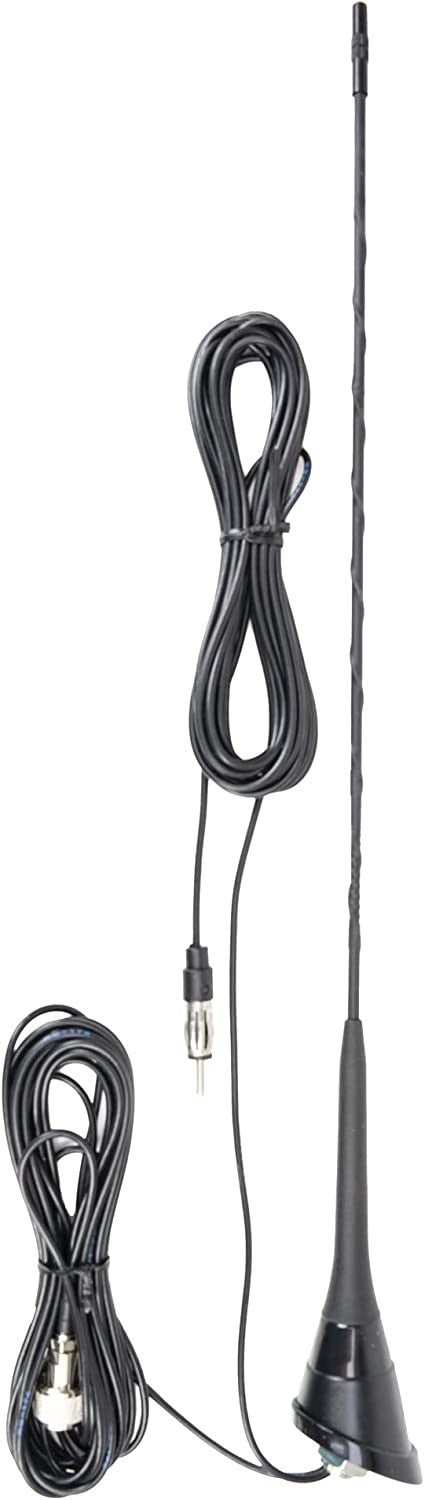
Hamradioshop has some useful components for this activity such as Antennas or LNBs.
Get your antennas ready, the next contact could be thousands of kilometers away, but with the power of amateur radio and space technology, the world is at your fingertips!

