


































KENWOOD / DUAL BAND MOBILE / TM-D750E
Your station.
Beyond voice alone.
The Kenwood TM-D750E combines FM, D-STAR and APRS in a 50 W VHF/UHF mobile transceiver. Built-in GPS, WLAN, Bluetooth and KISS TNC open your station to voice, position and data, with a separate front panel that gives more freedom in installation.
EUROPEAN VERSION / DUAL RECEIVE / SEPARATE FRONT PANEL
|
50 W VHF AND UHF |
D-STAR + APRS VOICE AND DATA |
3.45" COLOUR TFT DISPLAY |
BEFORE YOU BUY
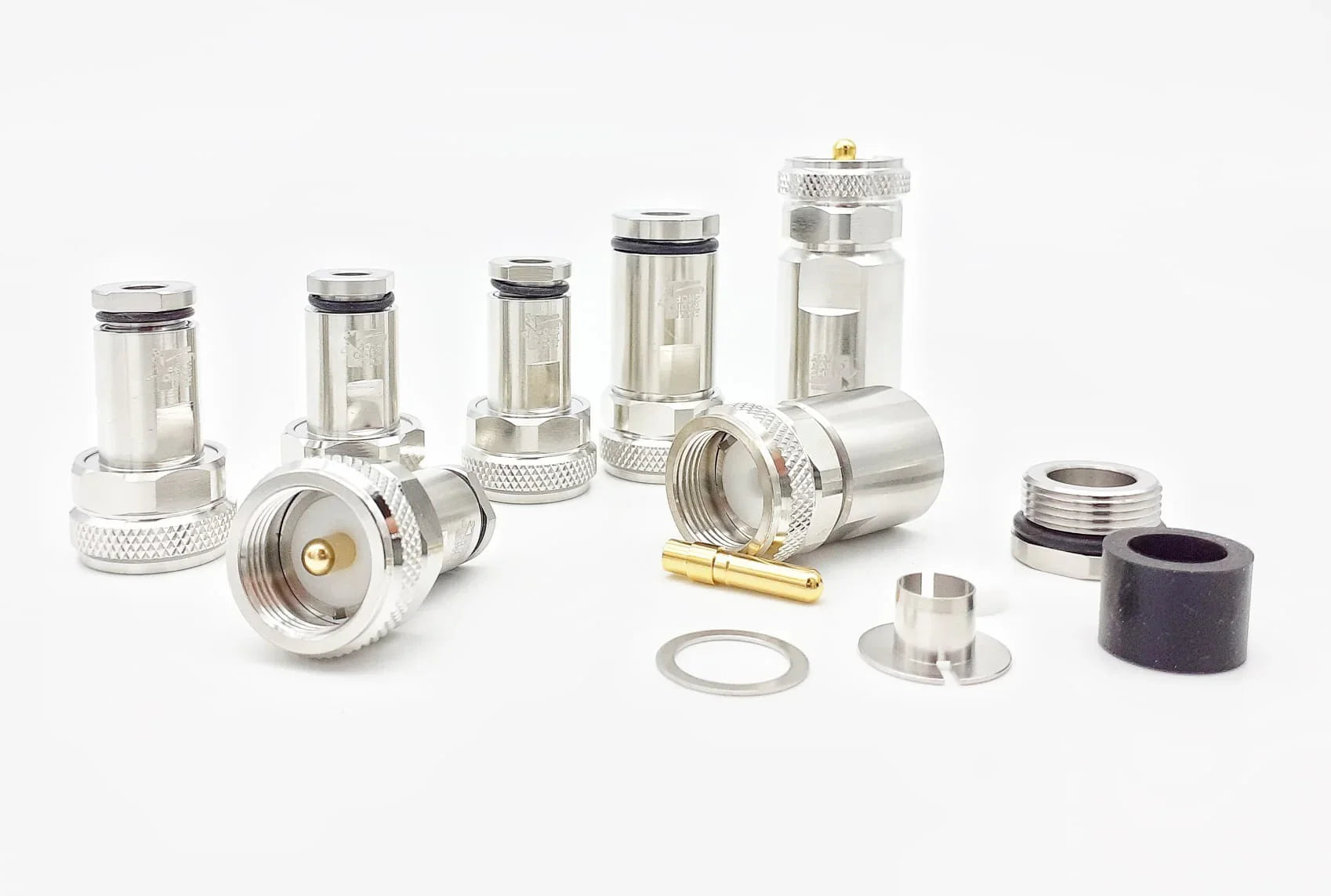
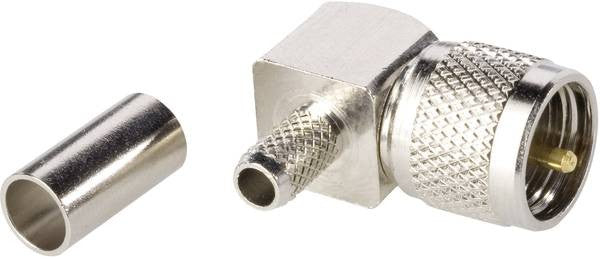
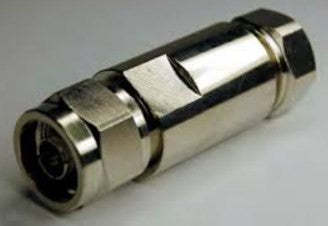
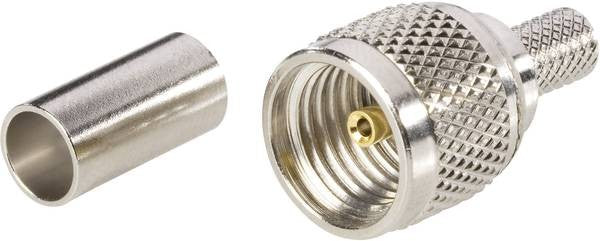
The TM-D750E requires 13.8 V DC ±15%, an antenna suited to the operating bands and a coaxial connection with an N connector. Current draw in transmit reaches 13 A at maximum power. D-STAR Direct Mode via WLAN requires Internet access; Reflector Terminal Mode uses a Windows PC or Android device via USB or Bluetooth. Extended receive coverage and transmit range do not coincide.
01 / THE DESIGN
One radio, many ways to stay connected.
The TM-D750E pairs local FM communication with the possibilities of the D-STAR network and the exchange of APRS positions and messages. Simultaneous reception on two frequencies, with V+V, V+U and U+U combinations, lets you organise voice and data monitoring without reducing the station to a single channel.
Imagine following traffic on your local repeater while keeping APRS data in view, or moving from the base station to the car setup. The separate front panel with built-in speaker and the high-brightness display help you place the controls where they are most accessible, leaving the RF unit in a well-ventilated position.
POSIZIONE E DATIAPRS with full-station tools.Built-in GPS supporting GPS, Galileo and QZSS, SmartBeaconing, messages, packet path display, notifications and weather function. The KISS TNC allows 1200/9600 bps packet; the digipeater works stand-alone, while IGate use requires connection to a PC. |
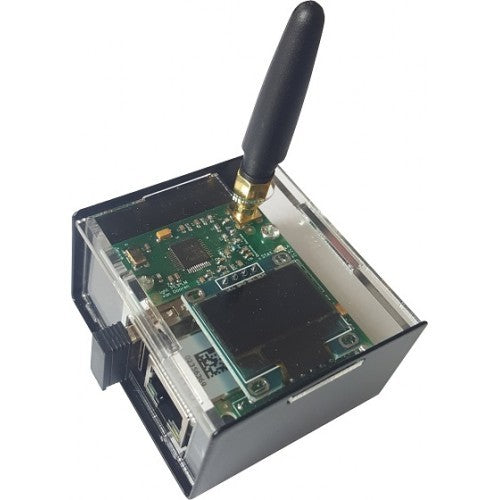
RETE DIGITALED-STAR, from direct contacts to reflectors.Supports DV, DV Fast and DR, simplex communication, via repeater, gateway and reflector. The built-in WLAN enables Direct Mode without an external hotspot; Reflector Terminal Mode uses the built-in MMDVM commands via USB or Bluetooth. Nearby repeater search, list import, direct reply, RX/TX history and D-STAR repeater monitoring via the Internet are available. |
CONTROLLO E ASCOLTOTwo frequencies, clear information.3.45" TFT display with 320×240 pixels, adjustable brightness and automatic dimmer. The front panel includes a speaker with at least 3 W output into 8 O. Voice guidance offers more than 900 phrases and four speeds; the recorder can store received audio from bands A and B at the same time. |
CONNETTIVITÀReady to talk to the rest of your station.2.4/5 GHz WLAN, Bluetooth 5.0 class 1 with HSP/HFP/SPP profiles, USB-C and microSD/SDHC slot on both the front panel and the RF unit. The MCP-D750 software manages memories and menus from a PC; the memory card is used for programming data, recordings, firmware and repeater lists. |
02 / USES AND HRS TIPS
Choose how to build your station.
In the car: controls at hand, radio body ventilated.
We recommend carrying out the installation with the vehicle stationary, placing the front panel without obstructing visibility and leaving space around the RF unit. Size the wiring for maximum current draw, keep the intended fuse protection and set up memories and profiles before the journey.
At home: local FM and digital in the same station.
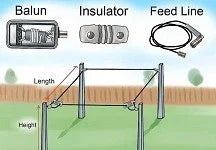
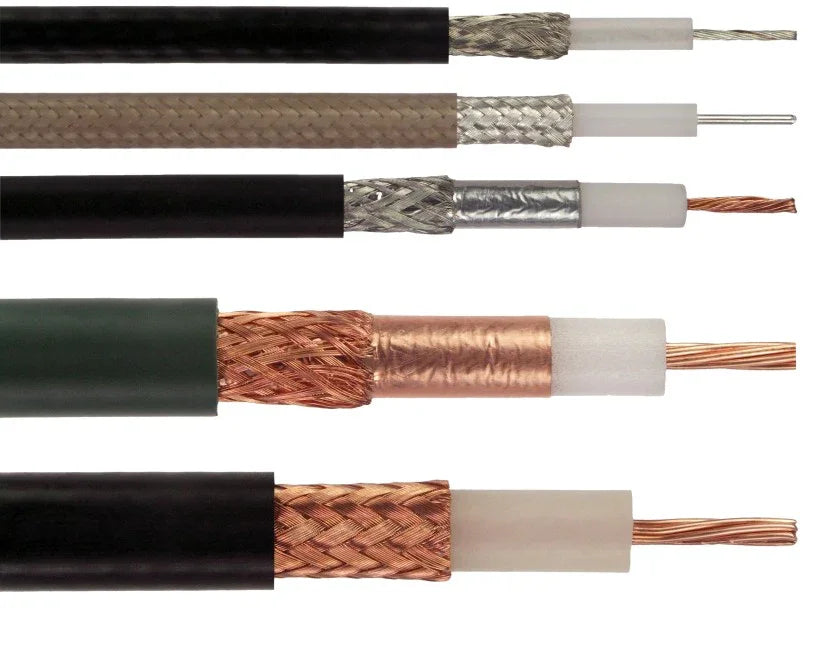
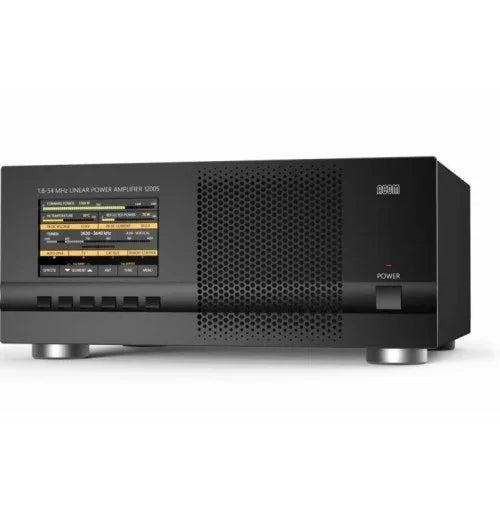
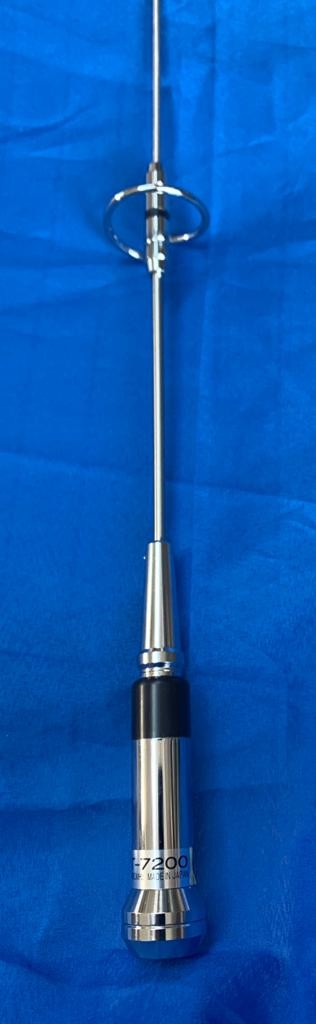
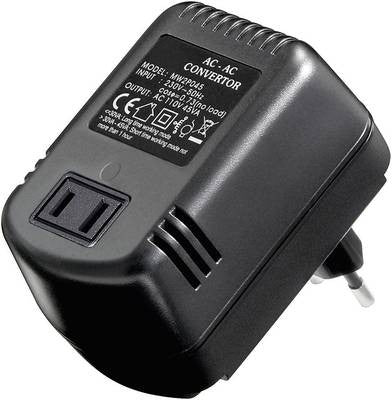
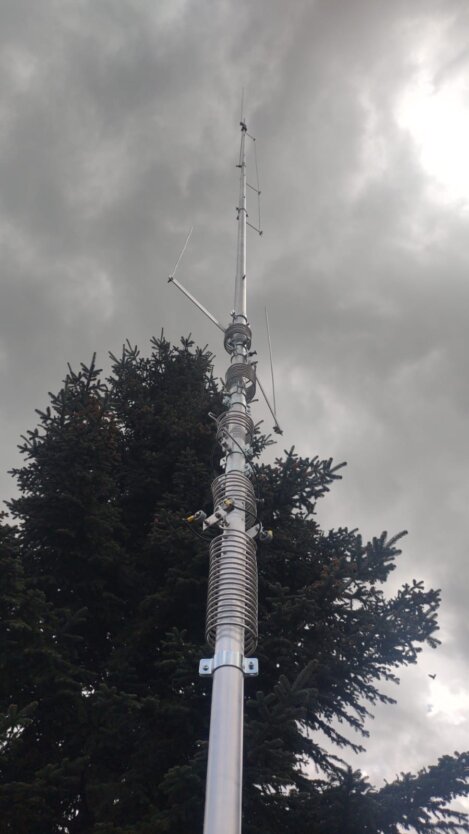
For the radio desk choose a regulated 13.8 V power supply able to sustain the 13 A required in transmit, with adequate margin. Pair it with a dual-band antenna and a coaxial feed line suited to the length of the installation; start from the lowest power sufficient for the contact.
APRS: position and messages with a well-thought-out setup.
Place the front panel with built-in GPS antenna where satellite reception is good. Set up your callsign and the APRS parameters for your area; adjust beacon rate and SmartBeaconing according to use. Enable digipeater or IGate only if they meet a real need of the local network.
D-STAR: choose the right path for the contact.
For local traffic use simplex or a repeater; for network access set up a stable Internet connection. WLAN Direct Mode avoids the external hotspot, while Reflector Terminal Mode integrates with a Windows PC or Android. Save a copy of the configuration before changing lists and routing.
03 / TECHNICAL DATA OF THE EUROPEAN VERSION
The radio, in black and white.
| Brand / model | Kenwood TM-D750E |
|---|---|
| Transmit | 144–146 MHz and 430–440 MHz |
| Band A receive | 136–174 MHz and 410–470 MHz |
| Band B receive | 108–524 MHz |
| VHF/UHF RF power | 50 / 10 / 5 W |
| Modes | FM/NFM, D-STAR; AM receive. TX: F1D, F2D, F3E, F7W; RX: also A3E |
| Simultaneous receive | Two frequencies; V+V, V+U, U+U; voice and digital data |
| Power supply | 13.8 V DC ±15% |
| VHF/UHF TX current draw | 50 W: 13/13 A; 10 W: 6.5/6.5 A; 5 W: 4/5 A |
| Dual-band RX current draw | Less than 1.2 A under the conditions stated by the manufacturer |
| Antenna | 1 N connector; 50 O impedance |
| Display / audio | 3.45" TFT, 320×240 pixels; audio output =3 W into 8 O |
| Memories / profiles | 1000 channels; 5 PM profiles; Visual Scan 31/61/91/181 channels |
| Tones and FM functions | 42 CTCSS tones, 104 DCS with scan; 1750 Hz tone; DTMF; automatic offset; wide/narrow; EchoLink Sysop and memory dialer |
| GPS | Built-in module and patch antenna; GPS, Galileo and QZSS; NMEA 0183 GPS port |
| Connections | 2.4/5 GHz WLAN; Bluetooth 5.0 class 1 HSP/HFP/SPP; USB-C and microSD/SDHC on front panel and body; 8-pin mini-DIN COM; RJ-45 microphone |
| Packet / APRS | 1200/9600 bps KISS TNC, stand-alone digipeater, IGate with PC, SmartBeaconing, messages and weather function |
| Management | MCP-D750 software, simultaneous A/B recording, voice guidance with over 900 phrases, GPS/NTP clock, power-on password, auto power off, time-out timer and programmable keys |
| Temperature / stability | -20 °C / +60 °C; ±2 ppm |
| RF unit, W×H×D | 140×43×180 mm, without projections; net weight 1.31 kg |
| Front panel, W×H×D | 183.3×93×36.8 mm, without projections; net weight 344 g |
| Receiver | Double superheterodyne for FM/DV; triple for AM. IF: 57.15/58.05 MHz, 450 kHz; third AM IF 10.8 kHz |
| Sensitivity on the amateur bands | FM/NFM: 0.16/0.20 µV at 12 dB SINAD; DV VHF/UHF: 0.22/0.24 µV at 1% BER; AM: 0.50 µV at 10 dB S/N |
| Squelch / rejection | 0.10 µV; spurious and IF rejection =60 dB |
| Selectivity | =12 kHz at -6 dB; =30 kHz at -50 dB |
| Transmitter | FM reactance modulation; DV GMSK. FM deviation =±5 kHz, NFM =±2.5 kHz; distortion =3%; spurious emissions =-60 dB; microphone 600 O |
Supplied items as stated by the manufacturer
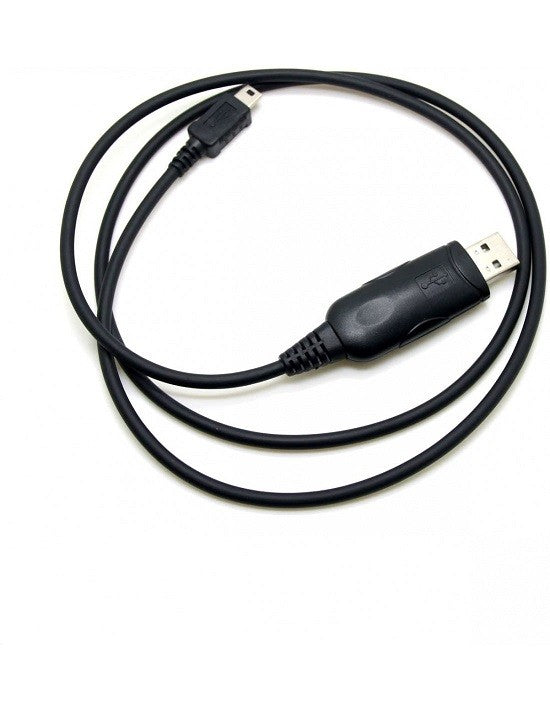
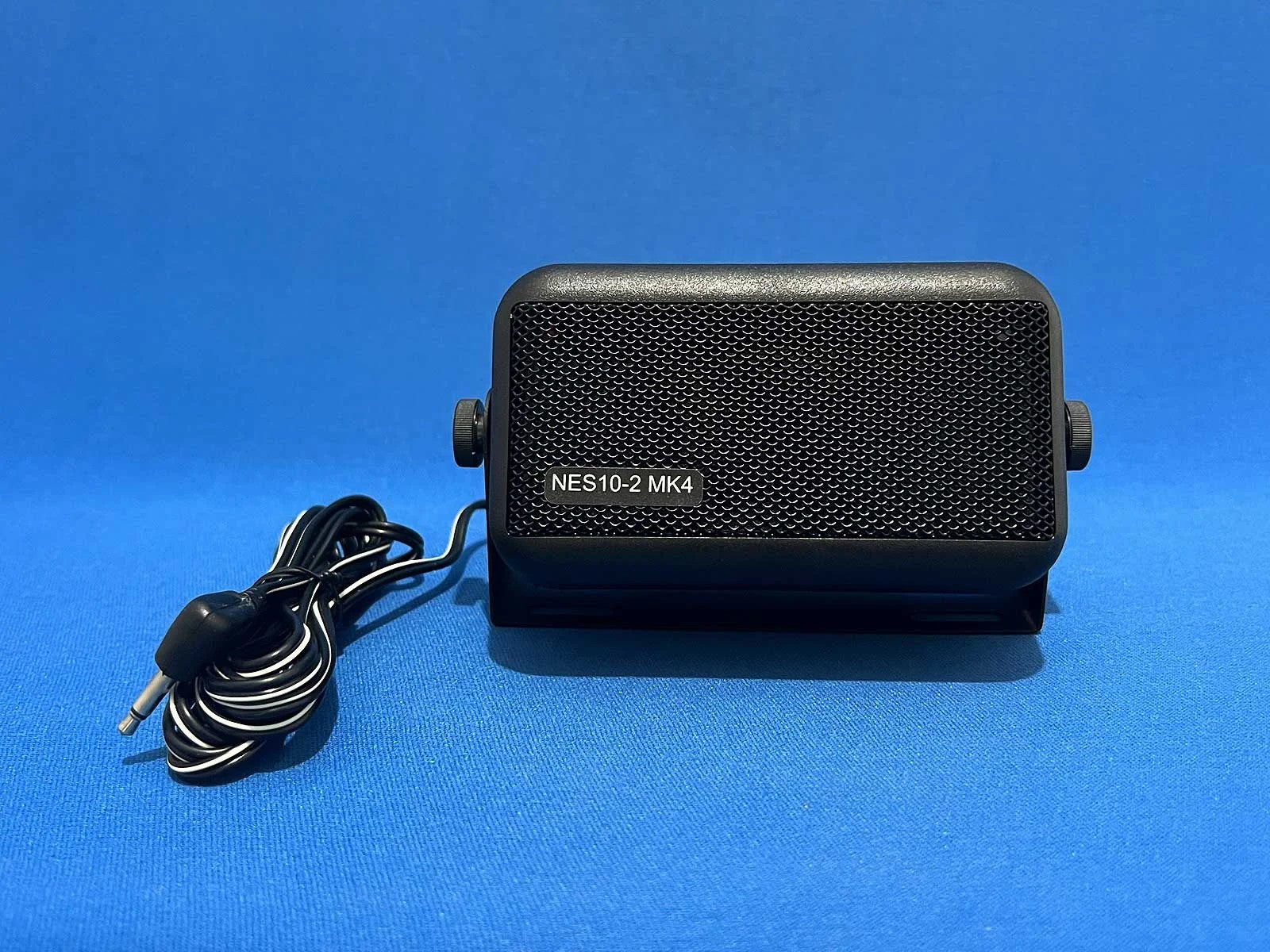
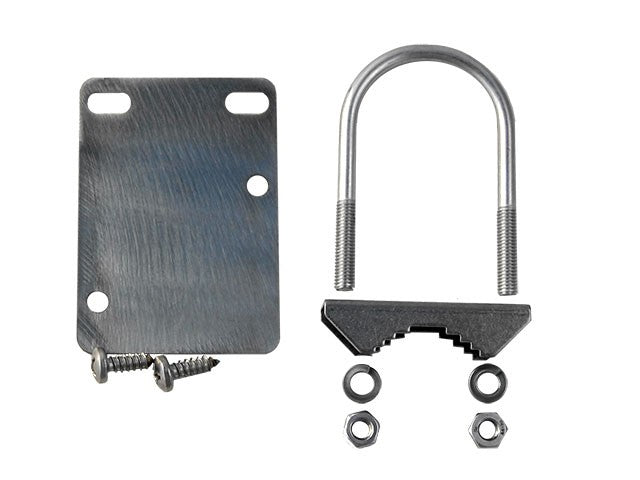
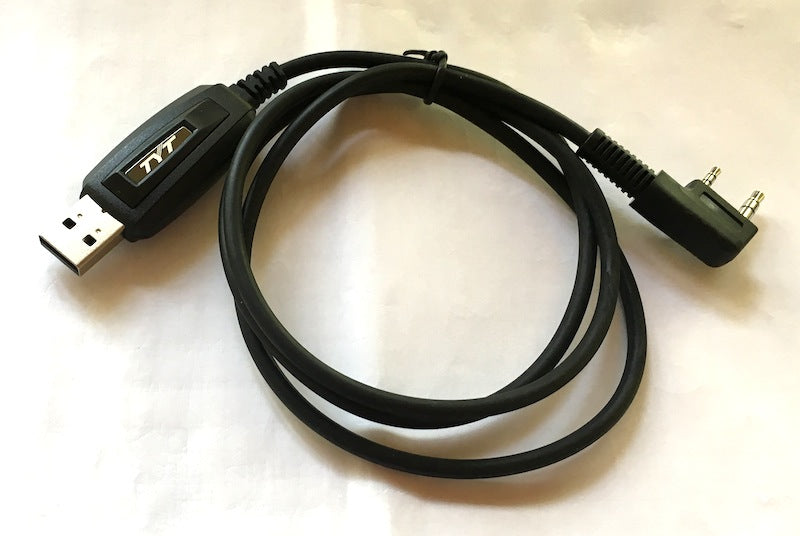
Modular front panel connection cable, DC cable with 15 A fuse, fuse, line filter, microphone with 16-key keypad and holder, bracket for the radio body, desk stand and vehicle bracket for the front panel, panel holder, screws and instruction manual.
The dimensions and weights given refer to the radio components, not to the shipping packaging.
THE HRS TEAM’S VIEW
For those who want a station that grows with use.
We recommend it to those who want to add APRS and D-STAR to their usual FM activity, without being limited to a radio for the local repeater only. Before exploiting every function, prepare an essential configuration: local memories, a well-set APRS network and a reliable D-STAR route. Then save the profile and expand the station one step at a time.
Prepare your next session.
| Power supply | Provide regulated 13.8 V, wiring and protection suited to the maximum current draw. |
|---|---|
| Installation | Keep the RF unit ventilated and place the front panel in a readable position that also favours GPS reception. |
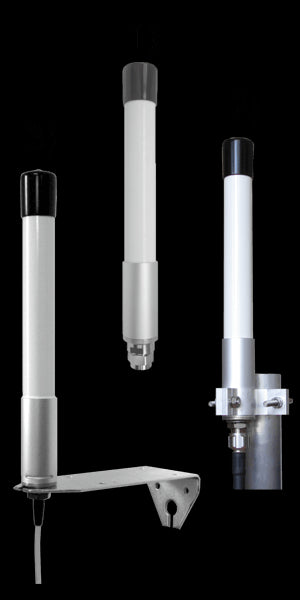
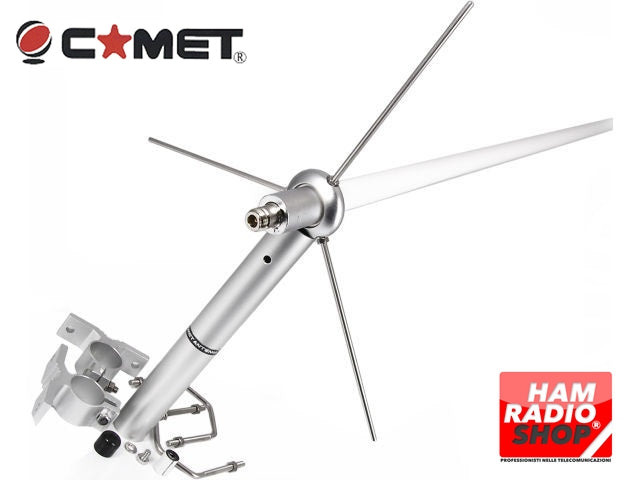
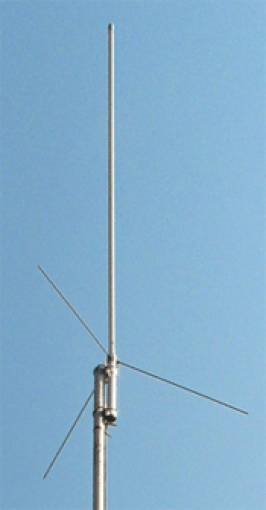
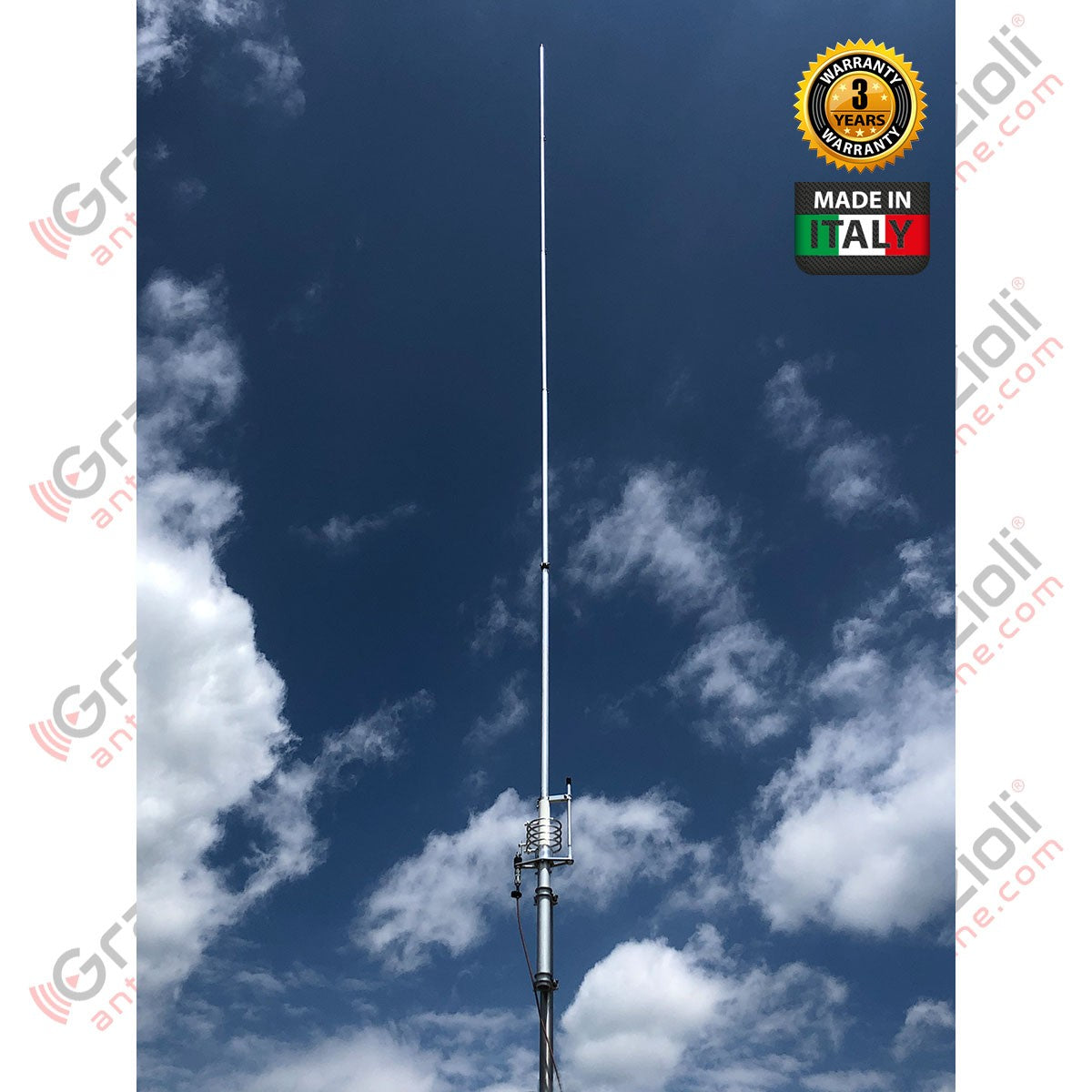
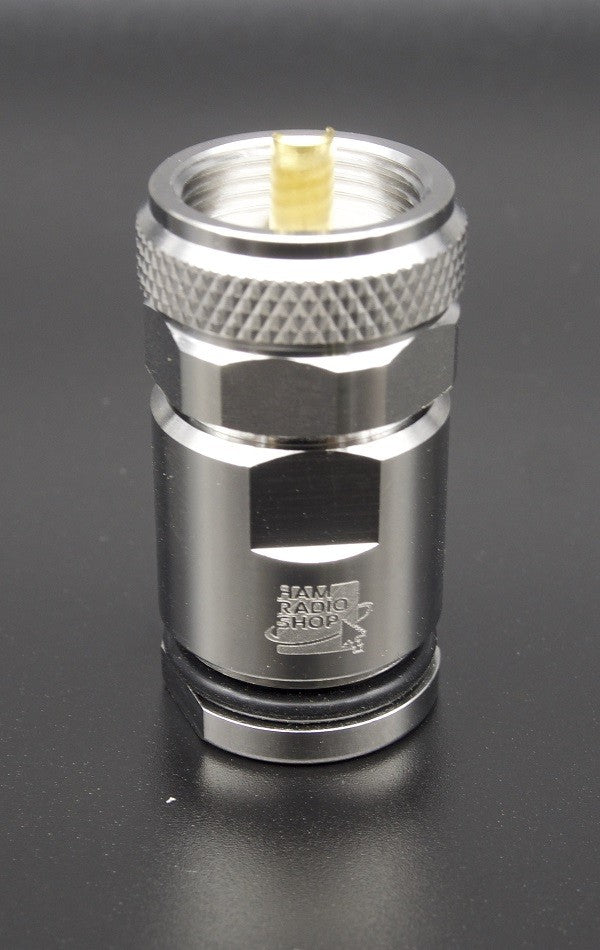
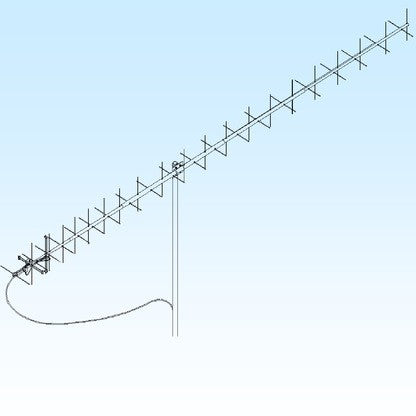
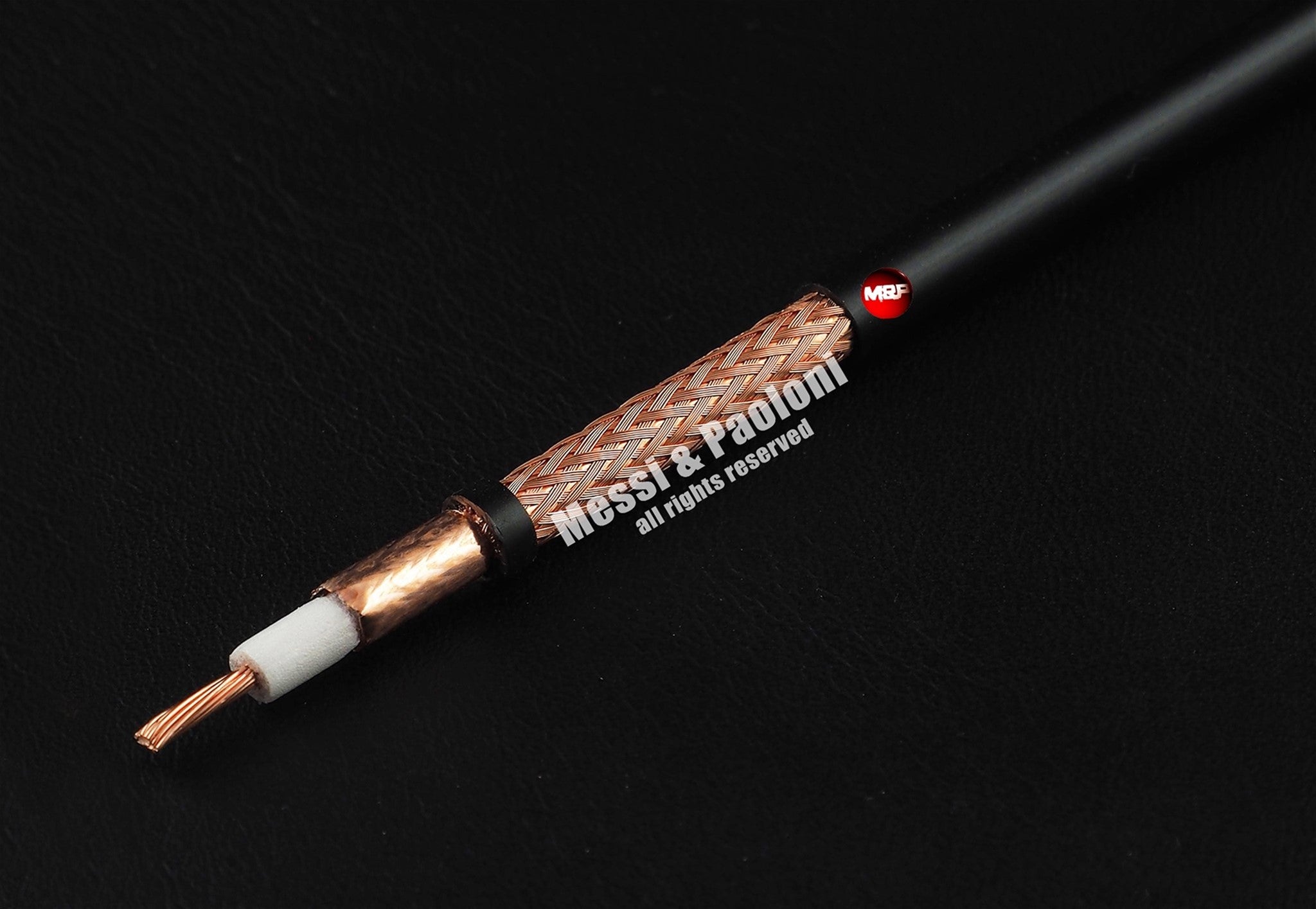
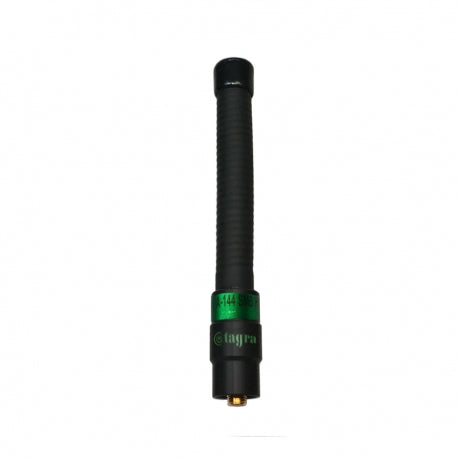
| Antenna | Pair a VHF/UHF antenna with suitable coax; bear in mind the radio’s N connector. |
| Data and backup | Prepare callsign, memories, APRS network and D-STAR; keep a copy of the configuration before updates. |
HAMRADIOSHOP / KENWOOD TM-D750E
Voice, position and data. A station to build around your way of doing radio.