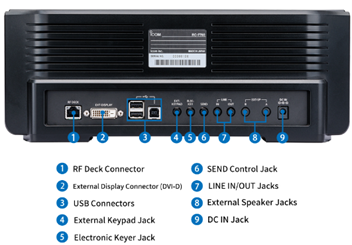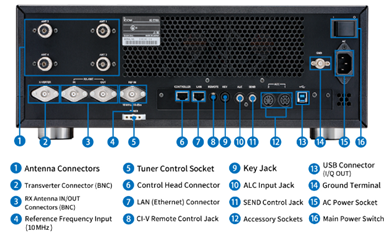



































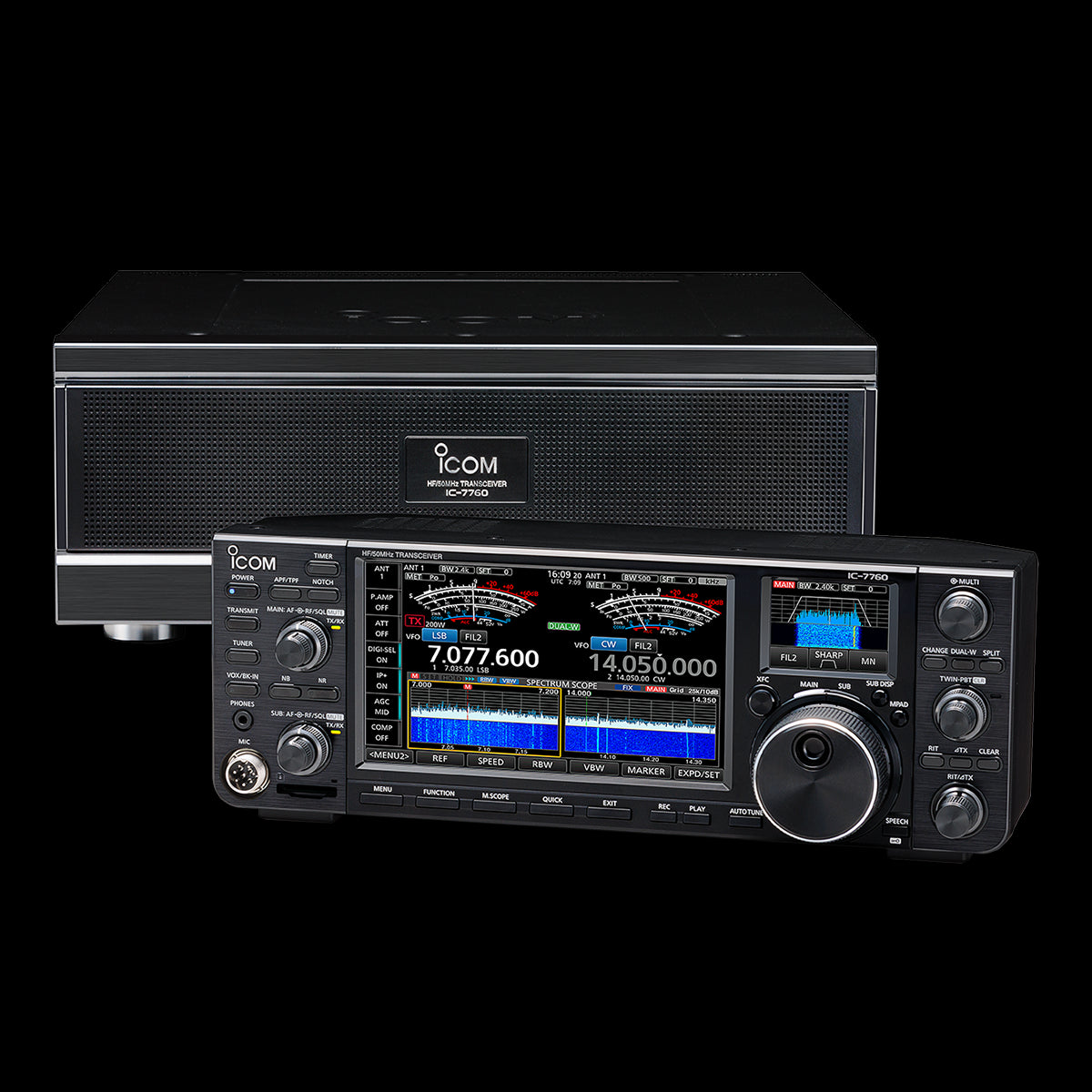
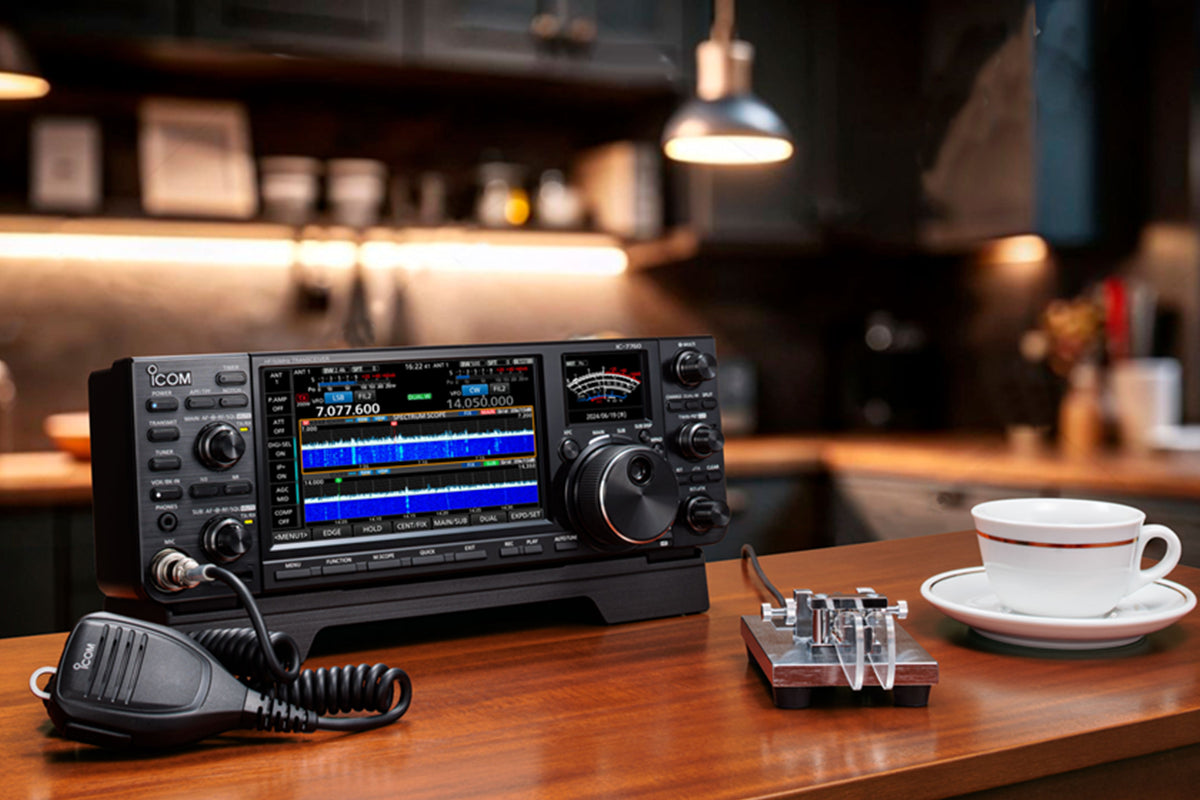
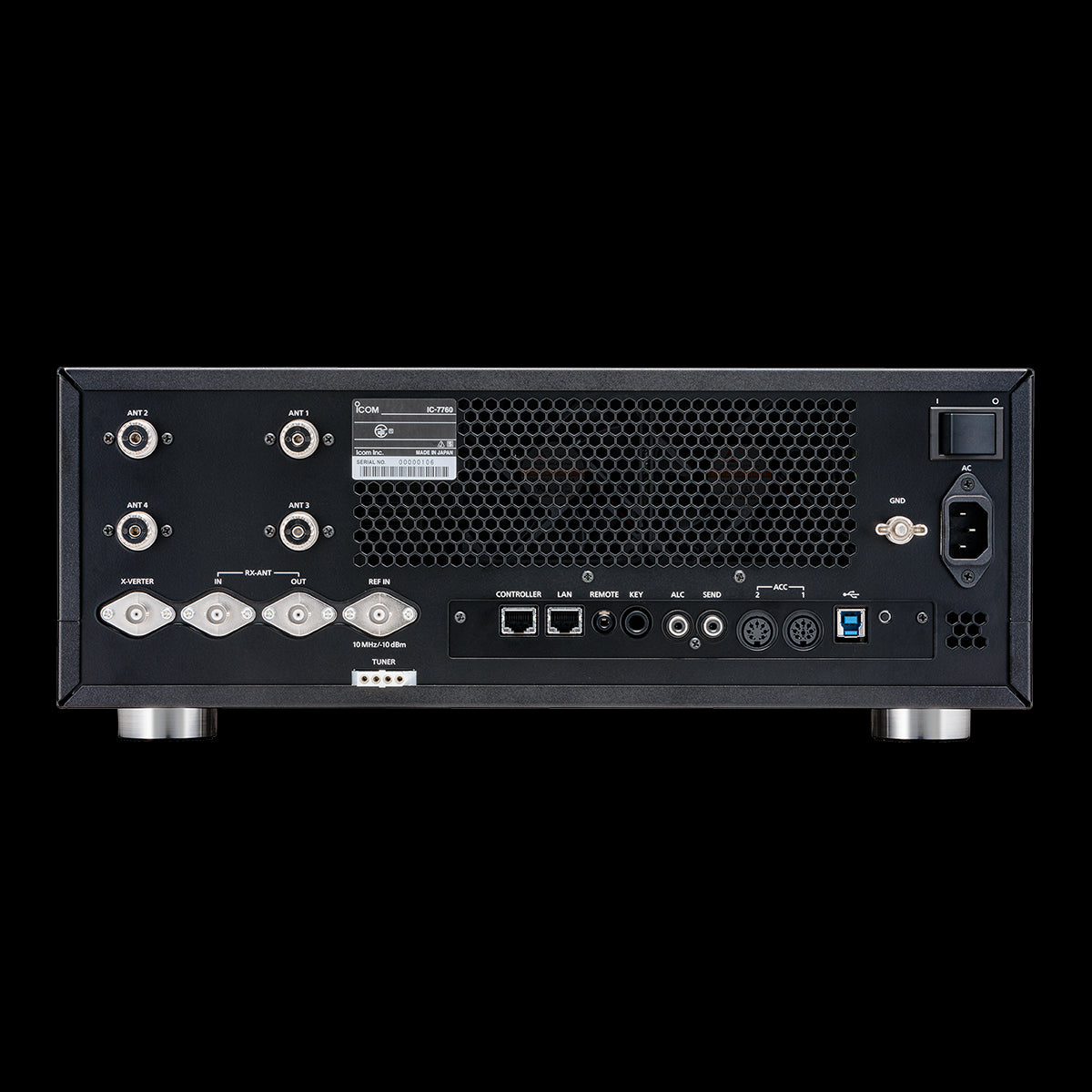
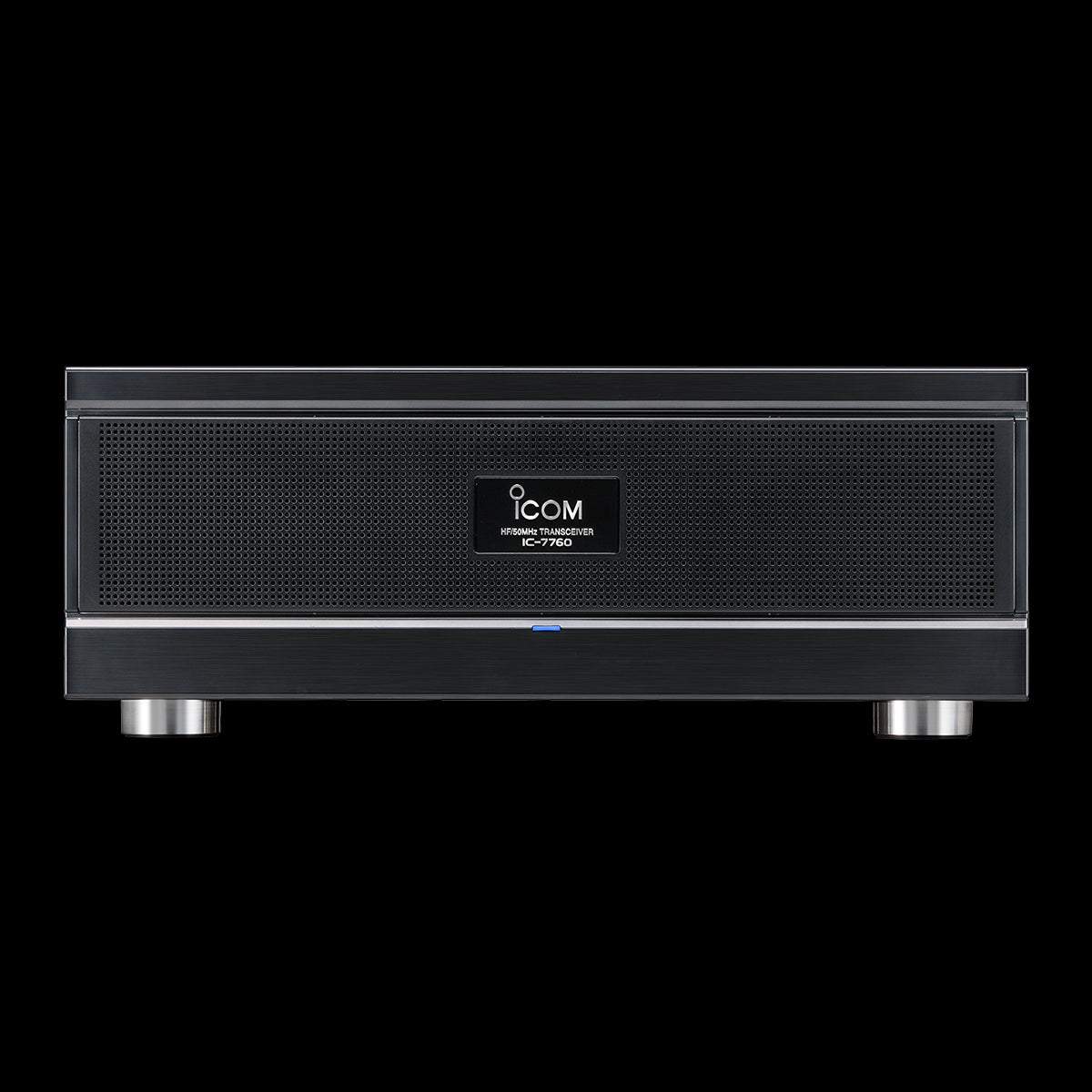
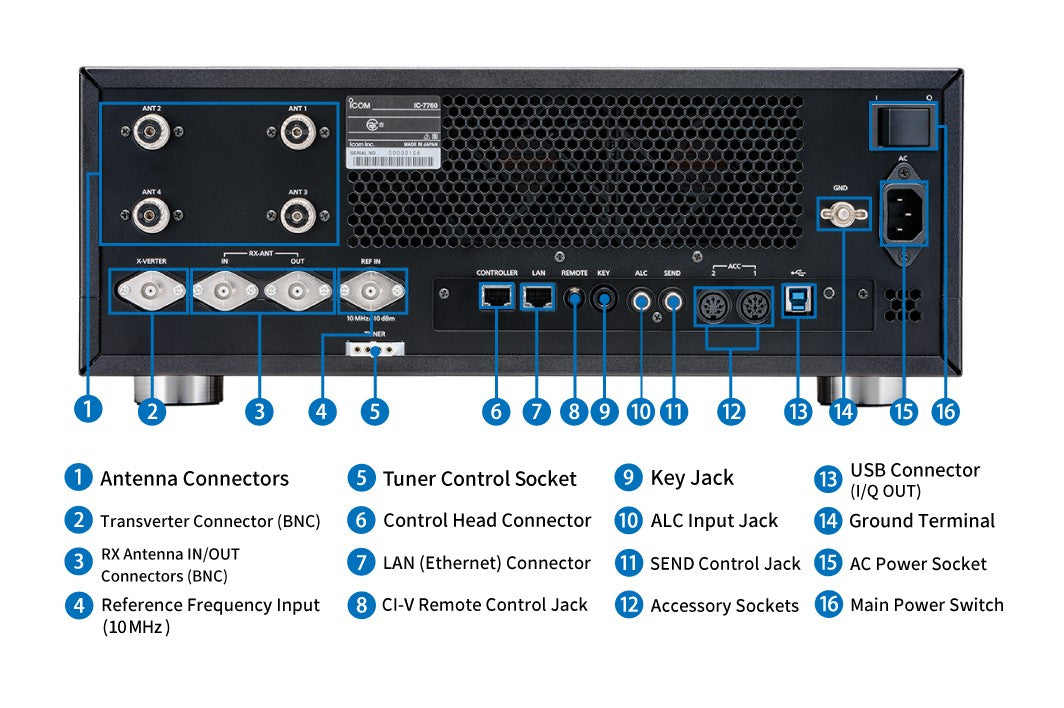
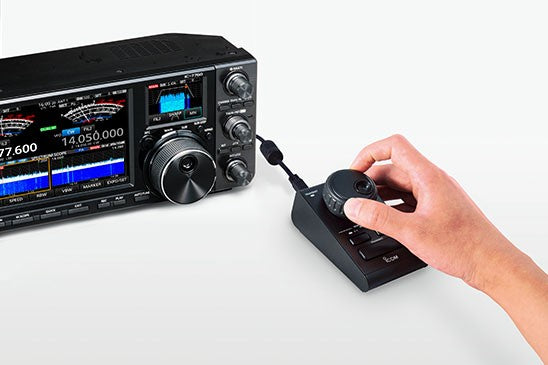
The IC-7760 is an All Mode HF/50 MHz transceiver operating in USB, LSB, CW, RTTY, PSK31/63, AM, FM with 200 Watts of RF power and a built-in power supply. In today's connected world, this new device introduces innovation with its control panel separated from the RF unit.
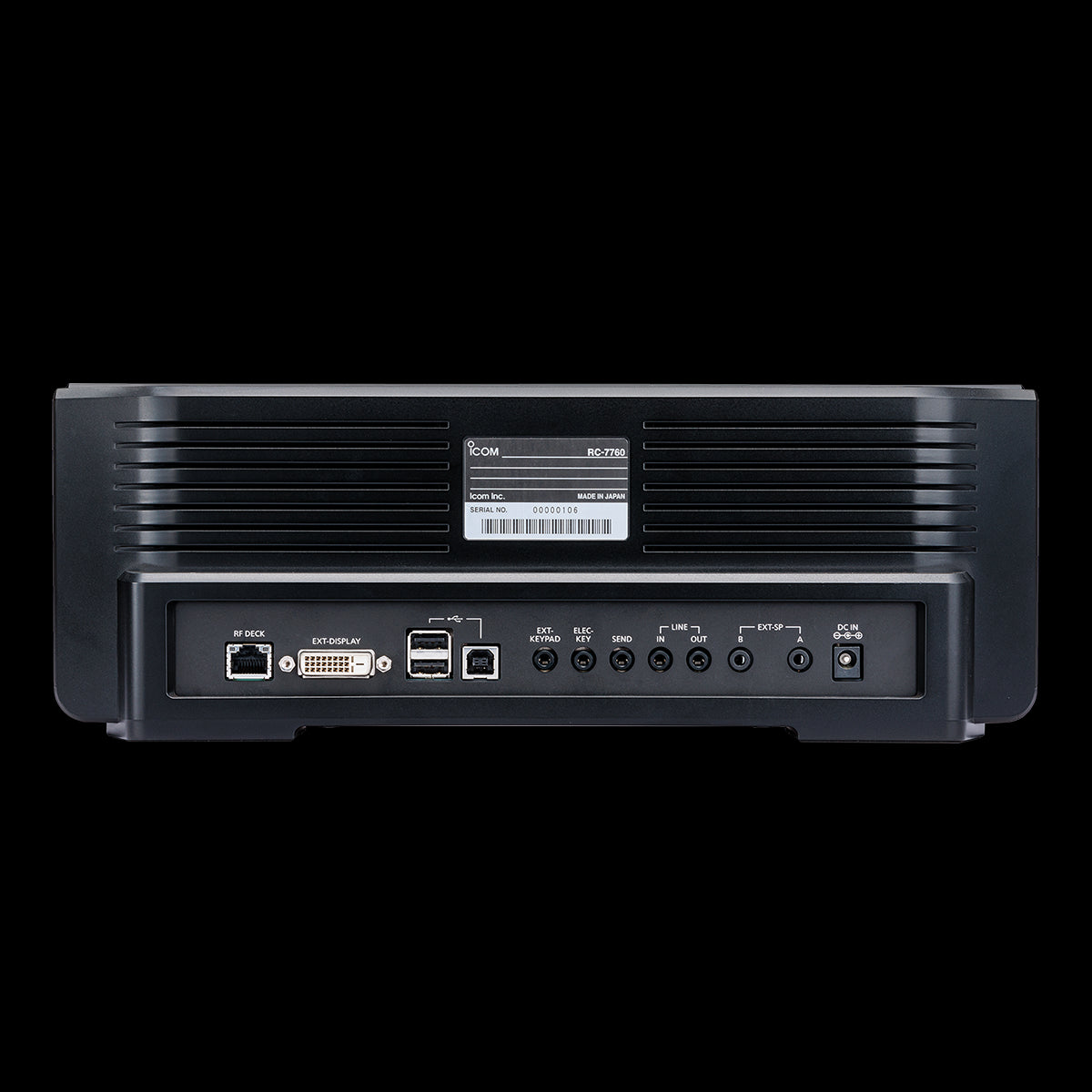
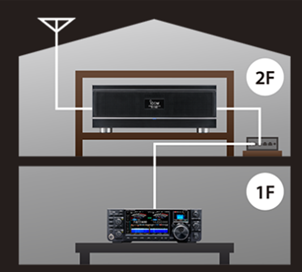
The control unit and the RF deck can be connected via the internet or a home LAN (wired or Wi-Fi®). This concept increases station installation flexibility, freeing up more desk space by positioning the RF deck closer to the antenna feed point. In addition to the direct connection function, it is possible to place the RF deck at the remote HF station and manage a complete remote control with the control unit at home.
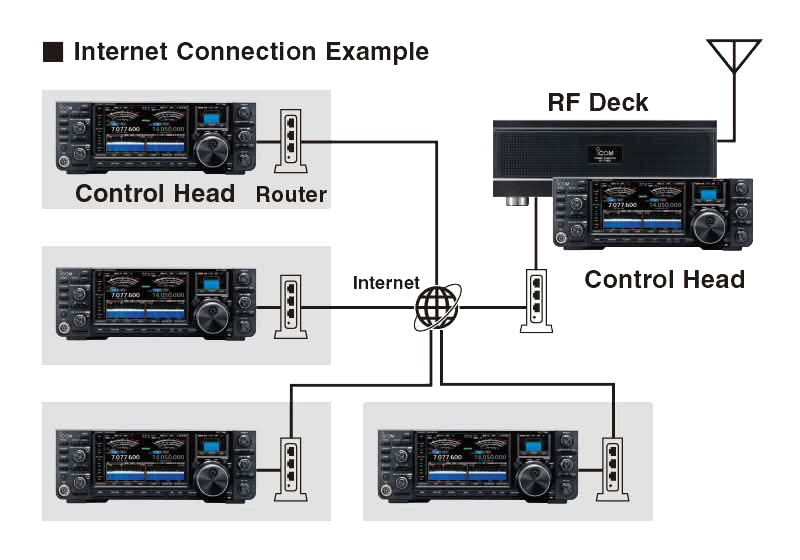
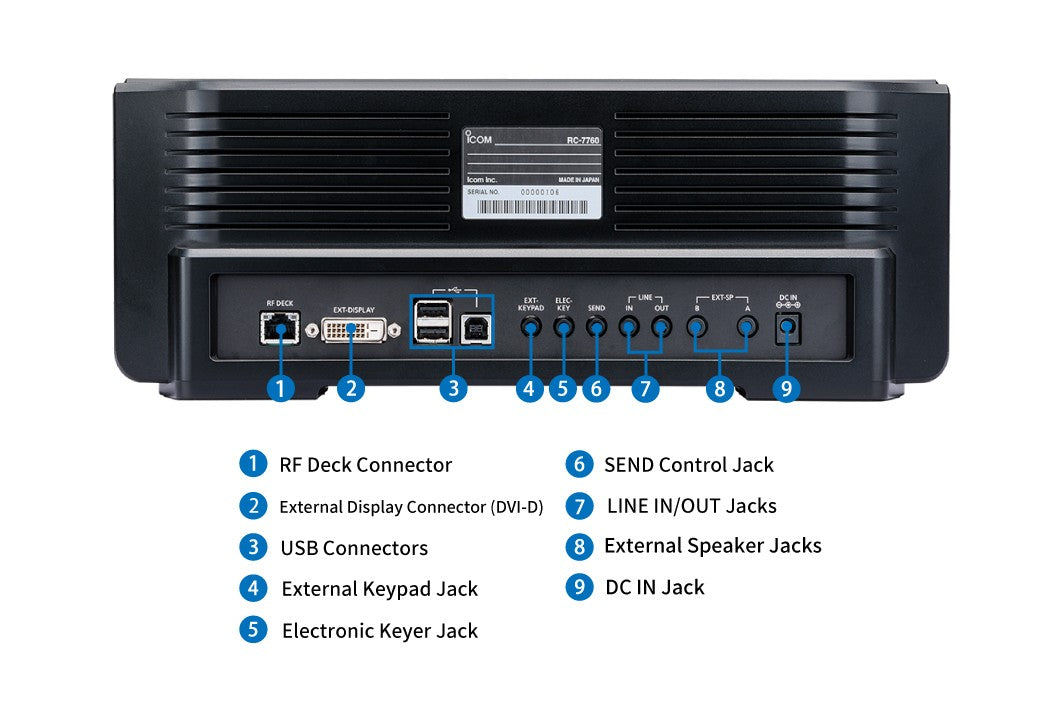
The RC-7760 control unit is available as an optional accessory.
Up to five control units can be registered to the RF unit, but only one control unit at a time will connect to the radio and can be used.
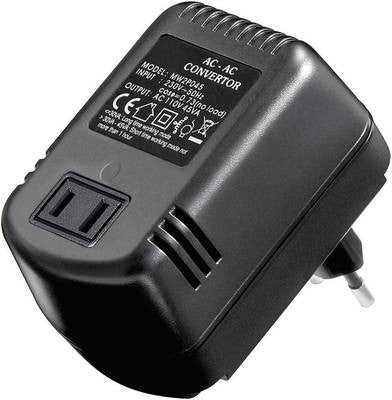
The RC-7760 comes complete with a BC-267E AC adapter.
This configuration allows the radio to be placed at your radio station and a complete remote control unit to be used at a separate location. Even with network delay or jitter, the IC-7760 adjusts the buffer to ensure precise signal transmission and CW keying. Commercially available Wi-Fi® access points can be connected to the LAN port for a wireless connection. Internet connection requires stable speeds of at least 10 Mbps between the RF deck and the control unit, and at least 5 Mbps between the control unit and the RF unit. Internet access requires a VPN connection or Port Forwarding with a global static IPv4 address or dynamic DNS (DDNS). Restrictions may apply depending on the network configuration. Brief audio interruptions may occur due to packet loss.
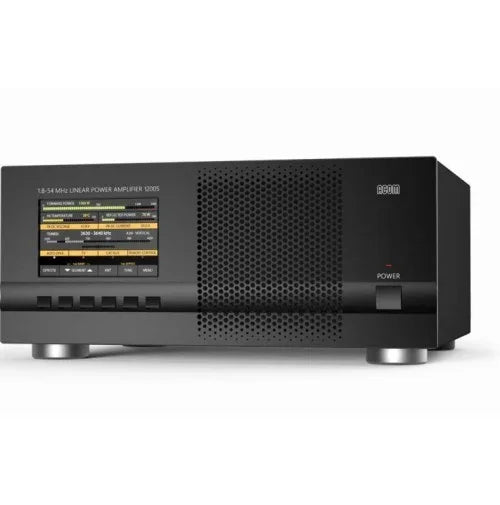
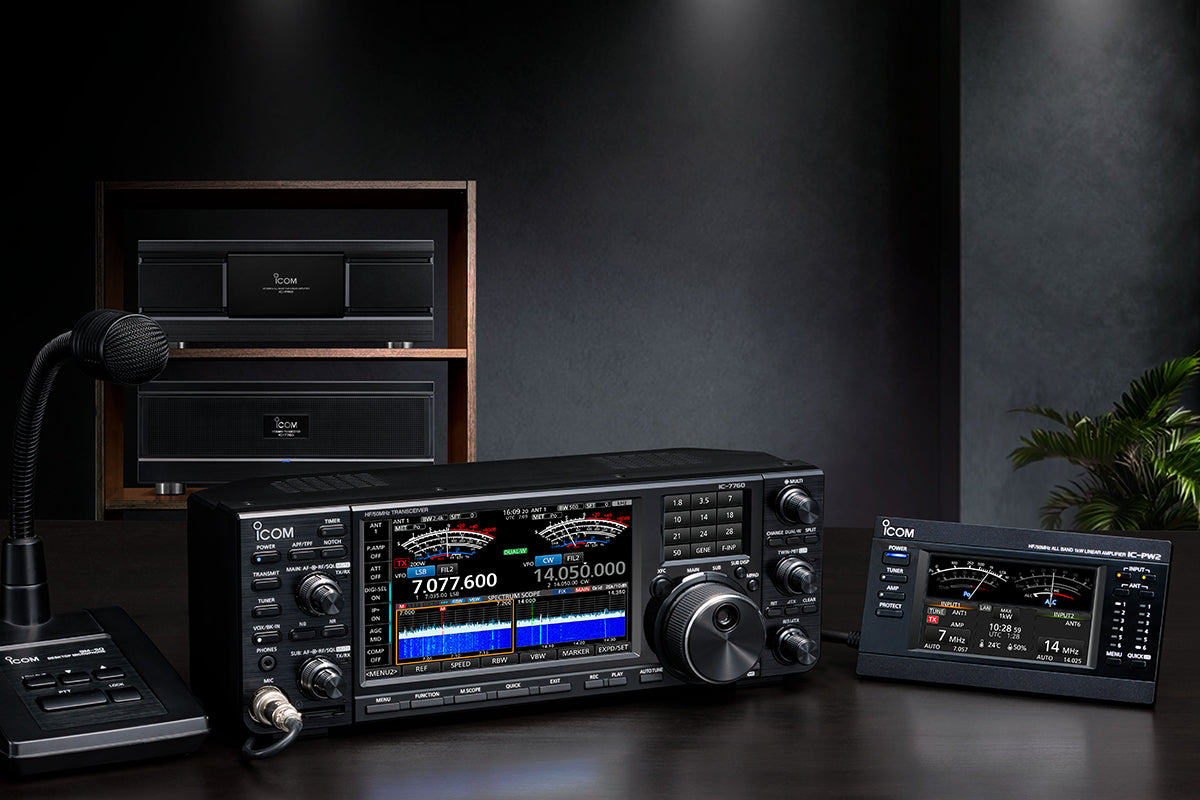
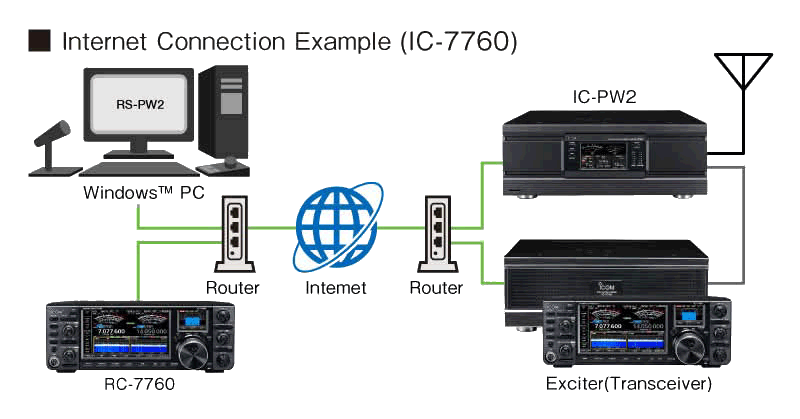
When used in conjunction with the RC-7760 controller and the RS-PW2 remote software, an advanced system consisting of an RF deck used as an exciter and an IC-PW2 linear amplifier can be remotely managed.
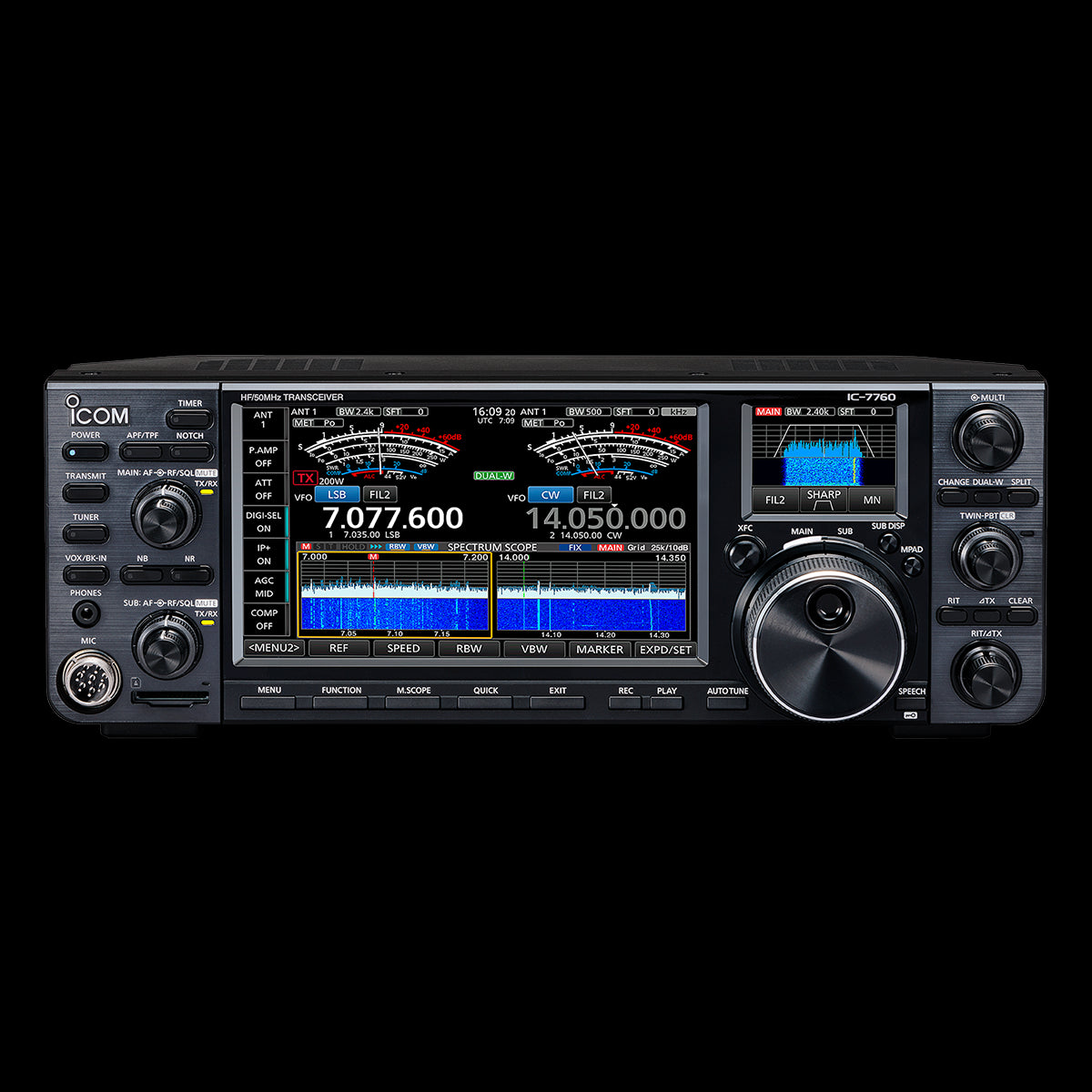
The dual Spectrum Scope allows simultaneous display of MAIN and SUB bands, enabling the operator to monitor changes in both bands.
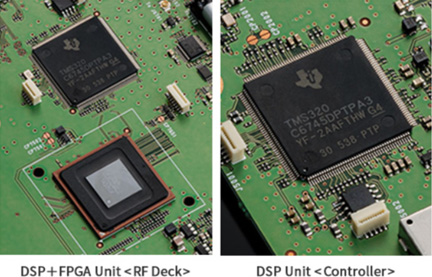
Additionally, the DSP unit employed in both the RF part and the control panel can manage complex audio path switching due to various inputs and outputs, minimizing delay in a home LAN environment.
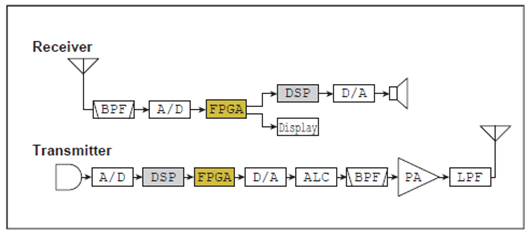
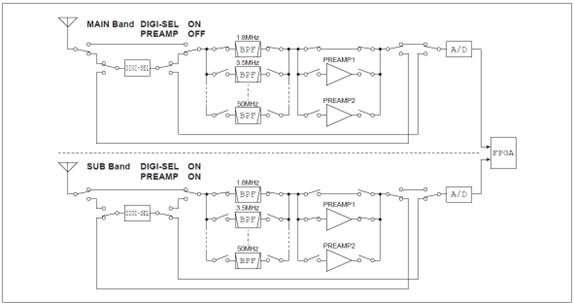
In conventional models (like IC-7851 or IC-7610), the DIGI-SEL circuit is placed immediately after the RF input (antenna) to prevent signal distortion from out-of-band interference.
Even when the preamplifier was on, the amount of noise (receiver sensitivity) could not be improved, as DIGI-SEL had insertion loss due to its narrow bandwidth.
In the IC-7760, which uses a direct sampling system, the DIGI-SEL prevents overflow (OVF) due to unwanted out-of-band signals rather than signal distortion, and the preamplifier uses the A/D converter to fully exploit its dynamic range.
When the preamplifier is on in the IC-7760, the preamplifier first enhances the intended signal, then DIGI-SEL filters out unwanted out-of-band signals. This makes it possible for the preamplifier to operate in conjunction with DIGI-SEL.
This device uses 15 separate band-pass filters (BPF) in the HF bands, which effectively attenuate any out-of-band interference and prevent overflow in the A/D converter.
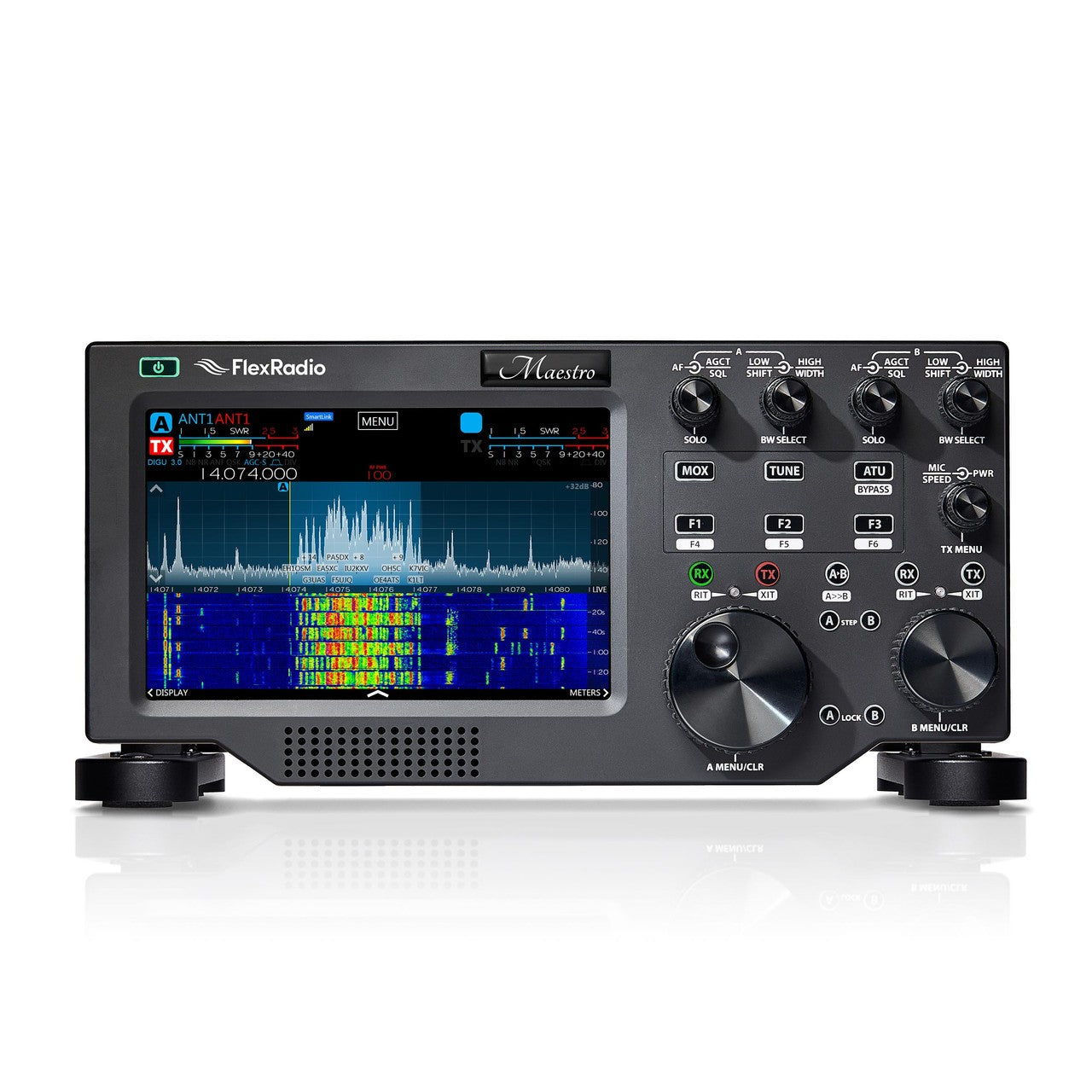
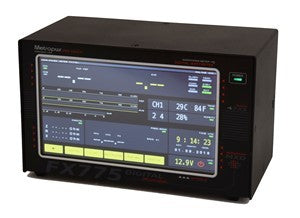
The IC-7760 features two high-resolution color touch screens.
The 7" main display shows the main information required for operation, including MAIN/SUB operating frequencies, the setting/operating status of each function, as well as the dual Spectrum Scope, S-meter, and RTTY/PSK31/63 decode messages.
The 2.4" secondary display, on the other hand, shows filter settings, various meters, and a band stacking register.
The "filter setting" screen can display the IF filter passband width and the IF filter shape superimposed on the IF filter passband signal.
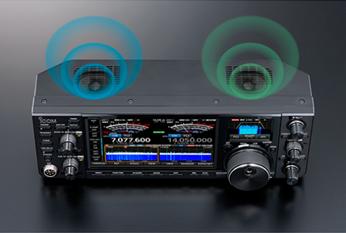
The device is equipped with dual speakers that separate MAIN/SUB audio into the left and right speakers respectively, thereby significantly improving audio during Dualwatch operation.
MAIN/SUB audio can be set for stereo or mono output from both speakers.
Thanks to the on-screen controls, it will be possible to set the various functions with simplicity and precision.
Furthermore, the use of the multifunction knob, in combination with the touch screen display, further facilitates any search and setup operation.
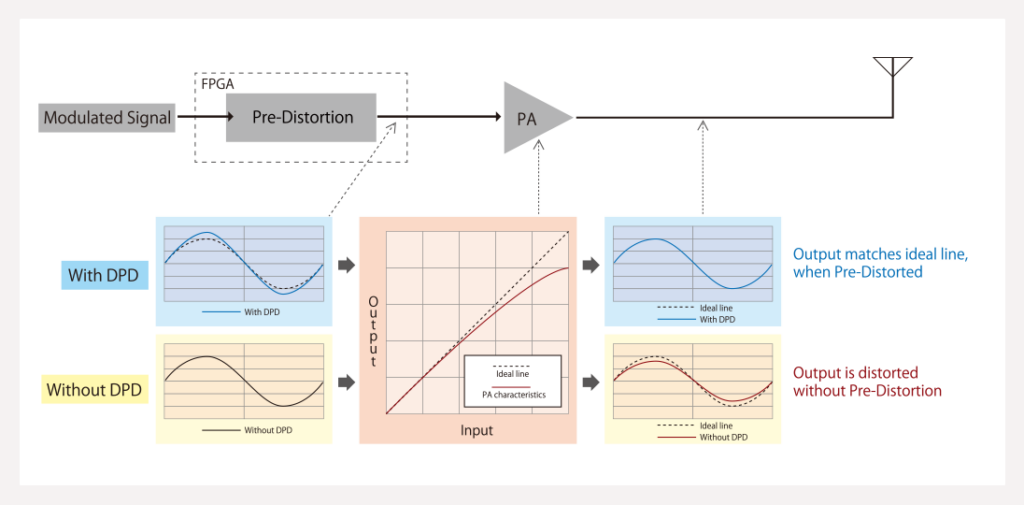
This method involves applying a correction signal to reduce the distortion component in the output caused by the non-linear characteristics of the amplifiers. Especially in power amplifiers, where non-linear characteristics have a significant impact, the input/output non-linear characteristics are analyzed and learned within the IC-7760, generating and applying correction signals to improve distortion characteristics. DPD also works at 1 kW output in conjunction with the PW-2 (for use with IC-PW2, the OPC-2501 DPD feedback cable is required).
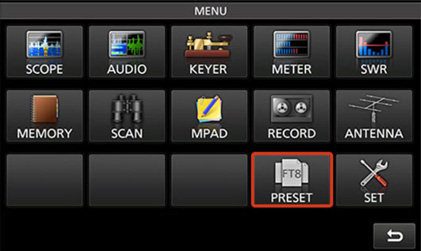
Continuous operation in FT8 mode is also possible.
Modulation and frequency conversion are performed via digital signal processing, the D/A converter directly outputs the transmission frequency, resulting in the purest transmission C/N.
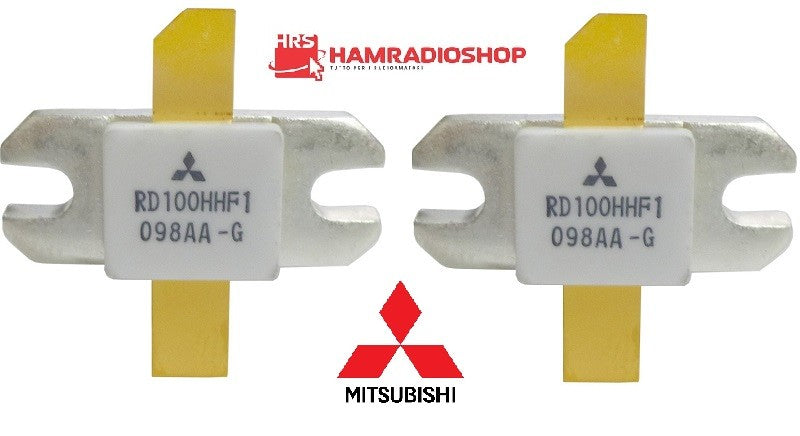
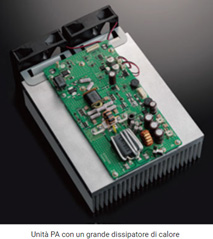
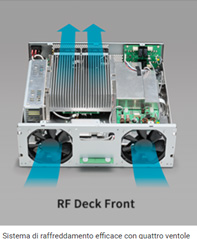
By using 450 W FET devices at 200 W output, the PA achieves excellent IMD characteristics.
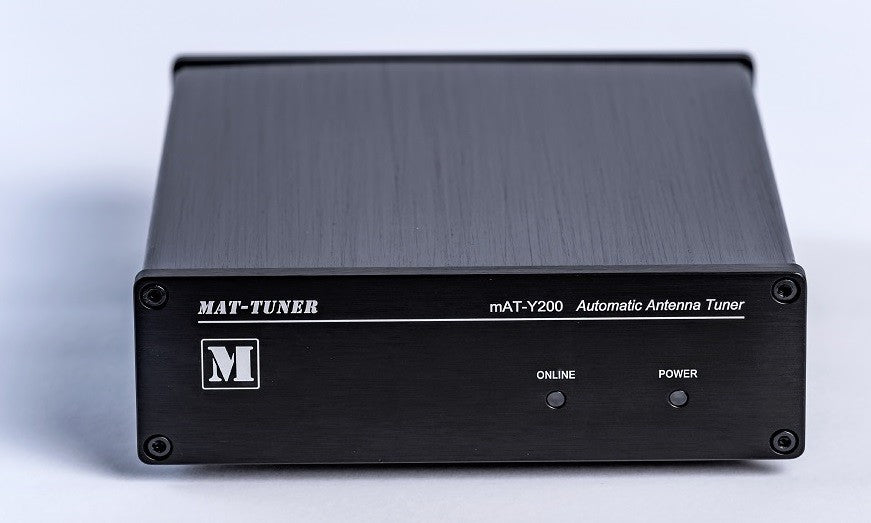
It provides faster tuning than the conventional variable capacitor type.
Once tuned, the matching information is automatically recalled the next time you select the frequency, facilitating smooth band changes and multi-band operation.Other key features include remote IP control via the optional RS-BA1 software, a microSD card slot for data storage, a DVI-D converter thanks to which various information can be displayed on an external monitor, a USB port for optional connection of the RC-28, keyboard, mouse and USB flash drive, screen saver function, automatic CW tuning, dual preamplifier, power control in all modes, 50 CTCSS tones, transmit power limit function for each band and much more.