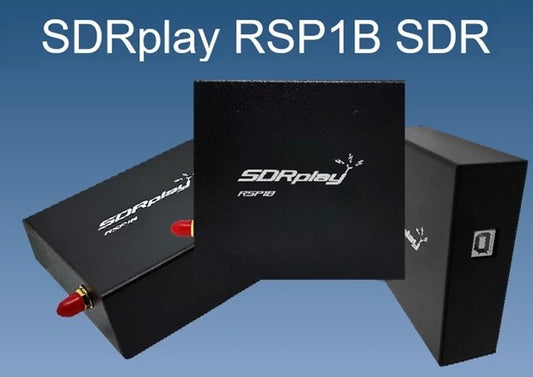








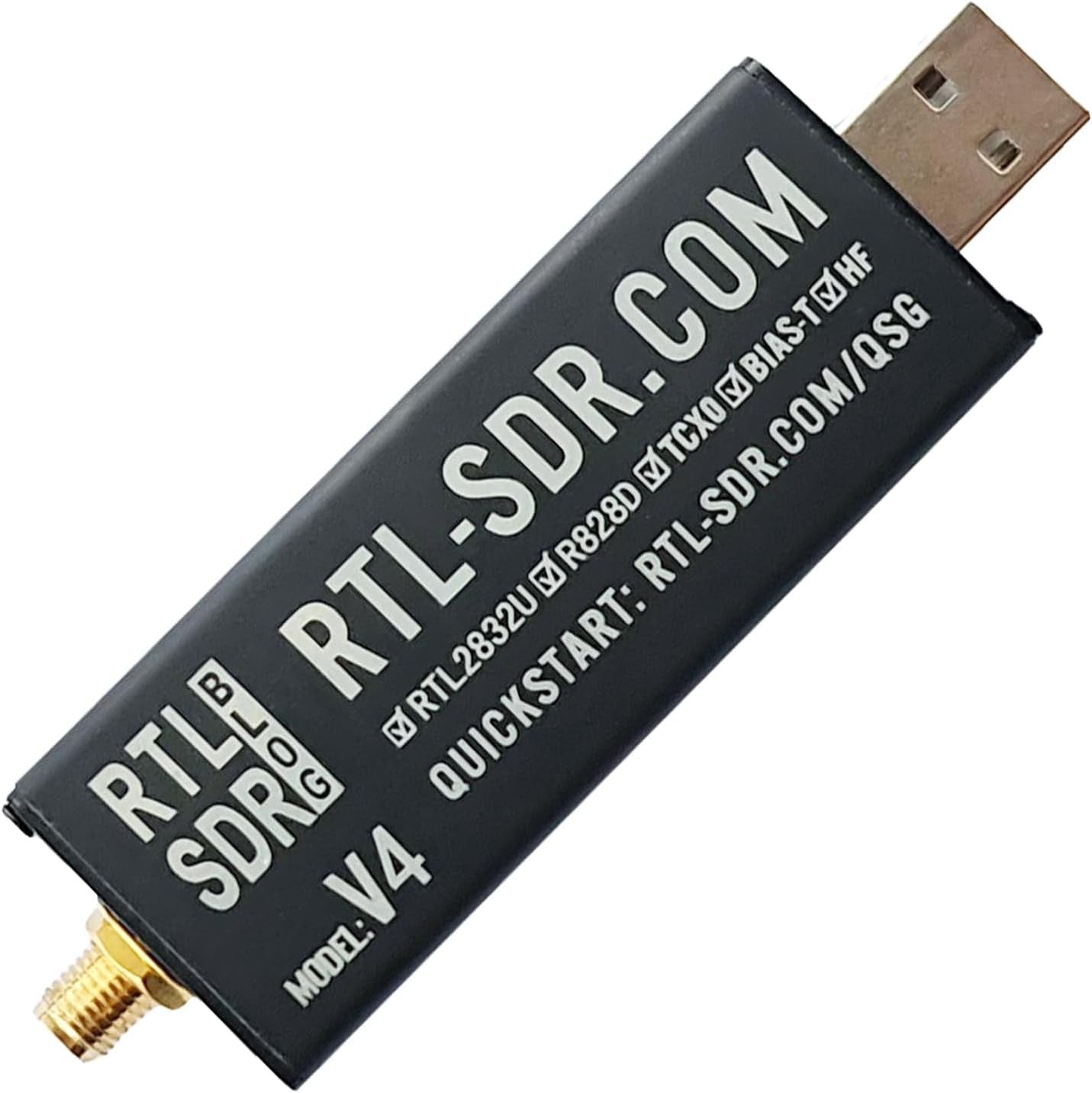


























RTL-SDR BLOG V4
1PPM TCXO SMA RECEIVER
Please note that this RTL-SDR Blog V4 model has been officially discontinued by the manufacturer. The units in our warehouse are the last ones available for immediate delivery. Once stock runs out, the item will not be restocked. Take the chance now to secure a piece of digital radio history before it sells out for good.
The **RTL-SDR Blog V4** introduces an architectural revolution compared with the previous V3. Thanks to the **R828D** tuner and an internal upconverter circuit for HF, it eliminates the old direct sampling and ghost-signal problems, offering outstanding thermal stability with a **1 PPM TCXO**, native front-end filtering and a versatile antenna package to start scanning the radio spectrum straight away.
A Universe of Radio Applications (Analogue and Digital)
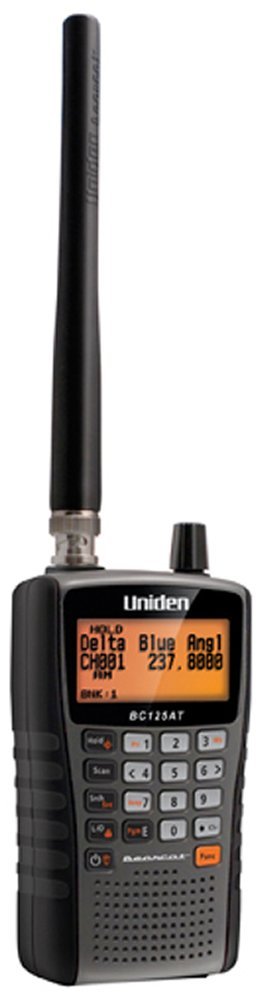
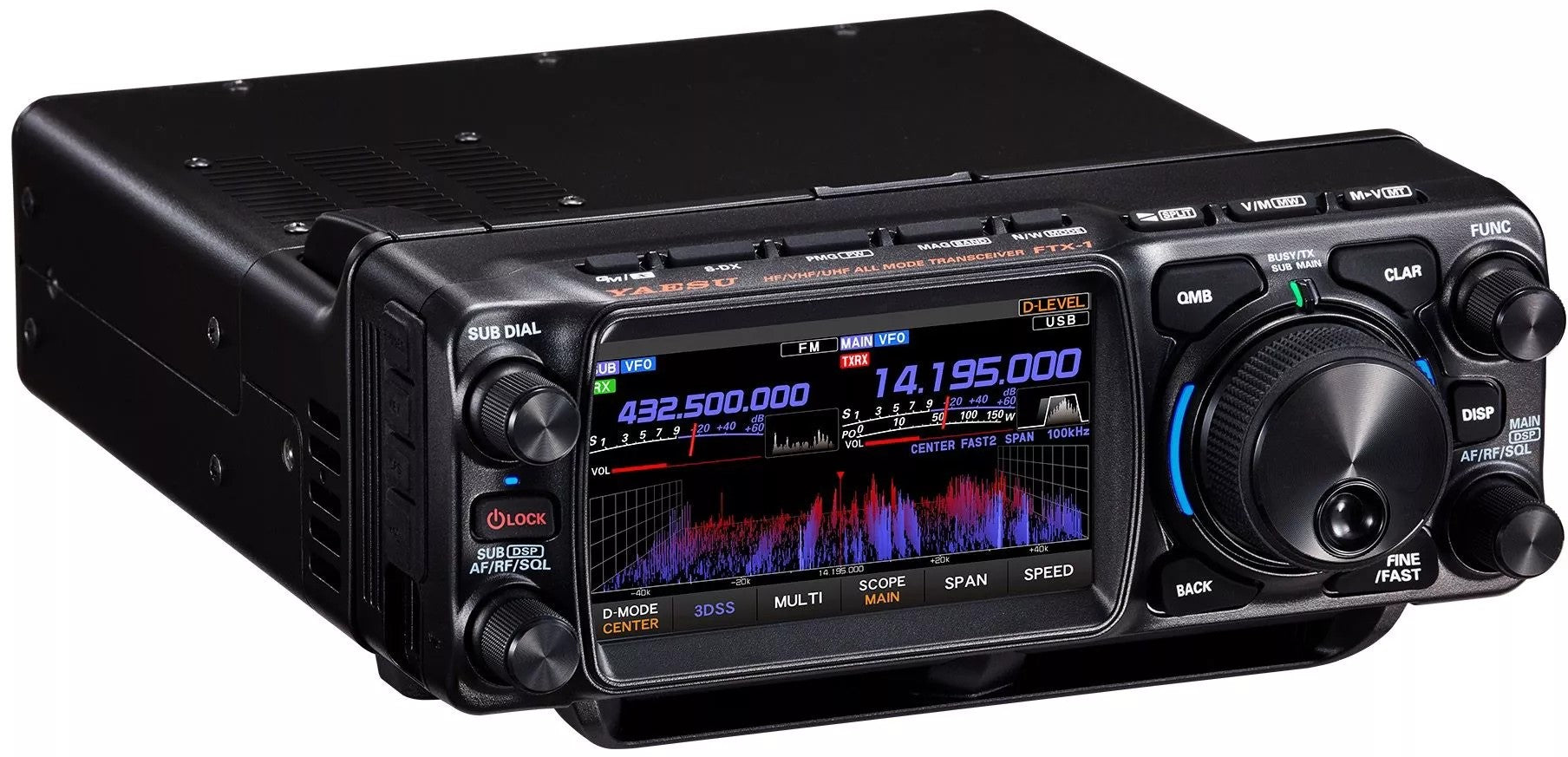
The RTL-SDR Blog V4 is the ultimate tool for broad-spectrum listening. It is perfect as a wideband radio scanner and natively supports **decoding of modern digital transmissions (DMR, dMRN, P25, dStar)** with dedicated software. It is successfully used for monitoring civil and military air traffic, public safety, **ADS-B (1090 MHz)** aircraft tracking, **ACARS** messaging, **AIS** ship tracking, weather balloon reception, **APRS** networks, **NOAA APT** and Meteor weather satellite telemetry, radio astronomy, meteor monitoring, **DAB/DAB+** digital radio reception and as a high-performance, low-cost visual **Panadapter** coupled with traditional HF transceivers.
The Major Hardware Improvements of the V4
- Much Better HF Reception: The V4 no longer uses direct sampling. It integrates an **internal upconverter** that converts HF, eliminating Nyquist folding around 14.4 MHz. The result? Exceptional sensitivity and gain control finally active on the HF bands too (500 kHz to 30 MHz).
- Front-End Filtering with Triplexer: Using the three inputs of the R828D tuner chip, the signal from the single SMA connector is split and physically isolated into three separate bands: HF, VHF and UHF. Strong out-of-band commercial broadcast stations will no longer overload the receiver.
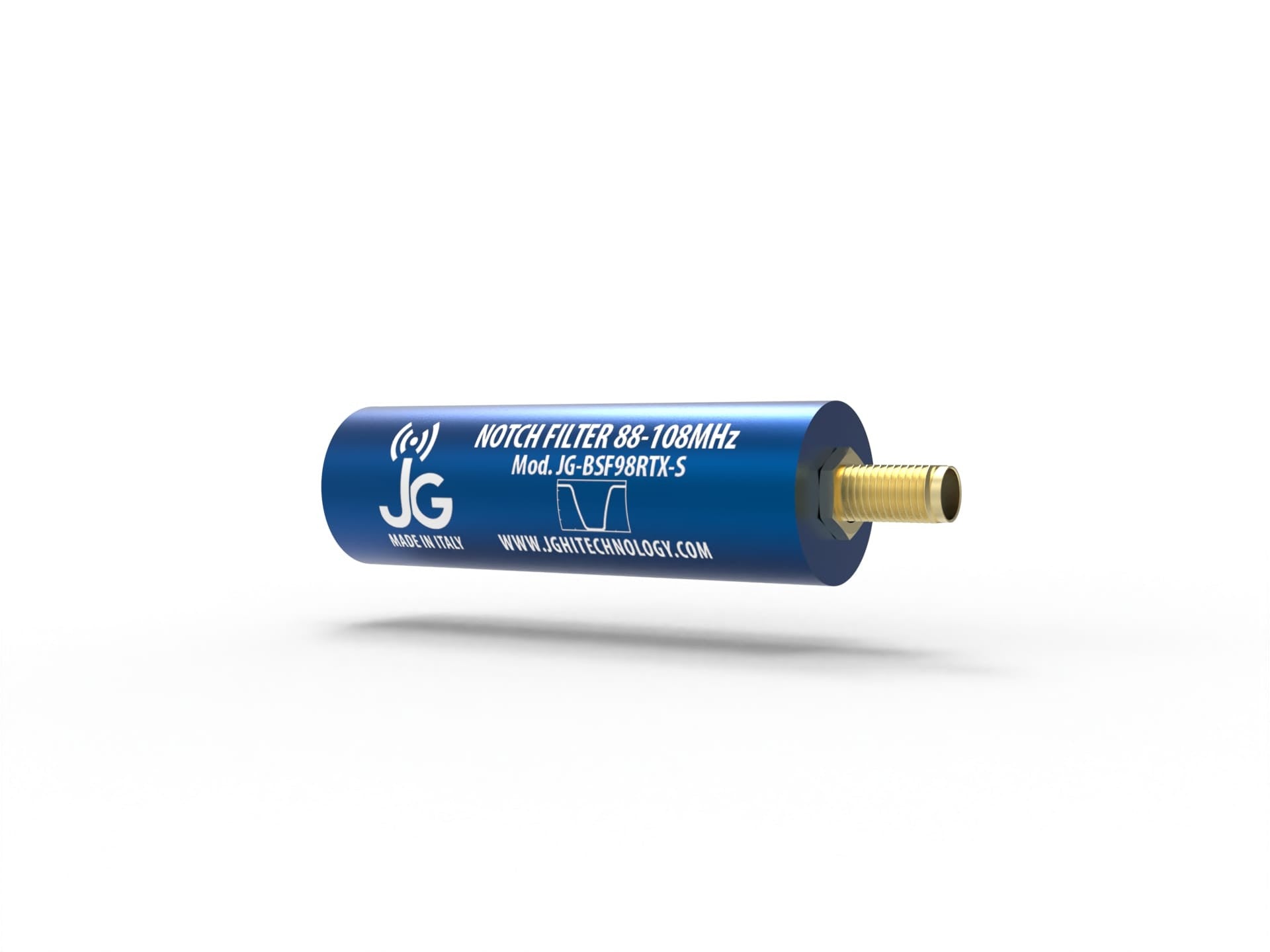
- Built-in Anti-Interference Notch Filters: Using the open-drain pins of the tuner, attenuating notch circuits have been added for the most common interference bands: AM broadcasters, commercial FM radio (88-108 MHz) and the DAB band.
- Phase Noise Reduced to a Minimum: The internal power supply section has been completely redesigned with ultra-low-noise LDO regulators, drastically reducing phase noise in the presence of very strong adjacent signals.
- Improved Thermal Efficiency: It draws less current and generates less heat than the V3. The aluminium chassis acts as a perfect passive heat sink.
- Visible Bias Tee LED: A tiny hole in the case lets you instantly check software activation of the Bias Tee (4.5V supply via the cable for LNA preamplifiers or active antennas).
Installation Guide and Usage Tips
1. Importante aggiornamento DriverA causa del cambio del chip tuner (da R820T2 a R828D), la V4 richiede l'installazione dei **driver aggiornati di RTL-SDR Blog**. Se usi software come SDR#, assicuratevi di lanciare lo script install-rtlsdr.bat per scaricare l'ultima release di rtlsdr.dll. Senza questo aggiornamento, il software potrebbe restituire l'errore "Device not found" o non sintonizzare correttamente le frequenze.
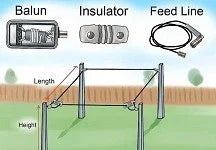
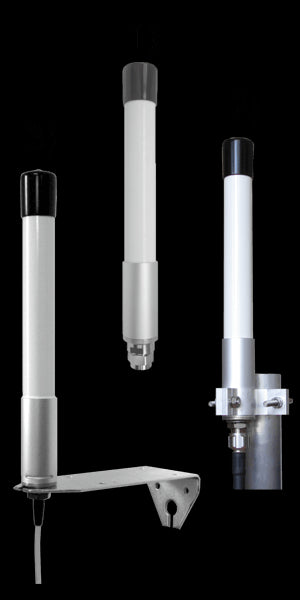
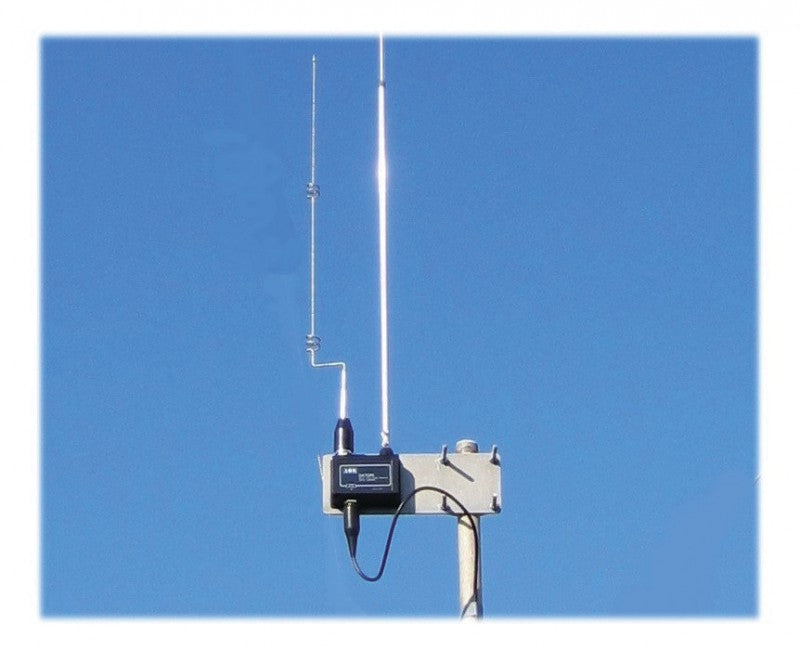
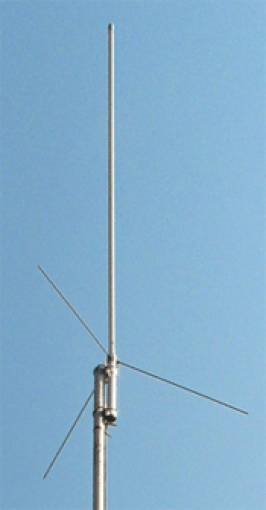
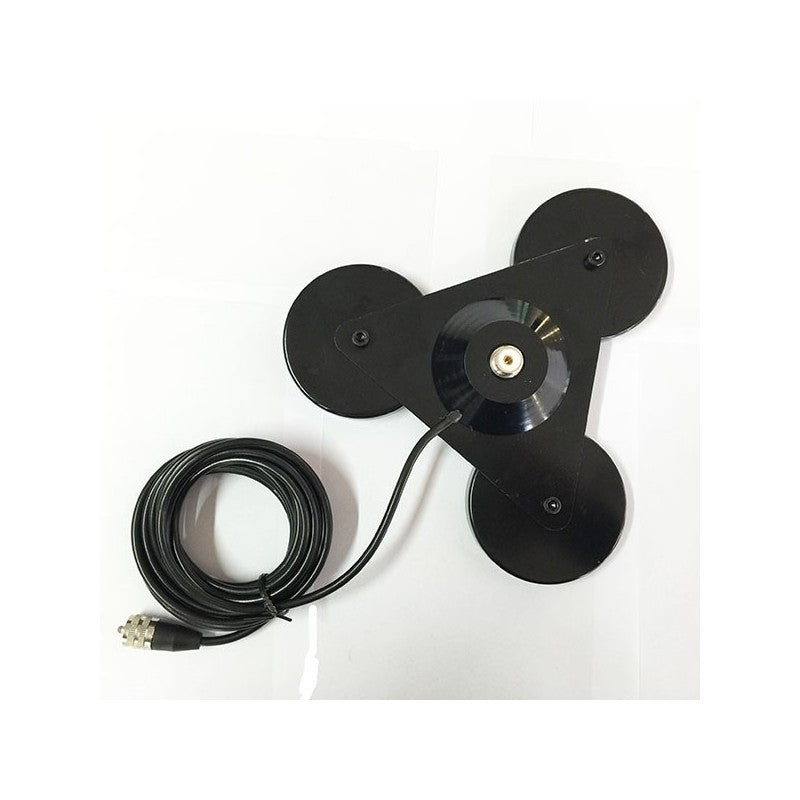
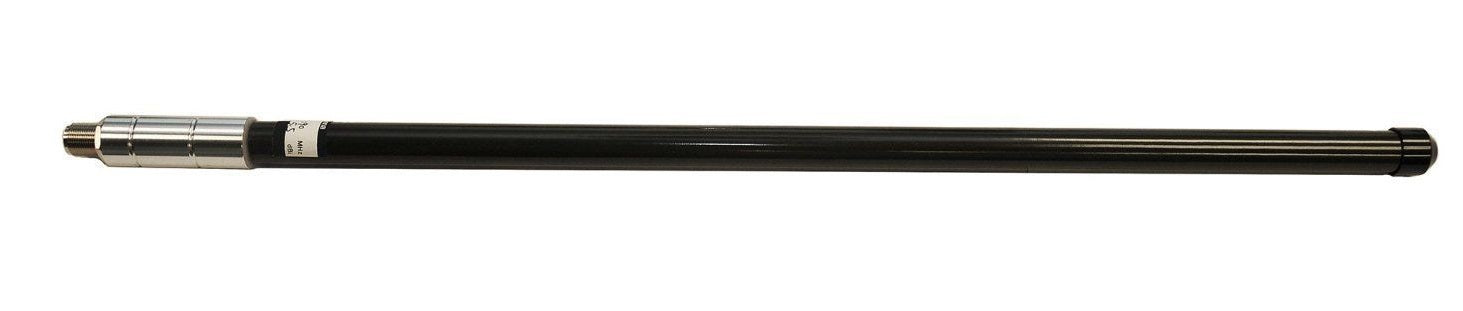
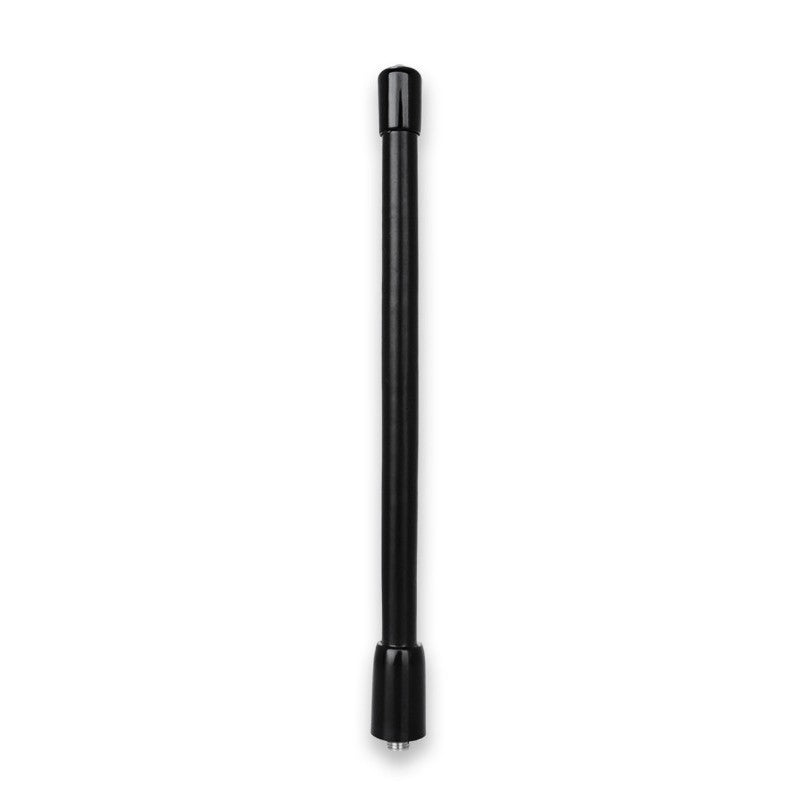
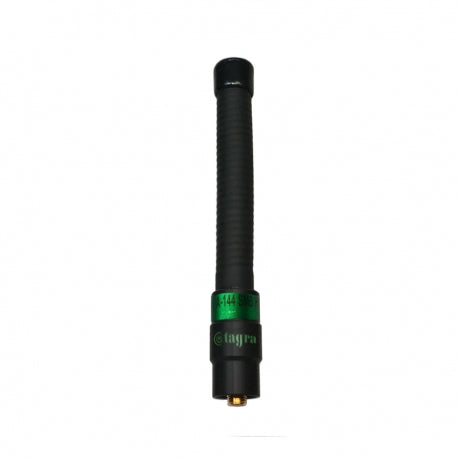
The kit includes a dipole base with interchangeable telescopic arms, a suction cup mount and an adjustable tripod. For the best reception results, adjust the length of the elements according to the frequency:
- VHF and Airband (118-136 MHz): Extend the long arms to about 53 cm each, placing them vertically (for terrestrial signals) or as an inverted "V".
- UHF and ADS-B Traffic Control (1090 MHz): Use the short telescopic elements adjusted to just 7 cm total length each, mounted vertically.
- NOAA Weather Satellites (137 MHz): Place the dipole horizontally oriented North-South, preferably outdoors or near a window clear of obstacles.
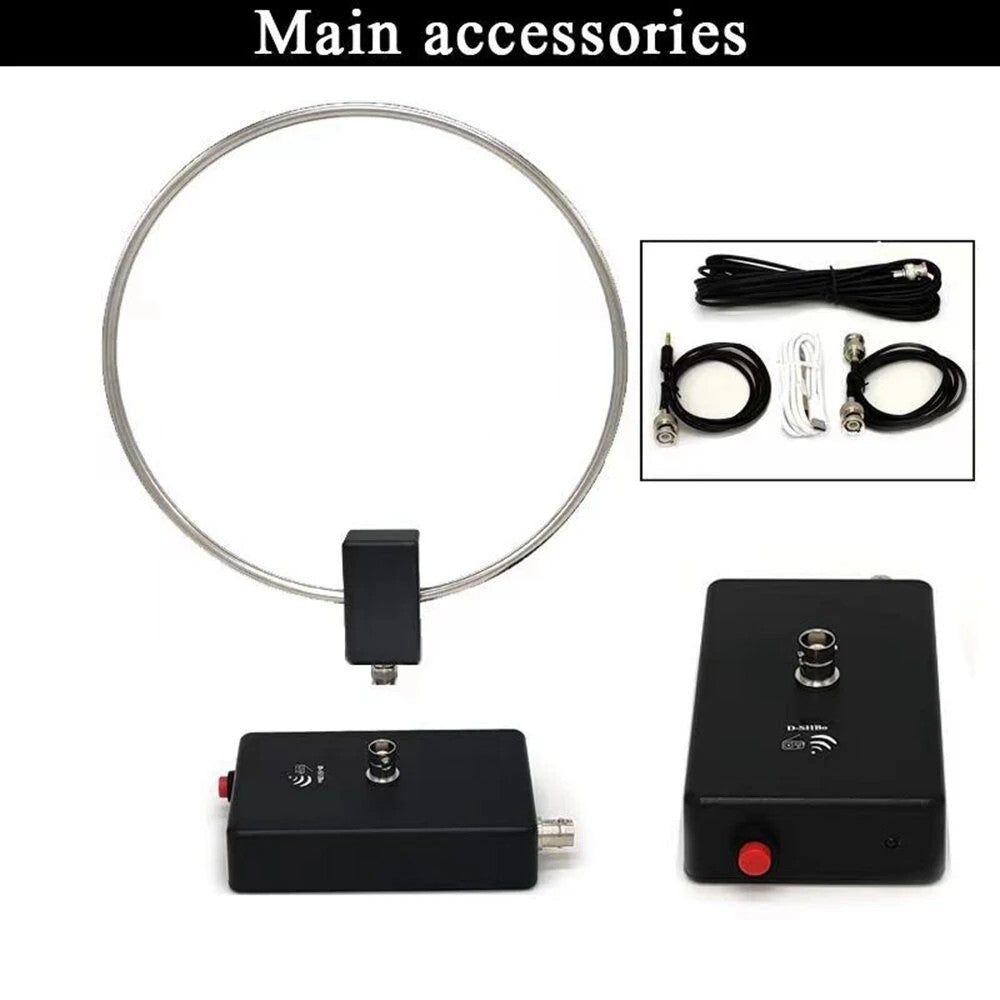
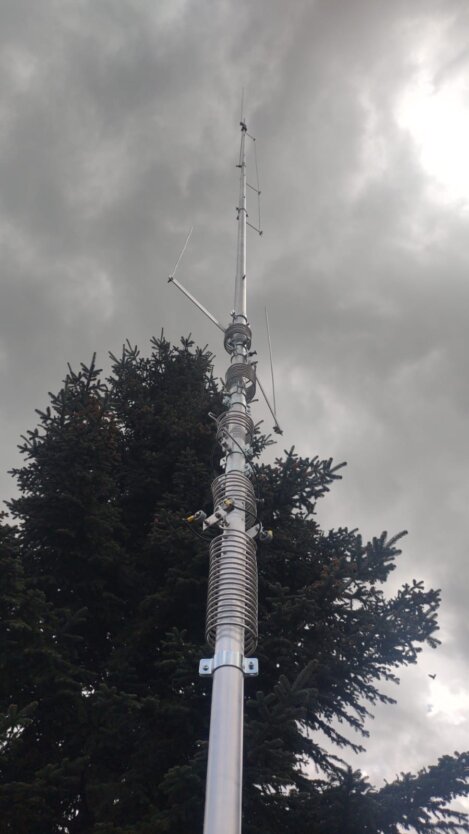
HRS tip for HF: Since the built-in upconverter natively handles the bands from 500 kHz to 30 MHz, for shortwave listening (international broadcast frequencies or HF amateur bands) we recommend connecting an external "Longwire" antenna or an active magnetic loop to the SMA input, remembering not to overdo the software RF gain to avoid overload caused by powerful local AM stations.
The HamRadioShop Team's Opinion
"The V4 release of RTL-SDR Blog represents the state of the art for commercial entry-level SDR receivers. Moving beyond direct sampling to a true upconverter radically transforms the HF listening experience, making this small dongle comparable to much more expensive receivers. Triplexer input filtering is the icing on the cake, solving the well-known overload problems of the V3. A must-buy for anyone who wants to do all-round radio listening and digital monitoring without spending a fortune."
Hardware Technical Specifications
| Brand / Manufacturer | RTL-SDR Blog (guaranteed genuine) |
| Model / Version | RTL-SDR Blog V4 |
| Operating Frequency Range | 500 kHz to 1.766 GHz |
| Internal Oscillator Stability | 1 PPM TCXO (minimal thermal drift, accurate calibration) |
| Chipset Pairing | RTL2832U ADC + Tuner R828D High-Grade |
| RF Input Connector | SMA Female (gold-plated, low impedance, 50 Ohm) |
| Bias Tee Power | 4.5 V DC, software-enabled (with status LED visible on the chassis) |
| External Chassis | Shielding anodised aluminium with passive heat dissipation design |
Filtering Architecture and Band Management
| RF Section | Architecture Type / Built-in Filter | Operating Advantage |
|---|---|---|
| HF Band (0.5 - 30 MHz) | Native active built-in upconverter | No more Nyquist folding at 14.4 MHz; software-adjustable RF gain. |
| Input Isolation | Hardware triplexer filter with 3 separate bands | Splits the SMA input into HF, VHF and UHF, eliminating out-of-band intermodulation. |
| AM Notch Filters | Attenuation filter on R828D drain pin | Attenuates distorting signals from strong medium wave (AM) stations. |
| FM and DAB Notch Filters | Dedicated filter for the 88-108 MHz band and VHF DAB | Reduces the impact of nearby commercial FM stations by several dB. |
| Power Stage | Low-noise LDO voltage regulators | Reduced phase noise on strong signals; less heat generation. |
HamRadioShop | High-Tech Digital Reception Components and Systems