















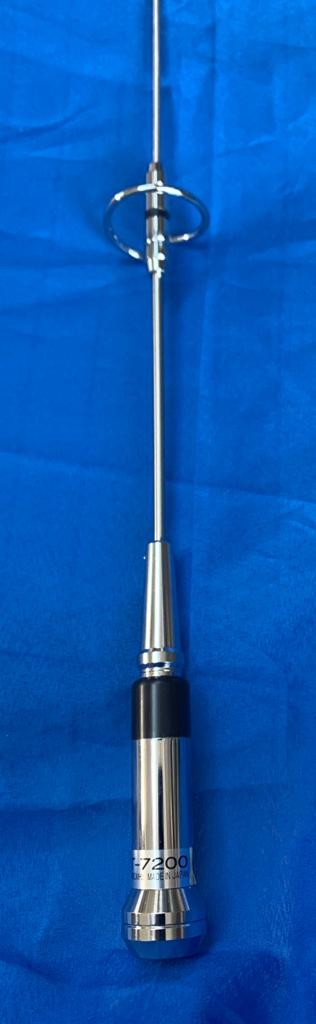


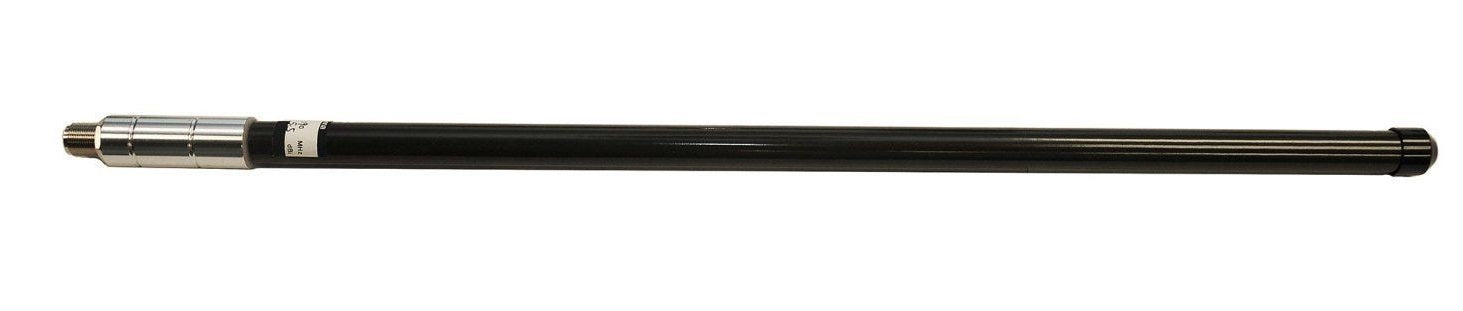
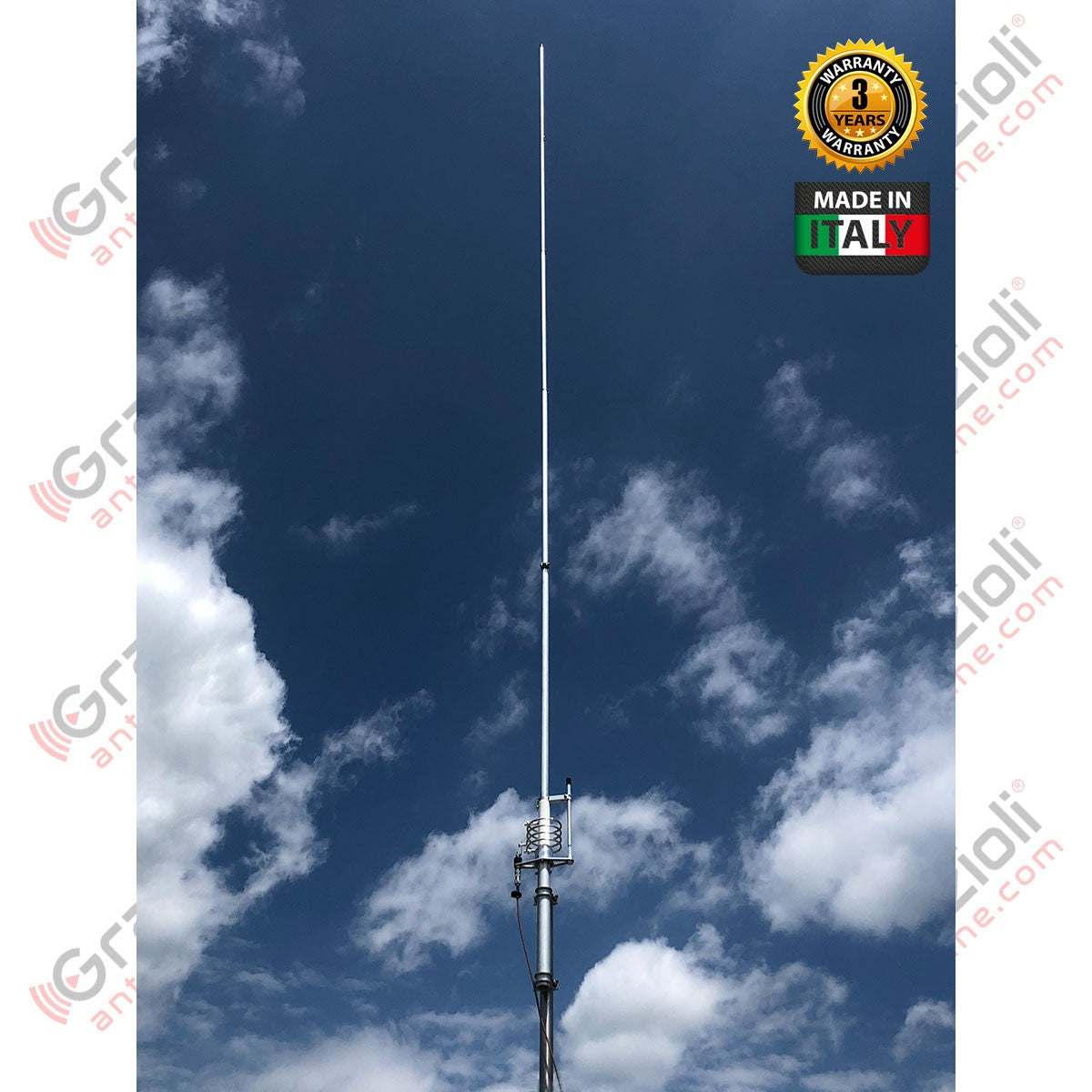













ATX-1080
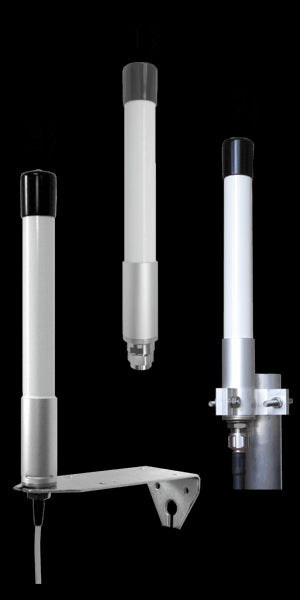
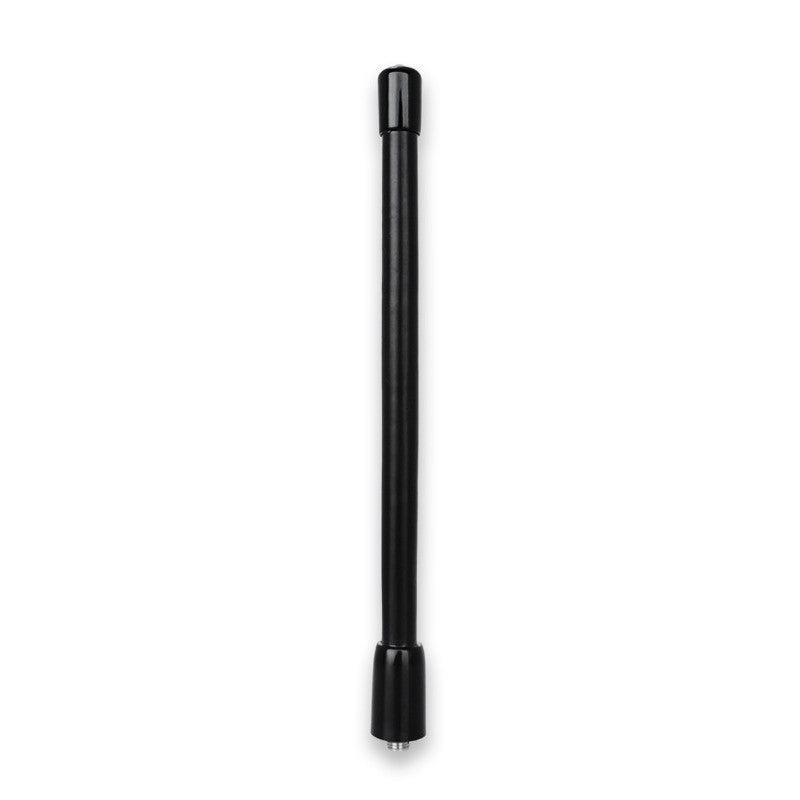
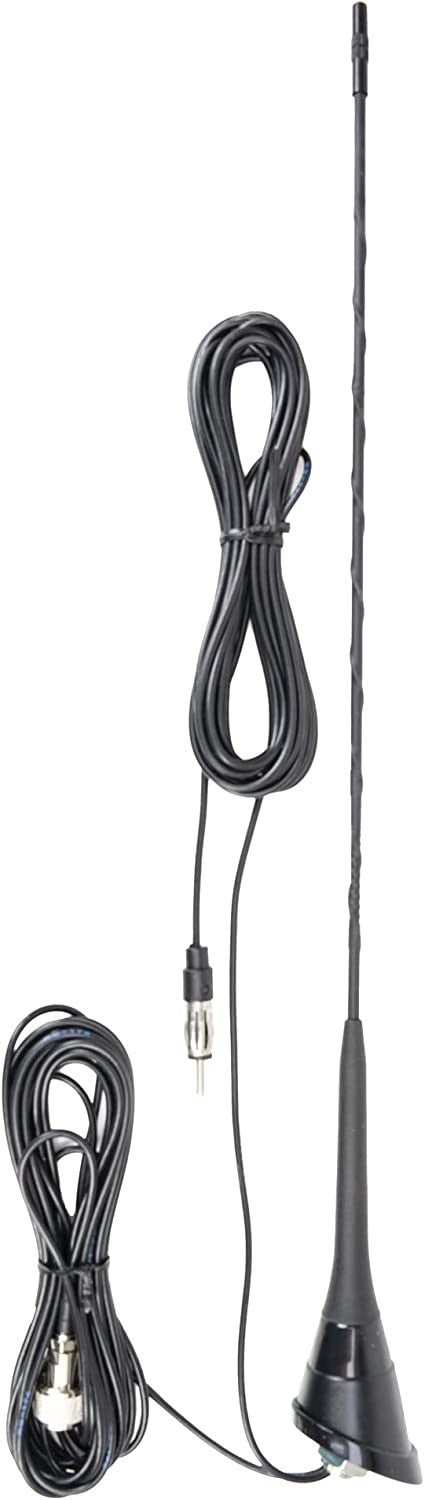
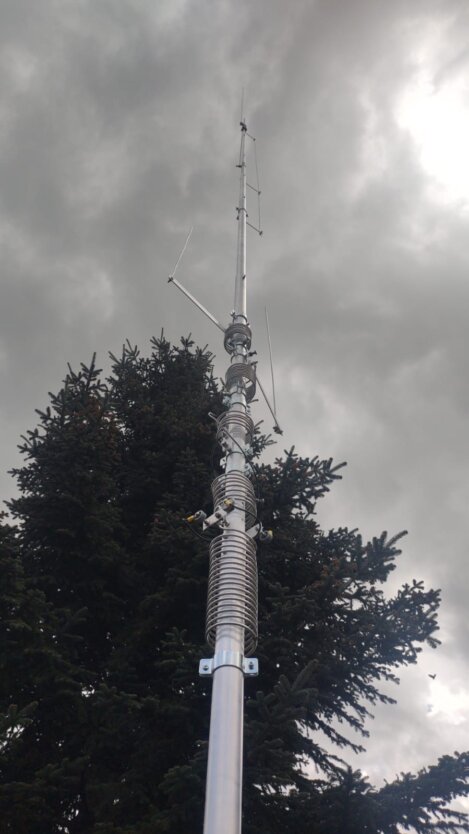
Multiband antenna for portable QRP radios for "field-day" operations
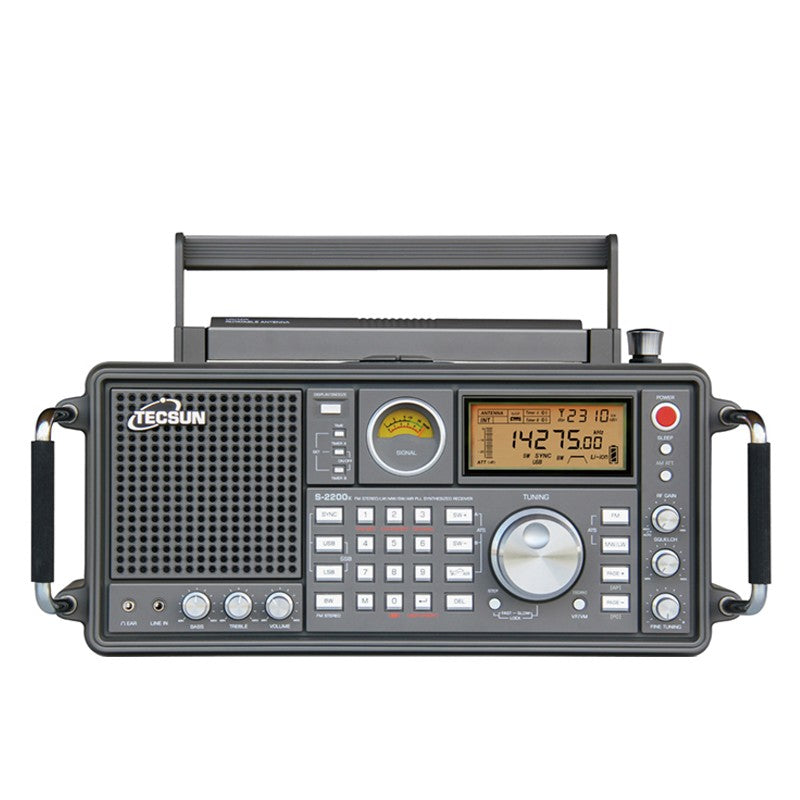
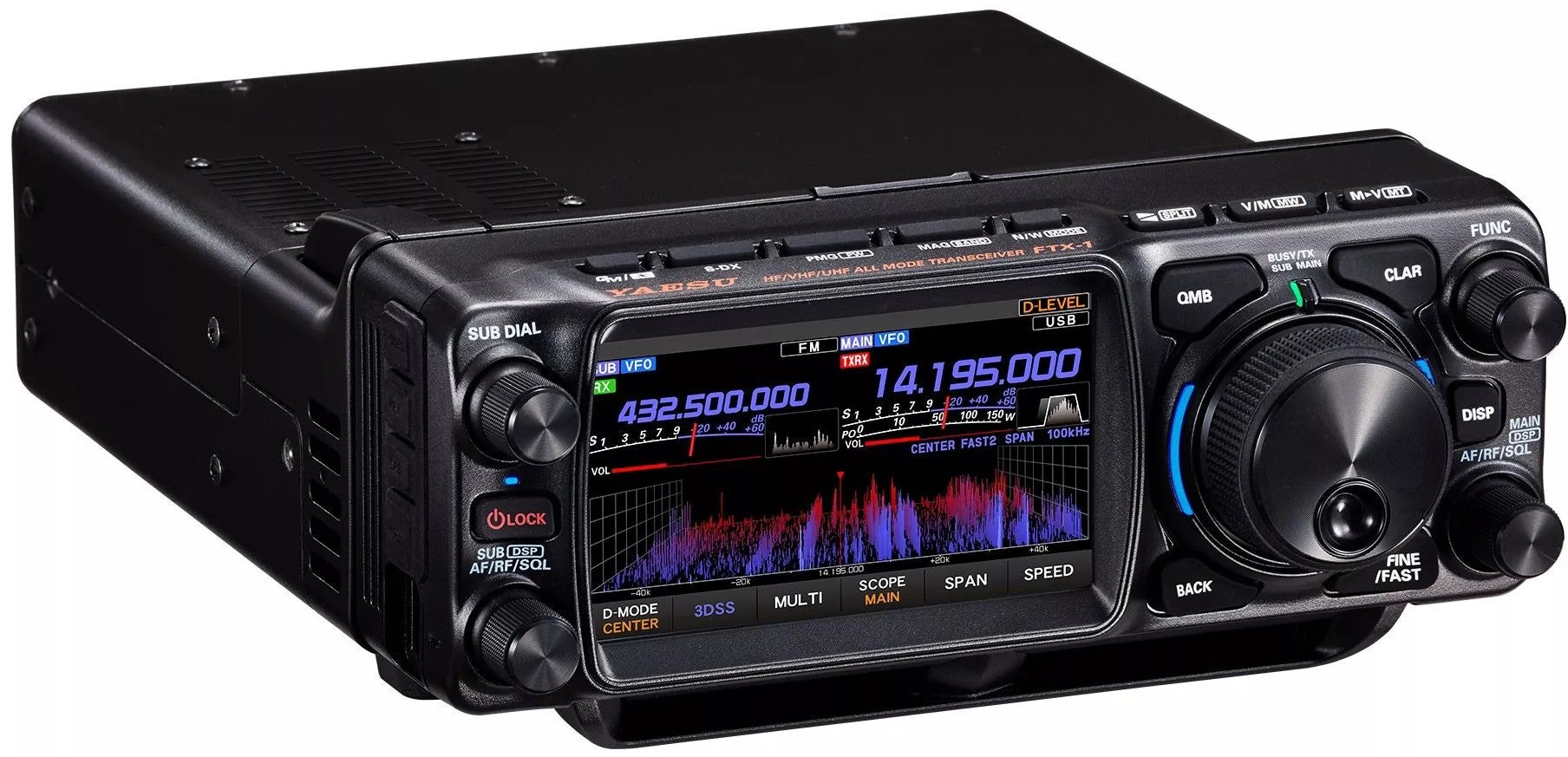
Especially suitable for radios such as Icom IC-705, Yaesu Ft-817 and FT-818, Xiegu X-5105 and G-90, Elecraft KX2 and KX3
Many portable QRP radios, such as the Yaesu FT-817/FT-818, the Xiegu X-5105 or G-90, and the various Elecraft KX2 and KX3, do not include an antenna for HF band operation. One of the first products introduced to solve this problem was the ATX Walkabout antenna. The antenna is believed to be a Mizuho design, manufactured under license for Waters and Stanton by Sandpiper Antennas in Wales. Alternatives that promise miracles have since appeared, but the ATX Walkabout is still the best portable whip antenna for the 817, as well as being the least expensive.
Today we are reintroducing it as ECO ANTENNE with its original name ATX-1080
Description
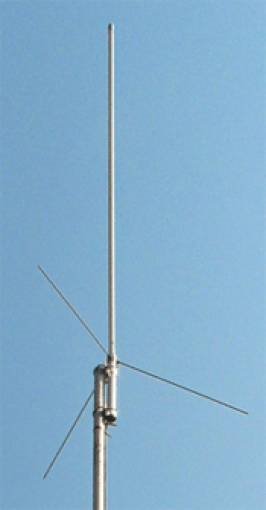
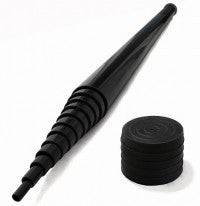
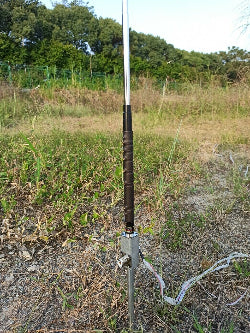
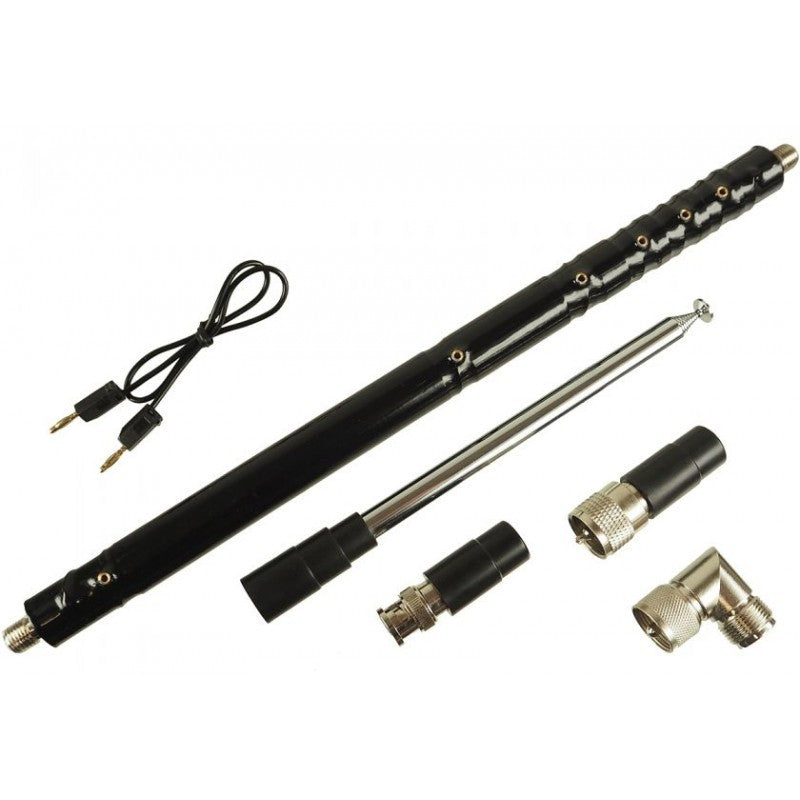
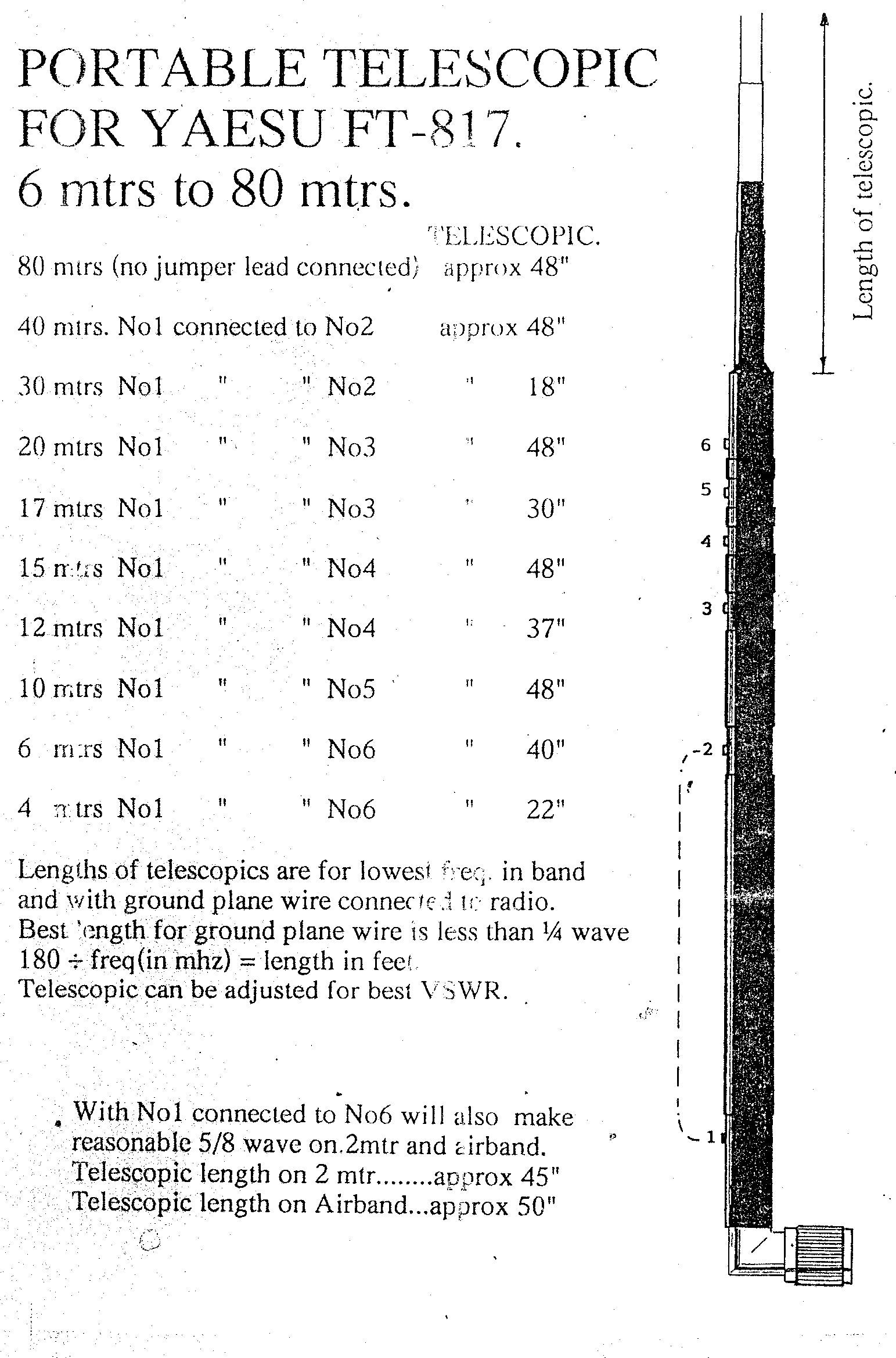
The ATX-1080 is a base-loaded whip, a conventional and proven design used in many mobile antennas. The base loading coil has taps for the main amateur bands, from 80 to 6 m. Resonance is achieved by selecting the appropriate tap (in effect shorting out the lower part of the loading coil) and then fine-tuning by extending or shortening the telescopic whip. A ground or counterpoise is required to obtain a good match and achieve the best radiating efficiency.
A disadvantage of the ATX-1080 design is that the WARC bands do not have their own dedicated taps. Instead, they are tuned by selecting the next lower band and reducing the length of the whip. This results in a whip length of about 40 cm on 30 m.
The ATX-1080 can also be used on 2 meters. The instruction sheet states that it makes a "reasonable" 5/8 wave on 2m.
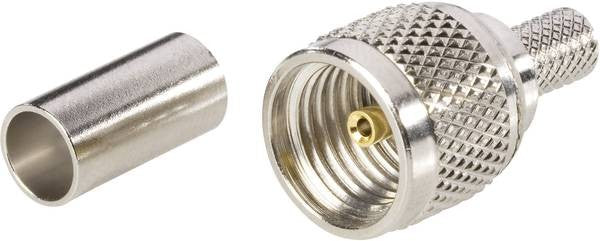
The original AT-1080 had a BNC plug for mounting on the front panel socket of the 817. However, the BNC on the front panel of the FT-817/FT-818 is not designed to withstand the stress that this antenna can cause.
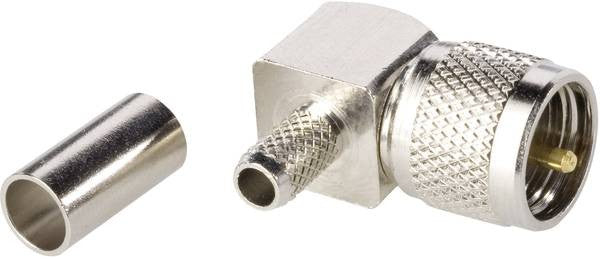
A version with a right-angle PL-259 plug to fit the rear antenna socket was later introduced. This is a mechanically improved solution.
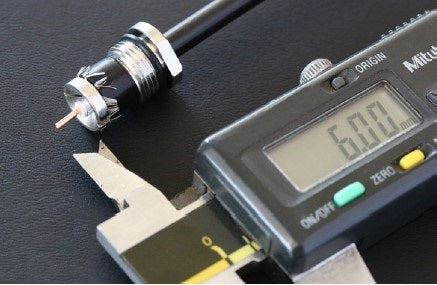
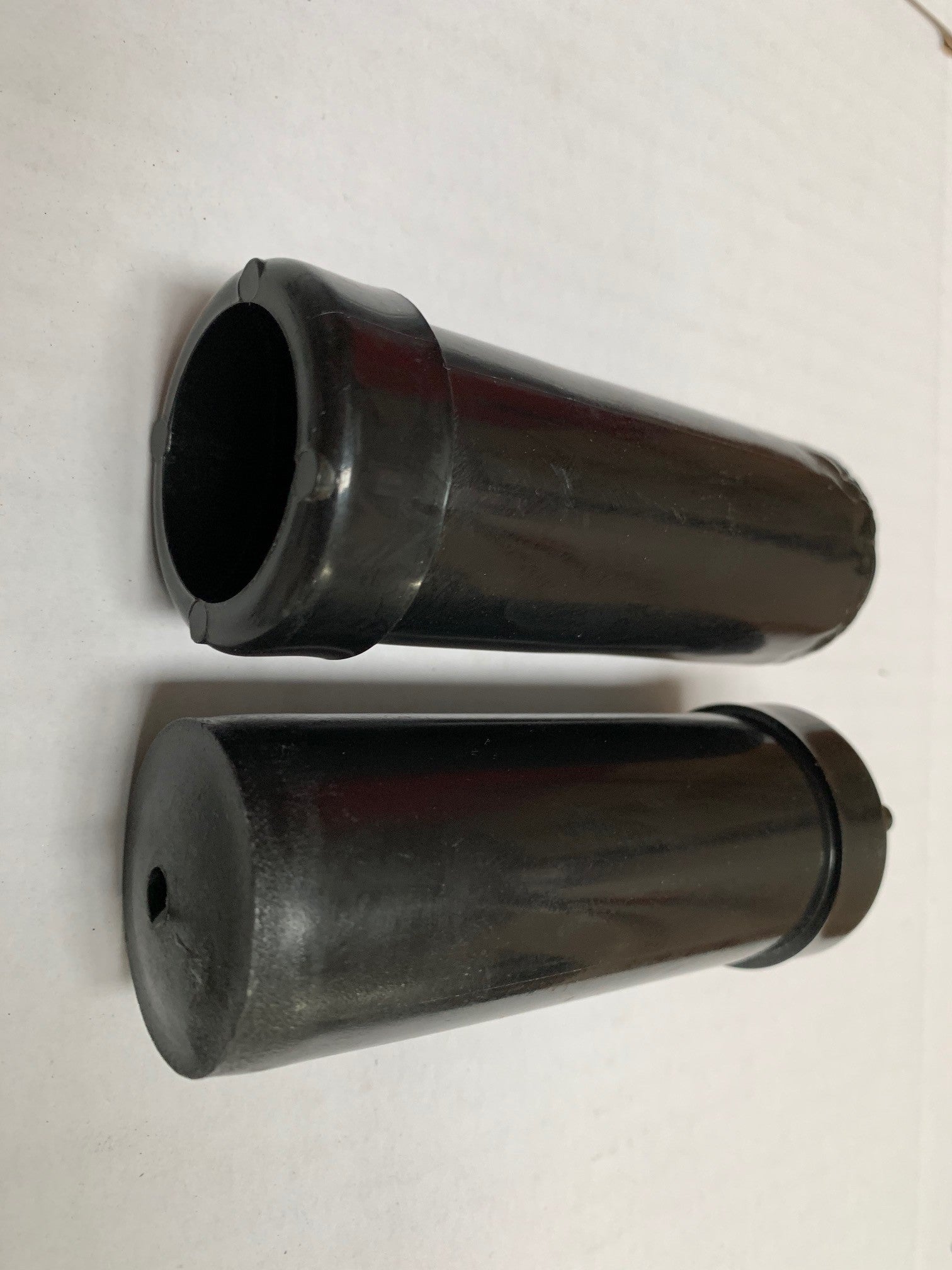
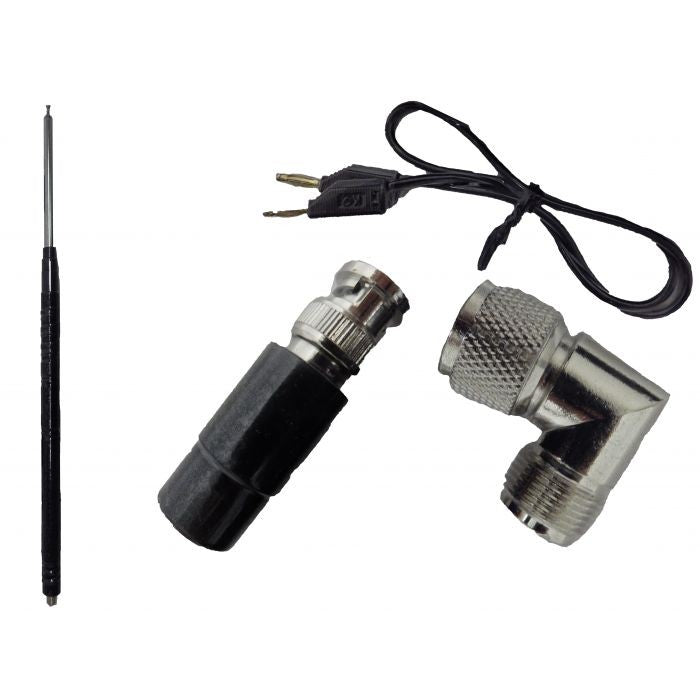
The latest Mark II version of the ATX-1080 has a 3/8" screw connector as standard and comes with a series of adapters that allow it to be converted to an in-line BNC fitting, in-line PL-259 or right-angle PL-259.
Counterpoises
To operate effectively and present a good match to the transceiver, the AT-1080 must be used with a counterpoise of an appropriate length for each band. To facilitate quick setup, follow the table below.
Although the nominally correct length for a counterpoise is a quarter wavelength, it should be noted that the optimal counterpoise length depends heavily on the antenna situation, how close it is to the ground, and what other grounding (such as power cables) is present. The effect of whip length on resonant frequency is also very strong. Therefore, you will likely find that different values work best for you. This also explains the differences between this chart and the following using a tape measure counterpoise, which was made at a different time and in a different situation.
Band length Whip length [1]
Best SWR
40m See note [2] 9 sections + 2 "1.1: 1
20 m - 538 cm 9 sections +1" 1.6: 1
17 m - 444 cm 4 sections + 1 3/4" 1.1: 1
15 m - 373 cm 8 sections + 2 1/4" 1.1: 1
12 m - 295 cm 6 sections 1.4: 1
10 m - 241 cm 9 sections + 3" 1.3: 1
6 m - 120 cm 7 sections + 3" 1.3: 1
2 m - no c / p 8 sections 1.2: 1
Notes:
Extended sections are counted from the bottom
The 40m counterpoise includes 36 feet of wire. Approximately one third of this from the end is coiled (3 inches in diameter) by adding or removing turns until the minimum SWR is reached.
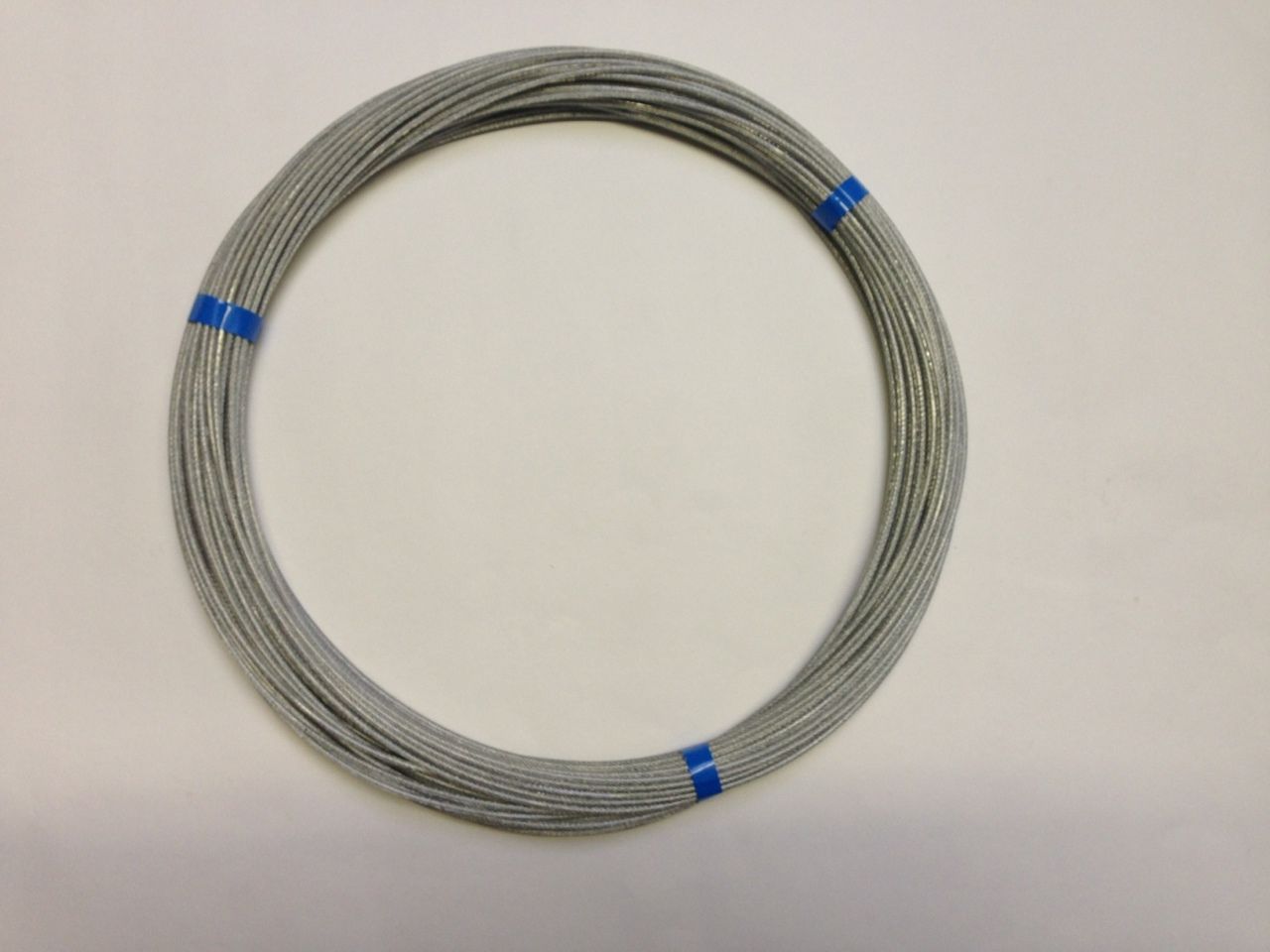
The cable is 55/0.1 mm extra flexible PVC coated
Counterpoises should be arranged as far as possible and away from metal objects. Bends and proximity to metal objects will detune them and it may not be possible to compensate by adjusting the whip.
Measurements for 30m were not attested due to my feeling that the ATX-1080 would be too inefficient on this band. Measurements for 80m were not made for the same reason, plus the fact that a resonant counterpoise would have had to be longer than the wire available at the time.
A tape measure counterpoise